8 Moisturizers People Guard With Their Lives

Some moisturizers get purchased once, reviewed politely, and never thought about again. The best moisturizers are different. Others develop the kind of following that borders on devotion. The eight creams and gels on this list fall squarely into the second category, they’re the ones people rebuy until the formula changes or the brand folds, whichever comes first.
If you buy through our links, we may earn a small commission at no cost to you. As an Amazon Associate, we earn from qualifying purchases. Our policy
How do you spot a true cult moisturizer? Look for the Reddit threads titled “they discontinued my HG and I’m spiraling.” Look for the Amazon reviews that read less like product feedback and more like love letters. Look for the dermatologists who quietly recommend them in clinical settings. These eight have all of the above, across price points and skin types.
A few ground rules: every product here has a documented repurchase pattern, meaning everyday people have bought it three, five, ten times over. No PR samples clouding judgment. No “I used it for a week and my skin was transformed.” Just moisturizers that have proven themselves over years, thousands of reviews, and a lot of harsh winters.
1. CeraVe Moisturizing Cream
CeraVe Moisturizing Cream is the moisturizer that launched a thousand Reddit routines. It contains three essential ceramides (1, 3, 6-II), hyaluronic acid, and MVE technology that meters out ingredients over time rather than dumping them all at once. Dermatologists have been recommending it since long before skincare TikTok existed, and it remains the single most recommended moisturizer on r/SkincareAddiction for good reason.
The texture is thick, legitimately thick, which means oily skin types may want to reserve it for nighttime or skip it altogether. But for anyone dealing with a irritated or damaged skin, eczema flares, or tretinoin dryness, this is the cream that keeps showing up in “what fixed my skin” posts. The 19-oz tub with the pump is the move. The jar version is identical but less hygienic.
At roughly $0.90 per ounce, it’s also absurdly affordable for what it delivers. The formula is fragrance-free, non-pore-clogging, and accepted by the National Eczema Association. There’s a reason the tub has over 100,000 Amazon reviews and still holds above four stars.
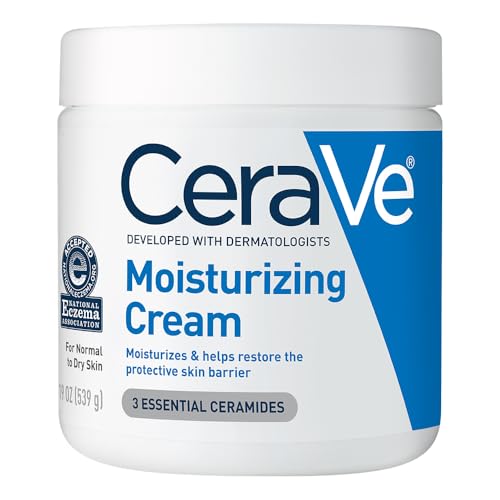
CeraVe Moisturizing Cream
The ceramide-and-hyaluronic-acid cream dermatologists have recommended for years, with MVE technology that releases hydration slowly over time.
2. La Roche-Posay Toleriane Double Repair Face Moisturizer
If CeraVe is the workhorse, Toleriane Double Repair is the workhorse that also went to finishing school. It pairs ceramide-3 with niacinamide and La Roche-Posay’s prebiotic thermal water, and the result is a moisturizer that strengthens the barrier while calming visible redness. The texture is lighter than CeraVe’s cream, more of a fluid lotion, which makes it far more versatile across skin types.
This is the one dermatologists reach for when patients say CeraVe feels too heavy but they still need ceramides. It absorbs in under a minute, layers well under SPF, and doesn’t pill. The 48-hour hydration claim from La Roche-Posay is marketing, obviously, but clinically it does test well for sustained moisture levels at the 24-hour mark.
Fragrance-free, oil-free, and tested on sensitive skin. The repurchase rate on this one is quietly enormous, it’s the top-selling facial moisturizer in French pharmacies for a reason, and the U.S. market has caught on. If you want a do-everything daily moisturizer and don’t care about luxury packaging, this is probably it.
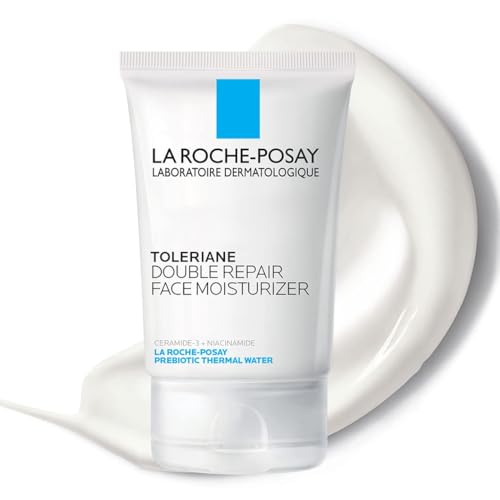
La Roche-Posay Toleriane Double Repair Face Moisturizer
Ceramide-3, niacinamide, and prebiotic thermal water strengthen the skin barrier while calming visible redness.
3. Tatcha The Dewy Skin Cream
Tatcha’s Dewy Skin Cream is the moisturizer people photograph. It’s also, genuinely, a very good formula. Japanese purple rice, Okinawa algae blend, and hyaluronic acid form the base, with squalane providing the slip and ceramides rounding out the barrier support. The finish is dewy in a way that reads as healthy rather than greasy, a distinction that matters.
The cult following here skews dry-to-normal skin. Oily types tend to find it too rich for daytime, though plenty use it as a night cream. Sephora reviews are littered with “on my fourth jar” comments, and it consistently lands on best-seller lists despite the $69 price tag. That price is the main criticism, and it’s a fair one, you’re paying for the brand, the jar, and the experience alongside the formula.
But the formula does hold up. It’s free of mineral oil, synthetic fragrances, sulfates, and parabens. The texture is dense but somehow still elegant, it melts into skin rather than sitting on top of it. If you want your moisturizer to feel like a ritual and you have the budget, this is the one that converts people.
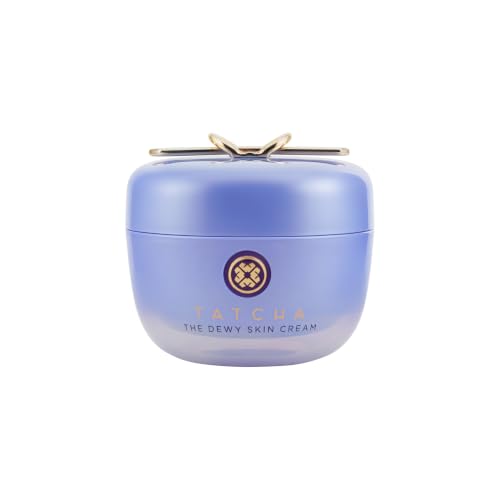
Tatcha The Dewy Skin Cream
A Japanese purple-rice and squalane cream with a dewy, lit-from-within finish. Certified cruelty-free (PETA).
4. First Aid Beauty Ultra Repair Cream
First Aid Beauty Ultra Repair Cream was built for skin that’s angry. Colloidal oatmeal, shea butter, and a proprietary blend of ceramides, eucalyptus, and licorice root extract make up the core formula. It’s thick, immediately soothing, and has a slight whipped texture that makes the application process more pleasant than you’d expect from something this heavy-duty.
The community that swears by this cream tends to have eczema, keratosis pilaris, or chronically dry skin that doesn’t respond to lighter formulas. It works on both face and body, which is part of its appeal, the 8-oz tub goes fast when you’re using it neck to ankles after a shower. The brand claims it improves skin hydration by 169% immediately after application, and while that specific number feels like it was chosen by marketing, the immediate relief is real.
Allergy-tested, fragrance-free, and safe for sensitive skin. It’s also one of the few mid-range creams that regularly goes on sale at Sephora and Ulta, which keeps the cost-per-ounce reasonable. Reddit’s eczema community considers it a staple alongside prescription treatments.
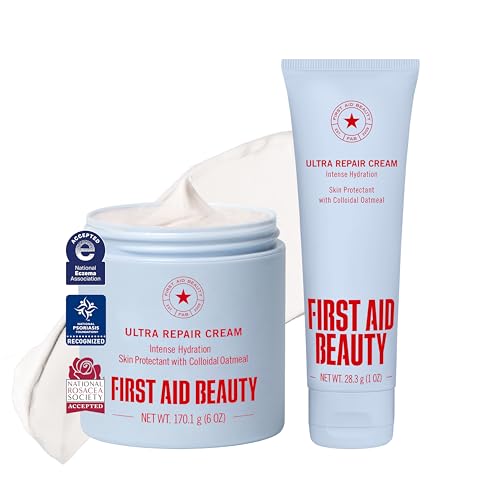
First Aid Beauty Ultra Repair Cream
A thick, whipped colloidal-oatmeal cream that immediately soothes angry, irritated skin. Certified cruelty-free (PETA).
5. Weleda Skin Food
Weleda Skin Food has been around since 1926. Nearly a century of continuous production tends to validate a formula. The ingredient list is straightforward, sunflower seed oil, lanolin, beeswax, rosemary, chamomile, calendula, and the texture is unapologetically heavy. This is not a moisturizer you apply before a full face of makeup unless you’re going for editorial-level dewy.
What it is: a rescue balm for skin that has been wrecked by cold weather, retinoids, or aggressive actives. Makeup artists use it to prep dry patches before shoots. Dermatology patients use it on flaking skin post-procedure. It smells herbal and earthy, which you’ll either love or tolerate. The point is that it works, fast, on skin that needs intensive repair.
It’s also remarkably cheap. The 2.5-oz tube runs under $15, and a little goes far, you need maybe a pea-sized amount for your entire face. The brand has expanded the line (Skin Food Light exists for those who want the benefits in a thinner format), but the original remains the one with the cult status. Victoria Beckham once named it her favorite moisturizer, which tells you something about its crossover appeal.
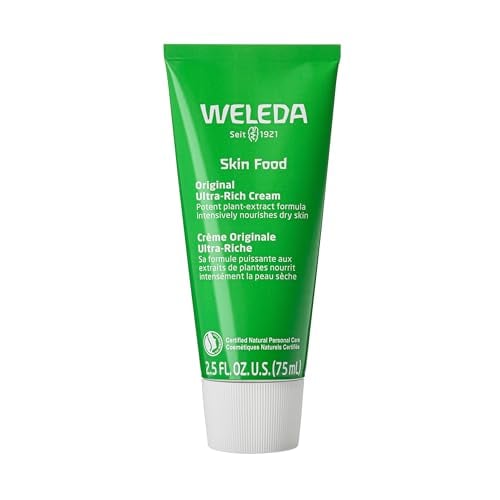
Weleda Skin Food
A cult classic since 1926 — a rich sunflower-oil and beeswax balm for very dry skin and rough patches.
6. Neutrogena Hydro Boost Water Gel
Neutrogena Hydro Boost is the moisturizer that proved drugstore brands could do hyaluronic acid well. The formula is a water-gel, genuinely lightweight, with a bouncy texture that absorbs almost immediately and leaves zero residue. For oily and combination skin types who find most moisturizers too heavy, this is frequently the product that ends the search.
The key ingredient is hyaluronic acid, which pulls water into the skin and holds it there. The gel matrix ensures it delivers hydration without adding oil. It layers beautifully under sunscreen and makeup, which is half the reason it has such a loyal following, people with oily skin are tired of their moisturizer causing midday breakdown. This one doesn’t.
A note: there are multiple versions. The “extra dry” formula is slightly richer. The fragrance-free version is the one most frequently recommended by dermatologists and the one you should default to unless you have a specific reason not to. At under $20 for 1.7 oz, the price-to-performance ratio is strong. Amazon reviews consistently mention repurchasing over multiple years.
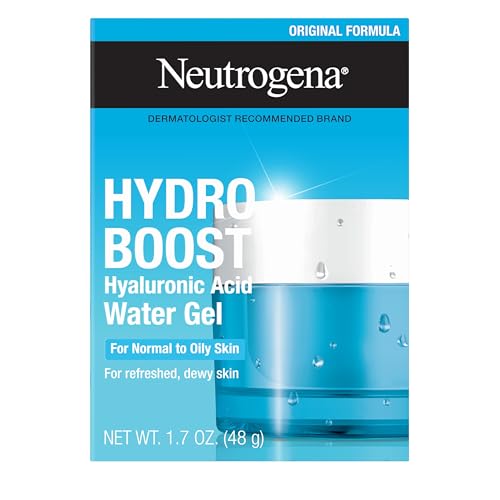
Neutrogena Hydro Boost Water Gel
The lightweight hyaluronic-acid water-gel that absorbs instantly with zero residue, ideal for oily and combination skin.
7. Belif The True Cream Moisturizing Bomb
Belif’s Moisturizing Bomb earned its dramatic name. The formula is built on comfrey leaf extract (also called napiers formula, a botanical the brand has used since its origins in a 19th-century Scottish apothecary), combined with lady’s mantle and oat kernel extracts. The texture is a dense, whipped cream that somehow manages to feel lightweight on application, a trick very few moisturizers pull off.
This cream hit Sephora’s best-seller list within months of its U.S. launch and hasn’t left. The brand claims 26 hours of hydration, which is ambitious, but the real-world consensus is that it holds moisture through an entire workday and overnight without feeling heavy. It sits in a useful middle ground: richer than a gel, lighter than a traditional cream.
The ingredient philosophy matters here: belif avoids mineral oil, synthetic preservatives, and animal-origin ingredients. The formula does contain fragrance (a light herbal scent), so anyone with fragrance sensitivity should patch test first. The repurchase loyalty on this one is intense, particularly among normal-to-dry skin types who want hydration without the weight of a barrier cream.
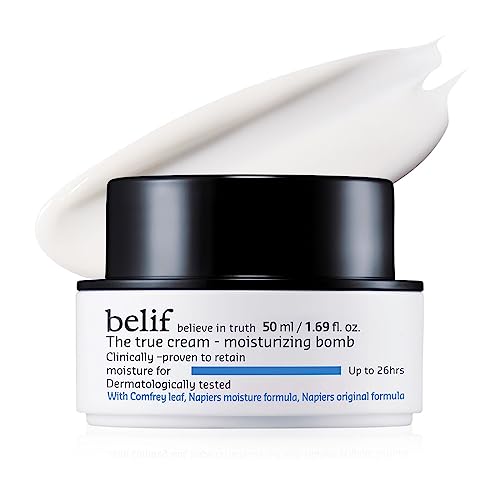
Belif The True Cream Moisturizing Bomb
A dense, whipped comfrey-and-oat cream that delivers serious hydration without feeling heavy.
8. Drunk Elephant Protini Polypeptide Cream
Protini is Drunk Elephant’s answer to the question: what if a moisturizer actually did something beyond moisturizing? The formula combines signal peptides, growth factors, amino acids, and pygmy waterlily stem cell extract, all designed to support the skin’s natural protein structure. In plain terms, it’s a moisturizer that also targets early signs of aging, fine lines, loss of firmness, dull texture.
The texture is a light, protein-rich cream that absorbs quickly and plays well with every active in your routine. This matters because Drunk Elephant’s whole philosophy is about mixing products without worrying about ingredient conflicts, and Protini is the anchor of that system. It works under makeup, doesn’t pill, and is lightweight enough for oily skin types to tolerate in warmer months.
The price, $68 for 50 mL, is the barrier to entry. But the Sephora review section tells the story: people who buy it tend to keep buying it. The “I’ve tried to find a dupe and can’t” comments are frequent. It’s free of essential oils, silicones, and fragrance, which makes it one of the cleaner options on the market for peptide-focused hydration. If anti-aging is part of your moisturizer criteria and you don’t mind the spend, Protini earns its place.
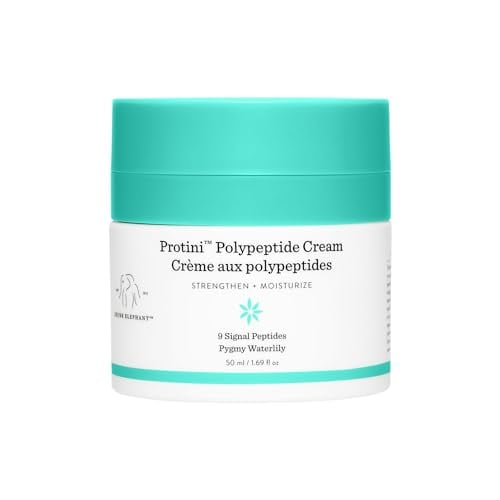
Drunk Elephant Protini Polypeptide Cream
A peptide, growth-factor, and amino-acid cream built to support skin’s protein structure, not just moisturize it. Certified cruelty-free (PETA).
The thing all eight of these have in common is that people keep rebuying them, which tells you more than any single review ever could. Your skin type and budget will narrow this list down pretty fast, but you really can’t go wrong with any of them.
If you need a starting point: CeraVe or La Roche-Posay for barrier repair on a budget. Neutrogena Hydro Boost if you’re oily. Tatcha or Drunk Elephant if you care about anti-aging and want the whole experience. Weleda or First Aid Beauty if your skin is actively freaking out. And Belif if you just want something nice without overthinking it.
For more in this category, see our full roundup of our cleanser guide.
A cruelty-free mark means the brand is certified by PETA, Leaping Bunny, or both at the time of writing. A missing mark doesn’t mean a brand tests on animals; it just means the brand isn’t certified by these programs.
What Our BEEs Are Buzzing About
Here’s what the beauty community is saying about these products:
Frequently Asked Questions
How do I know if my moisturizer is actually working?
Your skin should feel comfortable, not tight, not greasy, within 10 minutes of application. Over weeks, you should notice fewer dry patches, less flaking, and a more even texture. If your skin looks dull or feels tight by midday, your moisturizer isn’t doing enough. If you’re breaking out in areas you don’t normally, it may be too heavy.
Can I use a rich moisturizer if I have oily skin?
Yes, but timing matters. A heavier cream like CeraVe or Tatcha can work well at night for oily skin types, especially if you’re using retinol or other drying actives. During the day, stick with a gel or lightweight lotion, Neutrogena Hydro Boost is the standard recommendation here. Oily skin still needs hydration; it just doesn’t need occlusion at 8 a.m.
Should I apply moisturizer to damp or dry skin?
Damp skin, almost always. Hyaluronic acid-based formulas (Neutrogena Hydro Boost, Tatcha) benefit the most from this, HA needs available water to pull into the skin. Applying to damp skin also helps heavier creams spread more easily and absorb faster. Pat your face with a towel so it’s slightly moist, not dripping, then apply.
Do I need a separate eye cream if I’m using one of these?
Most dermatologists will tell you a good facial moisturizer applied to the eye area is sufficient for basic hydration. Dedicated eye creams make sense if you’re targeting specific concerns like puffiness (caffeine-based formulas) or dark circles (vitamin C or retinol at eye-safe concentrations). But for moisture alone, your regular cream will do the job.
How long should I try a moisturizer before deciding it doesn’t work?
Give it two to four weeks for hydration benefits and six to eight weeks for texture or anti-aging improvements. If you experience burning, stinging, or breakouts within the first few days, stop using it, that’s a reactivity issue, not an adjustment period. Mild initial breakouts from a new moisturizer are less common than people think; more often, the product just isn’t right for your skin.
Want to become a Beauty Empties Expert?
BEEs get free products to test, exclusive discount codes from our brand partners, and live access to The Hive sessions with dermatologists and beauty editors. Spots are limited and hand-picked.