How to Layer Your Skincare, Morning and Night
Most of us have been there. You’ve built up a routine of six, seven, sometimes nine products, and every morning you stand in front of the mirror trying to remember what goes on first. (Was it serum then oil, or oil then serum? Does the SPF go before or after the moisturizer? And what actually happens if you get it wrong?)
If you buy through our links, we may earn a small commission at no cost to you. As an Amazon Associate, we earn from qualifying purchases. Our policy
Skincare layering follows a real logic. Once you know the rules, the products you’ve already paid for actually do their job.
The Rule That Governs Almost Everything
Two principles cover most of the layering questions you’ll ever have.
Thinnest to thickest. Lighter formulas absorb fastest, so they go first. A watery essence soaks in within seconds. A whipped cream sits on top. If you flip the order, the lighter product is trying to push through a heavier one and mostly just slides around on the surface.
Water before oil. This one is basic chemistry. Oil creates a film. Water-based products applied on top of oil have nothing to bind to and either bead up or roll off. That’s why a hydrating serum goes before a face oil, and why facial oils belong near the end of a routine, not the middle.
If you remember nothing else from this article, those two rules will get you to the right answer about 90% of the time.
The Buzz
Multi-step layered skincare went mainstream in the U.S. in the mid-2010s, when Korean beauty (specifically the 10-step routine popularized by founders like Charlotte Cho at Soko Glam) reached American beauty press. The thinnest-to-thickest order was already a working principle in dermatology long before that. K-beauty’s contribution was treating multiple thin layers of hydration as a feature, not a fussy extra.
Why the Order Actually Matters
The outer layer of skin is designed to keep things out, not let them in. The stratum corneum (the very top layer) is built from dead skin cells held together by fatty molecules called lipids, structured roughly like bricks and mortar. Most ingredients have a hard time getting through it.
The order you layer in changes how much of any given ingredient actually reaches the skin underneath.
A vitamin C serum applied right after cleansing has the best shot at absorbing because it’s hitting clean, slightly damp skin with no barrier on top of it. The same serum applied after a moisturizer has to cut through cream first, and you’re losing a chunk of what you paid for.
The same logic applies to retinol, peptides, and exfoliating acids. The closer to the skin they go, the more they actually do.
The exception is sunscreen, which works on top of skin, not in it. SPF is always the final step in the morning for that exact reason.
The Morning Routine, Step by Step
A good AM routine protects skin from what’s about to happen during the day: UV, pollution, blue light from screens, free radicals from city air. The point of the morning routine is preservation, not heavy treatment.
1. Cleanse, or skip the cleanse. If your skin is on the drier side, a water-only rinse in the morning is plenty. If you wear heavier night creams or live somewhere humid, a gentle gel or cream cleanser keeps things balanced. Drying foaming washes in the morning are a setup for the rest of the routine to spend its energy repairing what the cleanser just did.
2. Toner or essence (optional). This step is mostly K-beauty influence and isn’t strictly necessary. If you use one, it goes right after cleansing while skin is still slightly damp. Look for hydrating ingredients (hyaluronic acid, glycerin, panthenol), not the older astringent toners that strip oil.
3. Antioxidant serum. Morning is when antioxidants do their actual job. Vitamin C (specifically L-ascorbic acid at 10-20%) helps shut down the damage from sun and pollution before it builds up on skin. Apply on slightly damp skin, then wait 60-90 seconds before the next step so the low pH stabilizes and you avoid pilling.
4. Hydrating serum. Hyaluronic acid serums, niacinamide, peptides, and B5 all live here. These are lighter than your moisturizer and need to sit closer to the skin. If you’re using more than one serum in this step, layer thinnest to thickest within it too.
5. Eye cream. Optional, but if you use one, it goes before moisturizer because eye creams tend to be thinner. Pat with a ring finger (lightest touch) along the orbital bone.
6. Moisturizer. This is the lock. The cream on top of your serums is what keeps everything below from evaporating off your face within 20 minutes. In summer, a light gel-cream is enough. In winter (or for skin on the drier side), something richer.
7. SPF. Mineral or chemical, your call, but minimum SPF 30 broad-spectrum, every single morning, applied generously. Two finger lengths’ worth, which is more than most of us actually use. SPF is the single most well-studied step in skincare for protecting your face long term. If you skip every other step on this list and just wear sunscreen, you’re still doing the bulk of the work.
Wait two or three minutes for the SPF to set before makeup. Otherwise the foundation pulls it around and you end up with patchy coverage.
The Night Routine, Step by Step
Night is when skin actually repairs itself. Skin replaces dead cells faster, the outer layer rebuilds, and active ingredients like retinoids (vitamin A treatments) and exfoliating acids have eight hours to work without UV getting in the way. The PM routine is built around treatment, not protection.
1. First cleanse. An oil or balm cleanser breaks down makeup, sunscreen, and the natural oils that build up on skin during the day. Rub it into dry skin first, emulsify with a splash of water, then rinse. Skipping this step is why people who only “wash their face” still end up with congested skin. Four oil cleansers below cover most preferences and price points.
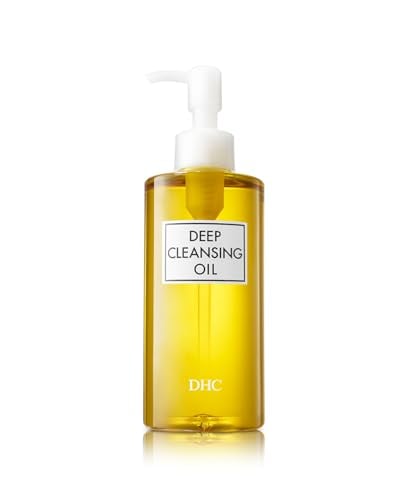
DHC Deep Cleansing Oil
The original cult oil cleanser from Japan, with an olive oil base that melts SPF and waterproof makeup in under 30 seconds and rinses clean with no greasy film. The 6.7 oz bottle lasts most people three to four months of nightly use.
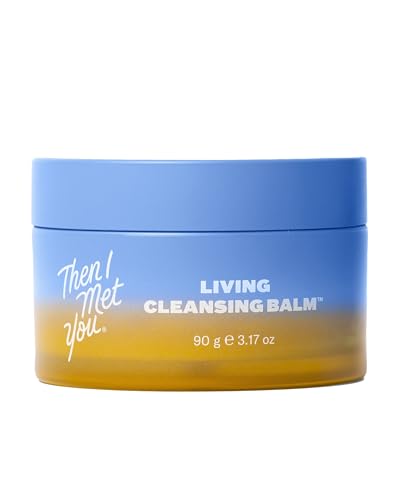
Then I Met You Living Cleansing Balm
Founder Charlotte Cho built this balm around persimmon extract and olive oil for a sherbet texture that warms into a silky oil on skin. A good pick if traditional balm cleansers feel too thick. Acne-prone reviewers report it doesn’t break them out, which isn’t always true of richer balms.
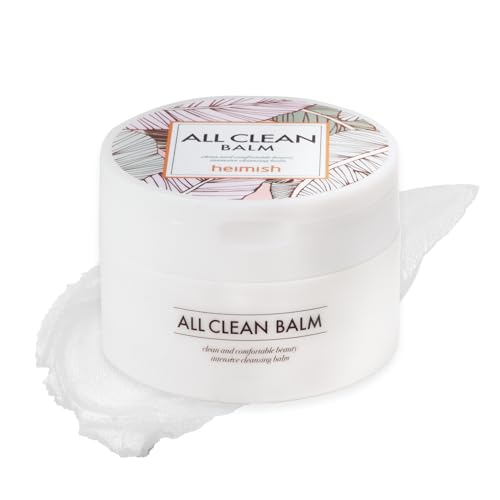
Heimish All Clean Balm
The K-beauty cleansing balm that started showing up in everyone’s empties drawer around 2020 and never left. Sherbet texture, gentle floral scent, and one of the more affordable Korean balm cleansers in this category. Reaches for it as the first step before a water-based cleanser.
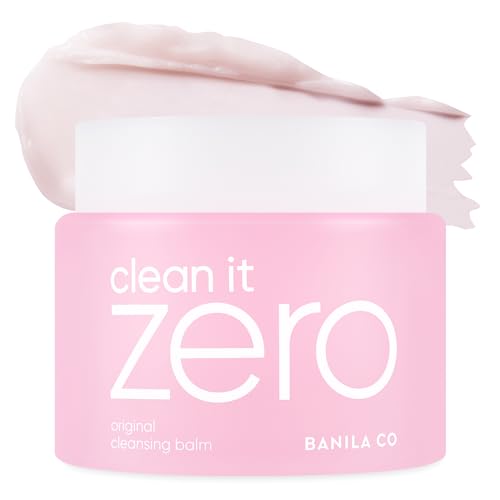
Banila Co. Clean It Zero (Original)
The Korean cleansing balm that went viral on Reddit and TikTok and basically introduced North America to balm-cleansing. Acerola berry and vitamin C in the formula give it a slight brightening pull on top of the standard makeup-removing job. The big size is the best value if you cleanse twice a day.
2. Second cleanse. A water-based cleanser (gel, cream, or a gentle foam that doesn’t strip skin) actually cleans the skin underneath. Together, the two-step method removes everything without stripping. If you don’t wear makeup or SPF that day, one cleanse is fine.
3. Toner or essence (optional). Same as morning. If you use one, it goes here.
4. Treatment. This is where retinol, retinaldehyde (a stronger over-the-counter retinoid), prescription tretinoin, AHA/BHA exfoliants (glycolic, lactic, salicylic), or peptide serums go. Pick ONE active per night, not three. Retinoids on Monday and Wednesday, exfoliating acids on Tuesday and Thursday, hydration-only on Friday. Doubling up on actives is the fastest way to end up with a face that’s red, tight, and peeling for two weeks.
5. Hydrating serum. A peptide or hyaluronic acid layer here cushions the actives. Skip if you used a treatment serum in the previous step.
6. Eye cream. Same as morning. Pat lightly.
7. Night cream or moisturizer. Heavier than your AM moisturizer. The job is to keep moisture from evaporating overnight, when your skin loses water fastest.
8. Face oil or sleeping mask (optional). A few drops of squalane, rosehip, or marula oil seal the routine. Sleeping masks and overnight gels do roughly the same thing in a slightly different format.
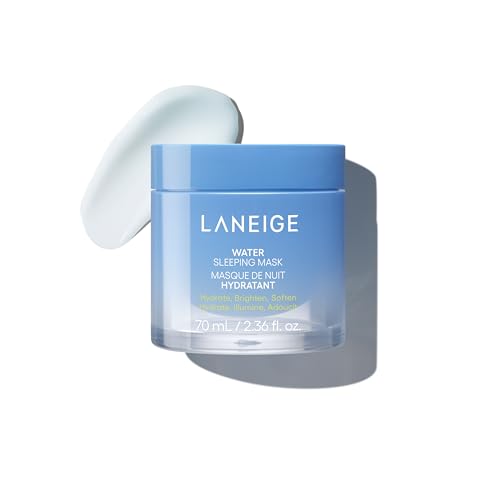
Laneige Water Sleeping Mask
The cult overnight gel that’s been in steady rotation in beauty editor lineups for years. Sleep with it on top of your moisturizer and skin actually looks plumper in the morning. The hyaluronic acid blend keeps moisture in even when the heat is dry overnight.
9. Slugging (optional, weekly or as needed). A pea-sized amount of plain Vaseline or Aquaphor over the entire routine on a dry-skin night locks moisture in completely. Originally a K-beauty technique, slugging (slathering Vaseline as the final step of a nighttime routine) blew up on TikTok in 2021 and has stayed in regular rotation since. Skip it on retinol nights and on acne-prone skin.
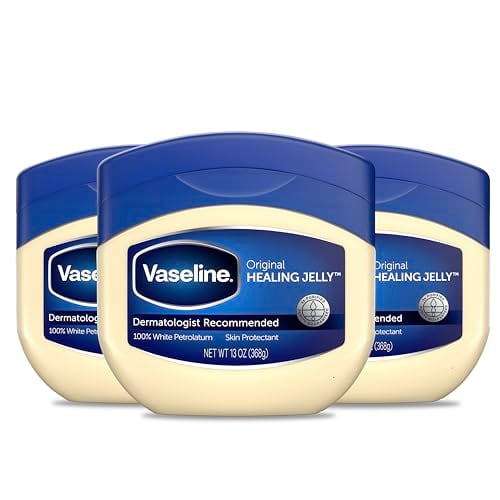
Vaseline Original Petroleum Jelly
The cheapest, most-studied occlusive in the world. A pea-sized amount over your full nighttime routine seals everything in. The 13 oz tub will outlast every other product in your bathroom, and works just as well on dry hands and lips when you want a single jar that does a lot.
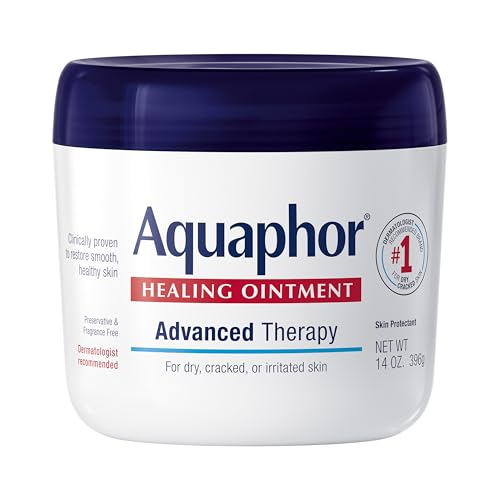
Aquaphor Healing Ointment
Slightly less heavy than straight Vaseline because it includes lanolin and panthenol, which makes it the slugging pick if pure petroleum feels too thick. The 14 oz jar is what dermatologists hand to patients with eczema and post-procedure skin. Same product family as Aquaphor Baby.
How Long to Wait Between Steps
Most steps don’t need wait time. Apply, move on, the layers blend.
The exceptions:
- After vitamin C (L-ascorbic): wait 60-90 seconds so the acidic pH stabilizes and you avoid pilling with whatever goes on next.
- After exfoliating acids: wait at least 5 minutes before retinol, peptides, or anything else sensitive to pH shifts.
- Before SPF: wait 1-2 minutes after moisturizer so the cream sets and the SPF doesn’t slide.
- Before makeup: wait 2-3 minutes after SPF so foundation has something to grip.
If you find yourself standing in the bathroom checking your phone while waiting, you’re doing it right.
What Pairs Together (and What Doesn’t)
A few rules to keep your skin from rebelling:
- Vitamin C in the morning, retinol at night. They don’t actually cancel each other out (that’s an old internet myth), but they work better separately. Vitamin C wants a low pH to stay stable, retinol works at a slightly higher one.
- Don’t combine retinol and exfoliating acids on the same night. Both increase cell turnover. Together, they irritate.
- Niacinamide pairs with everything. Including vitamin C. The “they cancel each other out” rumor came from a 1960s study using a different form of niacin at impossible concentrations, and it’s been debunked since at least 2010.
- Hyaluronic acid pairs with everything, always. Apply on damp skin so it has water molecules to bind to. Otherwise it can pull moisture out of skin instead of into it.
- Don’t introduce more than one new active at a time. If your skin reacts, you won’t know which one caused it.
Where Most People Go Wrong
Five mistakes that throw a routine off:
Putting oil before serum. The most common reversal. Once oil is on the skin, anything water-based after it just sits on top and rolls off.
Underapplying SPF. Two finger lengths of sunscreen is the dermatologist-recommended amount for the face and neck, every morning. Most of us use less than half. SPF that’s underapplied is functionally not protecting at the SPF rating on the bottle.
Doubling up on actives every single night. Retinol every night plus AHA twice a week plus a vitamin C every morning is too much for almost anyone. If your skin is red, tight, or stinging when products go on, that’s the cue to back off.
Toner on dry skin. Toner is meant for damp skin. If you’ve already towel-dried completely, you’ve lost the absorption window and you’re working harder for less benefit.
Skipping moisturizer because you have oily skin. Oily skin is often dehydrated skin overcompensating with extra oil. Moisturizing actually balances it out. Look for gel-cream textures and humectants over heavy creams, not no moisturizer at all.
A cruelty-free mark means the brand is certified by PETA, Leaping Bunny, or both at the time of writing. A missing mark doesn’t mean a brand tests on animals; it just means the brand isn’t certified by these programs.
What Our BEEs Are Buzzing About
Here’s the beauty community walking through real AM and PM layering routines, double cleansing, slugging, and the small moves that actually change how your products perform:
Want to become a Beauty Empties Expert?
BEEs get free products to test, exclusive discount codes from our brand partners, and live access to The Hive sessions with dermatologists and beauty editors. Spots are limited and hand-picked.