
10 Vintage Beauty Secrets From Grandma That Actually Work
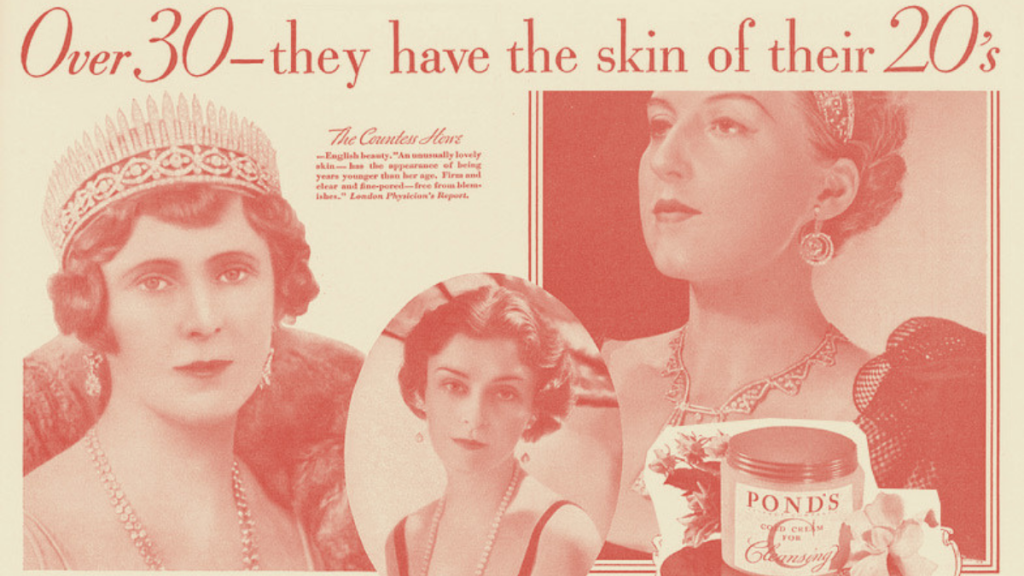
Before TikTok tutorials, 12-step skincare routines, and serums that cost more than your electric bill, there was grandma and her vintage beauty secrets. She had flawless skin, glossy hair, and hands that never looked their age — and she did it all with a jar of cold cream, a bottle of apple cider vinegar, and a routine she never deviated from.
If you buy through our links, we may earn a small commission at no cost to you. As an Amazon Associate, we earn from qualifying purchases. Our policy
Here at Beauty Empties, we don’t just cover what’s new — we cover what actually gets used up, repurchased, and trusted over time. And nothing passes that test quite like a beauty habit that’s been in a family for three generations. We dug into Reddit’s most-loved r/beauty and r/skincareaddiction threads, beauty experts’ interviews, and the long history of dermatology research to find the grandma-era habits that are genuinely worth resurrecting.
The verdict? She was onto something. Here are 10 vintage beauty routines from grandma that absolutely hold up — and the modern products that let you do them even better.
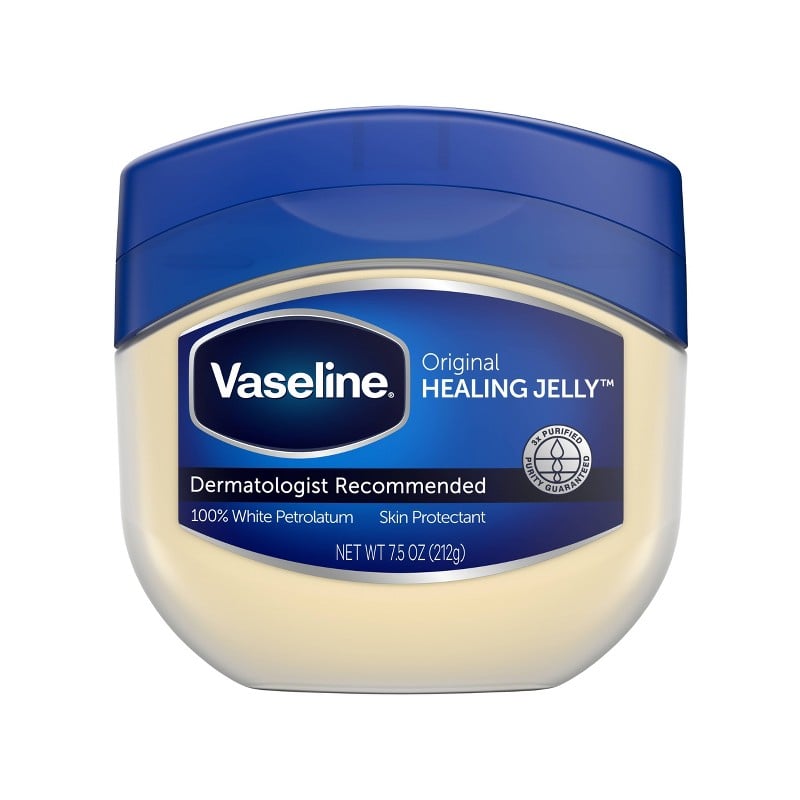
1. Slathering on Vaseline (a.k.a. “Slugging” Before It Had a Name)
The Secret
Apply a thin layer of pure petroleum jelly (Vaseline) over your face as the last step in your nighttime routine to lock in moisture overnight.
Does It Hold Up?
100% — dermatologists still recommend it
If you’ve been on skincare TikTok in the last few years, you’ve seen “slugging” everywhere. Plot twist: grandma invented it. Reddit’s r/beauty is full of comments like this one: “My grandma used Vaseline for her lashes, for her makeup, and skincare… I’ve been doing this since I was younger and I usually don’t use mascara. All thanks to my grandma!” This isn’t nostalgia talking — petroleum jelly is a legitimate occlusive ingredient that forms a physical barrier on the skin, trapping in every drop of moisture from the products underneath it.
The science is solid. As an occlusive, petrolatum (the active ingredient in Vaseline) has one of the highest moisture-retention rates of any skincare ingredient. Board-certified dermatologists consistently list it as one of the most effective — and most underrated — skincare ingredients available. Apply it over a moisturizer on cleansed skin and it seals everything in while you sleep. Wake up to skin that genuinely looks plumper and more hydrated. It’s also non-comedogenic, meaning it won’t clog pores despite looking like it absolutely should.
The lash trick grandma taught deserves its own moment too: a tiny dab of Vaseline on clean lashes conditions, volumizes, and helps them grow in fuller over time. No mascara required if you want a natural look. This is the kind of product that belongs on our list of drugstore beauty products people repurchase on repeat — and for good reason. A tub costs about $3 and lasts forever.
How to do it: Wash your face, apply your full routine (serum, moisturizer), then press a thin layer of Vaseline over the top. Think “sheen,” not “layer.” Do this 2–3 nights a week to start.
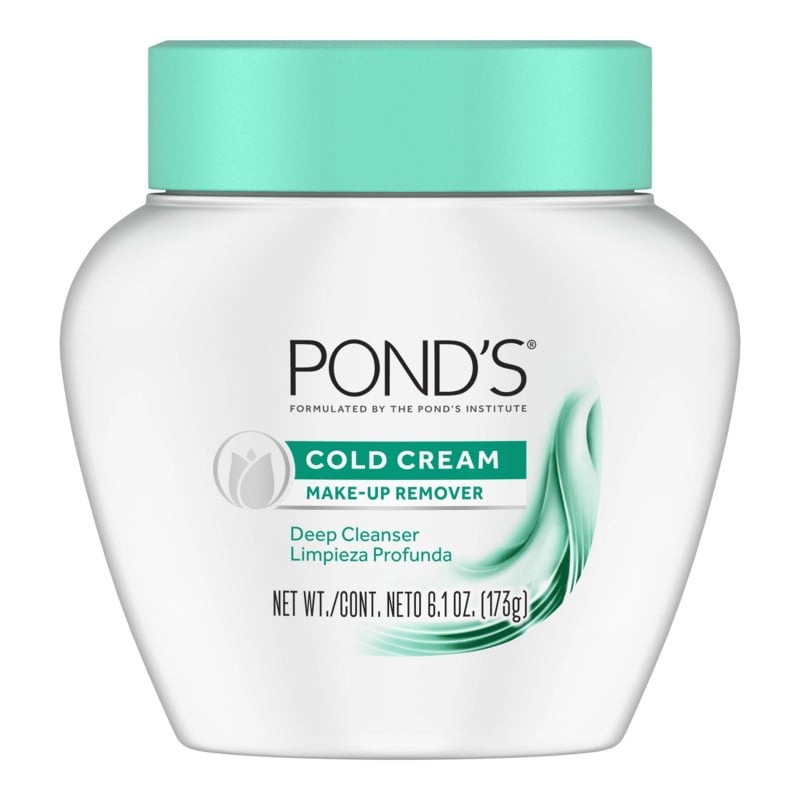
2. The Pond’s Cold Cream Double Cleanse
The Secret
Massage cold cream onto dry skin to dissolve makeup and impurities, then wipe away with a warm, damp cloth. No water needed for step one.
Does It Hold Up?
Yes — this is literally the OG oil cleanse
Ask anyone on Reddit what grandma’s skincare secret was, and a huge percentage of comments will say the same thing: Pond’s Cold Cream. User after user describes grandmothers with essentially zero wrinkles who used nothing else. “Pond’s Cold Cream is the only thing my grandmother ever used,” one user wrote, “and I’ve started using it myself. My skin has never been so hydrated.” Another added: “My grandma lived until 89 and had very few wrinkles” — crediting Pond’s as her only product.
Fun fact: My grandma Dorothy (who lived to be 102) and used Pond’s for as long as I could remember. Her skin was soft and beautiful! She also used to pierce Vitamin E gel capsules and rub them on her face!
The method predates the modern double cleanse by several decades. Cold cream works on the same principle as an oil cleanser: like dissolves like. Massaging it onto dry skin breaks down SPF, longwear foundation, eye makeup, and the general grime of the day without any of the stripping that comes with a foaming cleanser. You massage it in, wipe it off with a warm cloth, and your skin is clean without feeling tight or squeaky. For those of us who find our cleanser routine too harsh, this is a genuinely good first step.
The modern equivalent is the cleansing balm — same concept, reformulated with modern ingredients. But if you want the original? The $7 jar of Pond’s still does the job beautifully. It’s one of those products that never had to change because it was already right.
How to do it: Massage a generous scoop of cold cream onto dry skin for 60 seconds, focusing on areas with heavy makeup. Remove with a warm, damp flannel. Follow with a gentle water-based cleanser if desired.
3. The Apple Cider Vinegar Hair Rinse

The Secret
Rinse hair with a diluted mix of apple cider vinegar and water once a week to restore shine, balance scalp pH, and reduce buildup.
Does It Hold Up?
Mostly yes — with caveats
If grandma came home smelling faintly of vinegar on wash day, now you know why. The apple cider vinegar hair rinse is one of the most widely shared old-school beauty habits online, and for once, the hype is backed by actual hair science. Hair and scalp sit at a naturally slightly acidic pH (between 4.5 and 5.5). Most shampoos are alkaline, which can leave hair feeling rough, dull, or frizzy after washing. Apple cider vinegar, being acidic, helps restore that balance — smoothing the hair cuticle and restoring shine in the process.
As one beauty expert explained, her grandmother’s weekly vinegar rinse was what made hair feel “silky soft” during an era when conditioning technology wasn’t exactly advanced. ACV’s antimicrobial properties can also help with scalp conditions like dandruff and mild irritation. It’s not a replacement for a proper shampoo and conditioner routine, but as a weekly boost between washes, it’s genuinely effective.
The caveat: Never apply undiluted ACV to your scalp. Always dilute it — the standard ratio is 1 tablespoon ACV to 1 cup of water — and use it no more than once a week. If you have color-treated hair, check with your stylist first.
How to do it: After shampooing, pour or spray the diluted ACV rinse over hair, massage into scalp, and let sit for 3 minutes. Rinse thoroughly with cool water. Your hair won’t smell like vinegar once it’s dried.
4. The Overnight Glove Treatment for Hands
The Secret
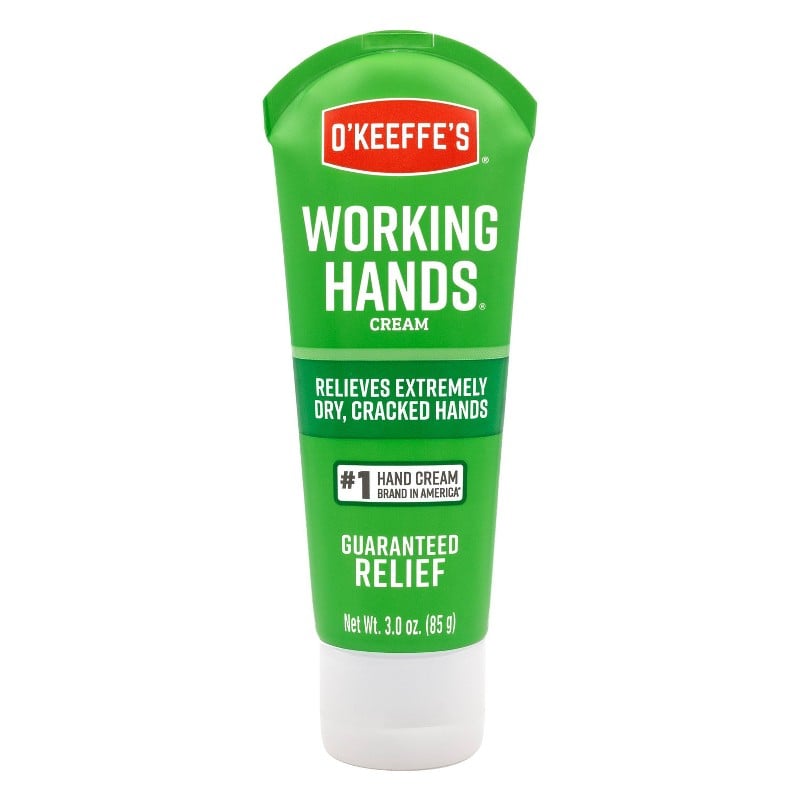
Slather your hands with a rich cream or petroleum jelly before bed, then sleep with cotton gloves on. Wake up to baby-soft skin.
Does It Hold Up?
Absolutely — this is genuinely the best thing you can do for your hands
Grandma knew what too many of us forget: your hands are one of the first places to show your age, and also one of the most neglected. While we obsessively layer products on our faces, our hands get hot water, cleaning products, hand sanitizer, and sun exposure all day — and then nothing at night. The overnight glove treatment is one of those habits that sounds fussy until you try it once and wake up to the softest hands of your life.
Applying a thick cream or petroleum jelly under cotton gloves overnight creates a warm, occlusive environment that drives moisture deep into the skin while you sleep. One French beauty writer noted that her grandmother’s rule was to put the leftover face cream on the back of her hands every single night — treating them as an extension of her skincare routine rather than an afterthought. You can use the leftover dregs of your favorite body lotion or just plain Vaseline.
How to do it: Before bed, wash your hands, apply a generous layer of rich hand cream or Vaseline, slide on clean cotton gloves, and sleep. Do this 2–3 nights a week for noticeably softer, smoother hands within a week.
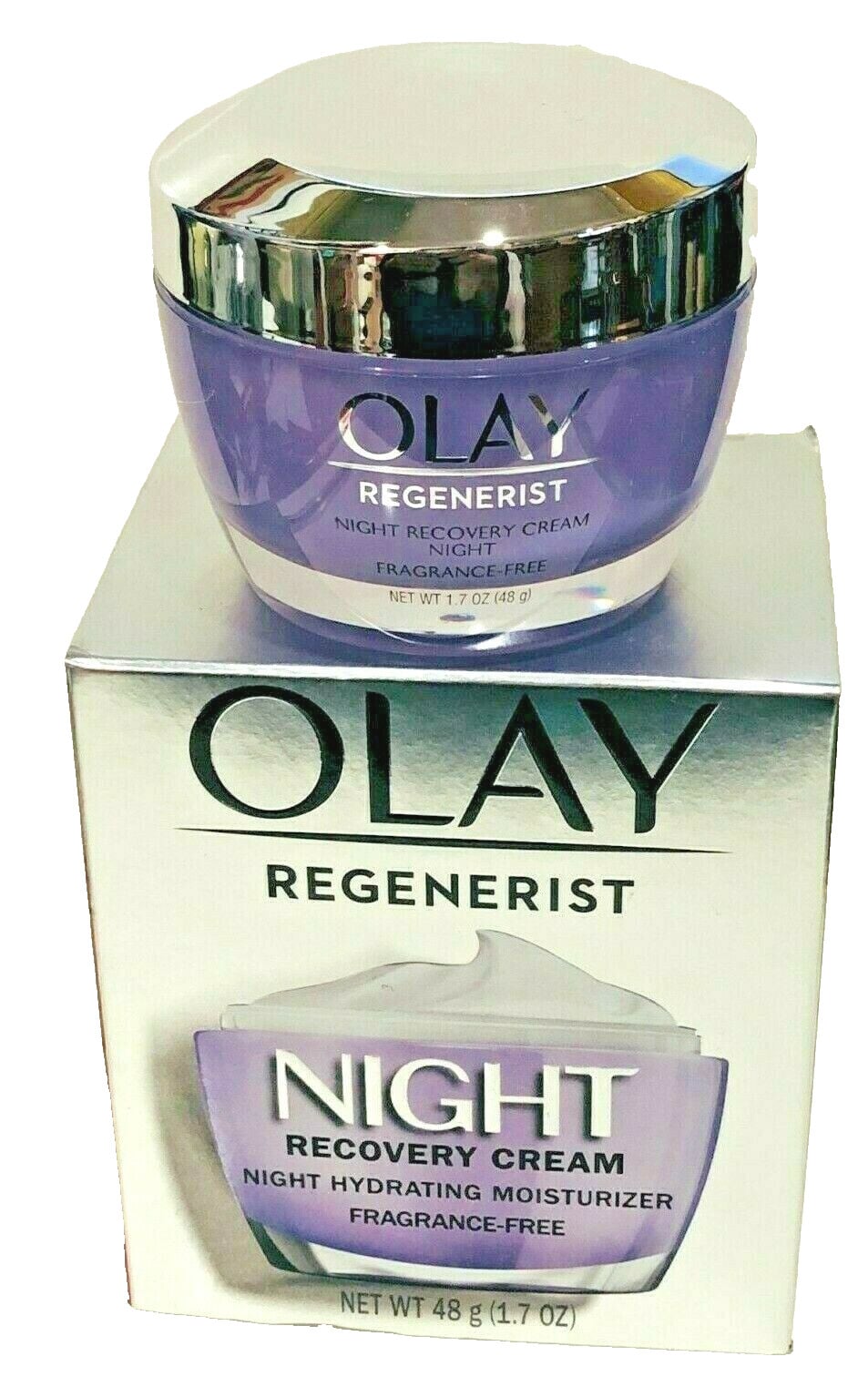
5. Committing to One Good Moisturizer (and Actually Using It Every Single Day)
The Secret
Pick one moisturizer you trust — grandma’s was usually Olay — and use it morning and night without fail for years.
Does It Hold Up?
This is the #1 underrated skincare habit. Period.
In Reddit’s r/beauty thread on grandma beauty secrets, Oil of Olay (now just Olay) came up time and again. “I worked for Chanel and Clinique for over 20 years… I’m 55. What’s my secret? Oil of Olay products! My mom still uses them at 80 and she’s still a total fox!” wrote one commenter. Another: “My grandma has beautiful skin and she has been using Oil of Olay her entire life.” The pattern is striking — it’s not the specific product that’s magic. It’s the daily, uninterrupted consistency over decades.
Modern dermatology supports this completely. The single biggest predictor of good skin isn’t the most advanced serum — it’s a moisturizer applied every morning and night without fail. Our piece on why skincare routines stop working after 50 explains exactly this: consistency slipping is usually the culprit, not the products themselves. A $15 Olay used every day for 30 years will outperform a $300 moisturizer used sporadically every time. Our roundup of moisturizers people actually repurchase is a good place to start if you haven’t found your one yet.
How to do it: Apply a pea-sized to nickel-sized amount of your chosen moisturizer morning and night, after cleansing. That’s it. Don’t skip it. Ever.
6. Sunday Face Steaming

The Secret
Once a week, lean over a bowl of hot water with a towel over your head for 5–10 minutes to improve circulation and deeply prep skin for a mask or moisturizer.
Does It Hold Up?
Yes — as a prep step, not a standalone treatment
Multiple beauty experts have credited their mothers or grandmothers with a weekly face-steaming ritual that the whole family would join in on. “Every Sunday my mom would steam her face and apply a hydrating mask,” recalled one esthetician. “It became a fun beauty ritual for my sisters and I to join in on and a great way to keep our skin healthy and glowing.” There’s something about the ritual aspect of it — the Sunday reset, the deliberate act of caring for yourself — that modern skincare has largely lost.
Steaming softens the outermost layer of the skin, making it more receptive to anything you apply afterward. The heat also temporarily increases circulation, giving skin that post-steam flush and glow. It won’t “open pores” permanently, but it absolutely makes the products you use directly after it work harder. Follow your steam with one of the face masks that are actually worth your time and you’ll feel the difference immediately.
The caveat: Don’t steam for more than 10 minutes and keep your face at least 12 inches from the water. If you have rosacea or sensitive, reactive skin, skip it entirely — heat can aggravate both.
How to do it: Boil a pot of water, let it cool for 2 minutes, place it on a table, drape a towel over your head and lean over the bowl for 5–10 minutes. (Alternatively you can buy a steamer. I have the one pictured above). Add dried chamomile, lavender, or rosemary for extra benefits.
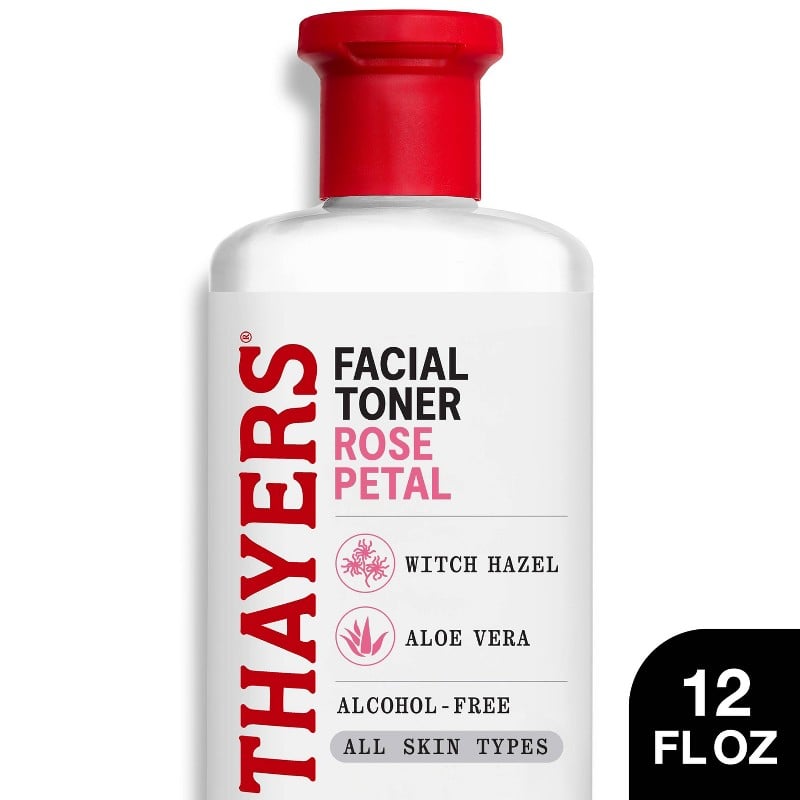
7. Witch Hazel as a Daily Toner
The Secret
Swipe witch hazel across cleansed skin with a cotton pad to balance pH, minimize pores, and control oil without stripping.
Does It Hold Up?
Yes — especially for oily and combination skin
Long before Pixi Glow Tonic and Paula’s Choice BHA became cult favorites, grandma was swiping witch hazel. This plant-derived astringent has been used in American medicine and beauty since the 1800s, extracted from the bark of the Hamamelis virginiana plant. It was sold in pharmacies as a general-purpose skin tonic — good for blemishes, razor burn, inflammation, and oily skin — and many grandmothers kept a bottle in the medicine cabinet alongside their cold cream.
The active compounds in witch hazel (tannins) are genuinely effective at tightening skin, reducing redness, and controlling excess oil production. Redditors on r/skincareaddiction frequently recommend alcohol-free witch hazel as a starter toner for people who feel overwhelmed by the modern toner market. Thayers Witch Hazel, which has been around since 1847, is arguably the most consistently loved toner across all of our research and features in our own roundup of toners people actually repurchase. About $10 and it lasts months.
Important: Choose alcohol-free witch hazel. Old-school formulations were often loaded with isopropyl alcohol, which is drying and irritating. Modern formulations like Thayers have the active benefits without the stripping. If you have dry or sensitive skin, use it a few times a week rather than daily.
How to do it: After cleansing, pour a small amount onto a cotton pad and swipe across your face. Let it dry completely before applying moisturizer.
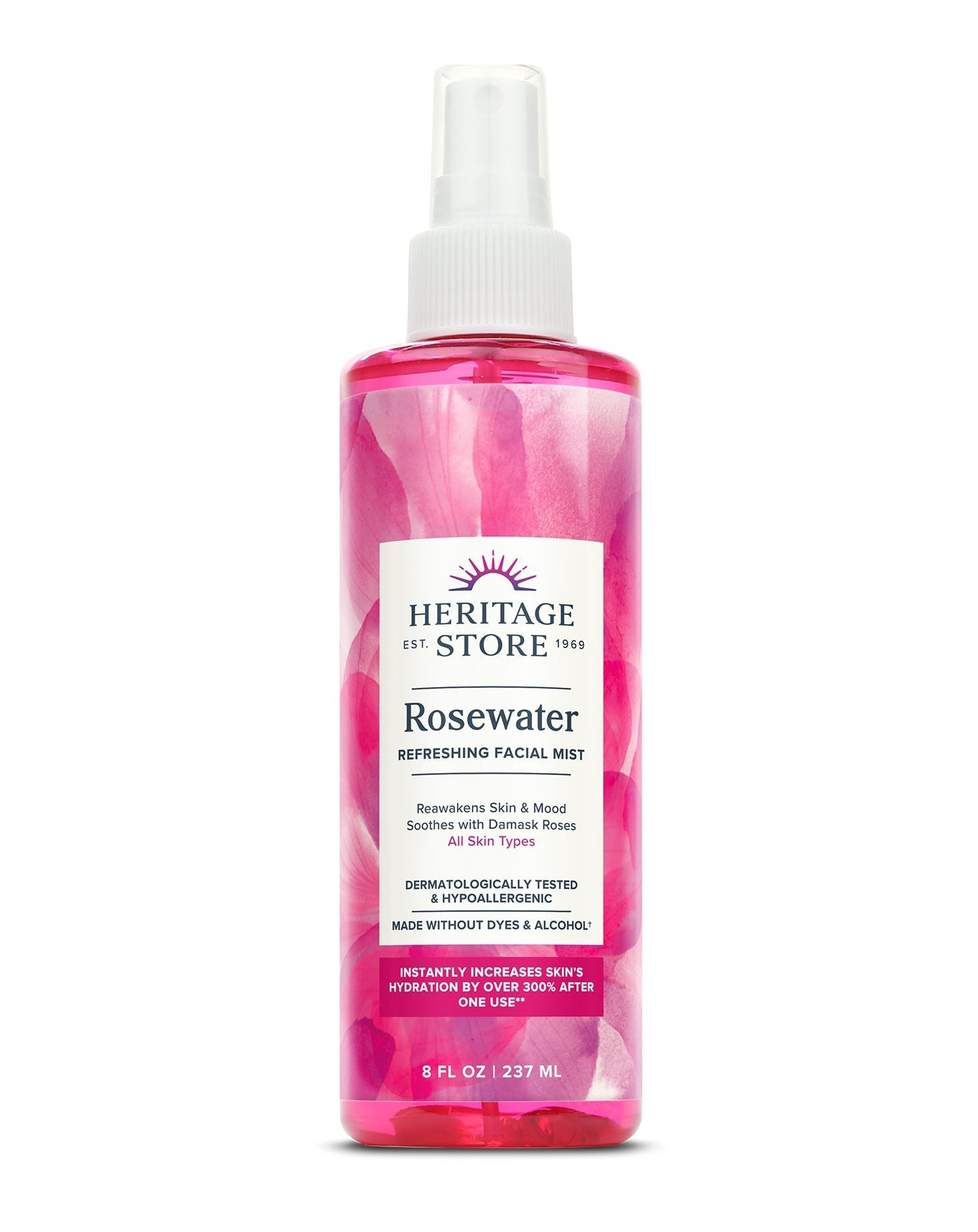
8. Rose Water as a Daily Mist and Toner
The Secret
Spray or pat pure rose water onto cleansed skin to soothe, tone, and add a dewy, faintly floral finish before moisturizer.
Does It Hold Up?
Yes — one of the most gentle, effective toning ingredients in existence
Reddit’s beauty community gets notably enthusiastic about rose water. “Rose is such a dream herb for beauty products. Rose water is lovely too as a toner,” wrote one commenter in the grandma beauty secrets thread. The use of rose water in beauty dates back thousands of years across Persian, Indian, and French traditions — Middle Eastern grandmothers have been misting their faces with it for centuries, and French grandmothers used it as the gentlest possible toner before their morning moisturizer.
Rose water is distilled from the petals of the Rosa damascena plant and contains genuine anti-inflammatory, antioxidant, and antibacterial properties. It’s also one of the most well-tolerated beauty ingredients across all skin types, including sensitive skin — making it a brilliant option for anyone who finds modern toners and essences too aggressive. Look for 100% pure rose water with no added fragrance or alcohol.
How to do it: Spritz directly onto face after cleansing and let it absorb for 30 seconds, or apply with a cotton pad. Apply your moisturizer while your face is still slightly damp to seal in that extra hydration. You can also mist over makeup throughout the day as a refreshing top layer.
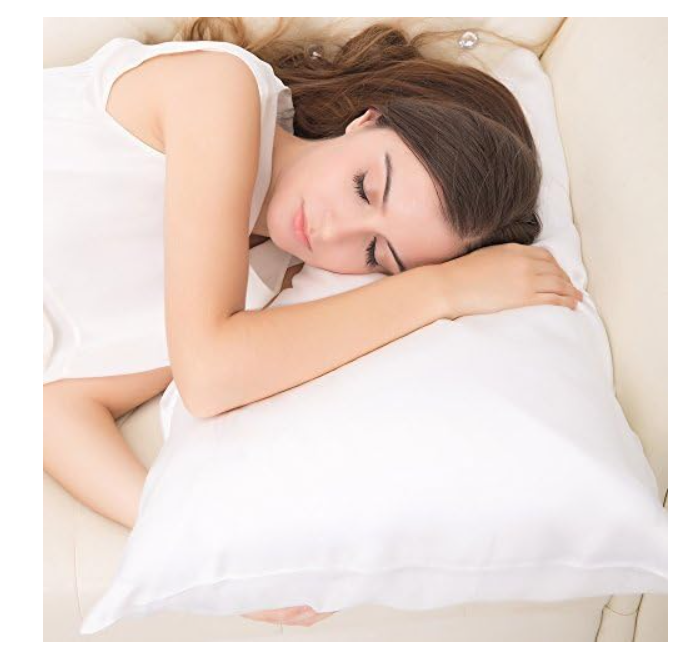
9. Sleeping on Your Back (or on Silk)
The Secret
Train yourself to sleep on your back, or invest in a silk or satin pillowcase, to prevent compression wrinkles and hair breakage overnight.
Does It Hold Up?
Yes — sleep lines are real and dermatologists confirm it
This is the one grandma tip that beauty experts consistently say they still pass along to their own patients. One Boston-based dermatologist explained: “My mom is an advocate for sleeping on your back. This is a beauty tip I share with all of my patients to avoid wrinkles and sleep lines forming on both the face and chest.” Compression against a cotton pillowcase for 7–8 hours every night adds up — especially in the delicate skin around the eyes and mouth, which is thinner and more prone to creasing.
If sleeping on your back isn’t realistic, a silk or satin pillowcase is the next best thing. Unlike cotton, which grips the skin and creates friction, silk allows your face to glide as you move. The benefit for hair is equally compelling — silk pillowcases dramatically reduce breakage and frizz for anyone with fragile or textured hair. This pairs beautifully with your night cream routine — less product lost to cotton means more working on your skin. Satin (made from polyester) gives similar benefits at a fraction of the price.
How to do it: Replace your current pillowcase with a satin or silk one. If you want to try back-sleeping, use a neck roll pillow for support and place pillows on either side of you to prevent rolling in the night.
10. Red Lipstick as a Non-Negotiable Daily Ritual
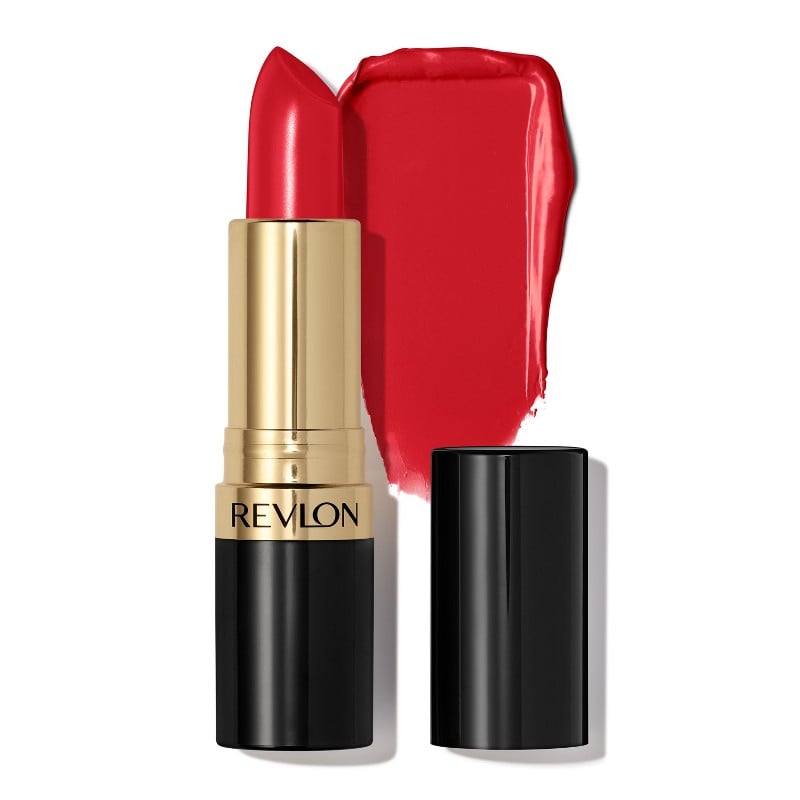
The Secret
Find your signature red or deep lip color and apply it daily — not as a special occasion step but as part of your baseline getting-dressed routine.
Does It Hold Up?
Absolutely — this is as much psychology as it is beauty
Beauty experts are unusually unanimous on this one: red lipstick is never a bad choice. “According to my grandma, red lipstick is never a bad choice, no matter the occasion or the outfit. It will perk up any look, make you feel better and more alive,” one celebrity stylist shared. Another recalled her grandmother at 97 — still walking into rooms with a full face of makeup, perfectly confident. “Lipstick should always be worn and finding your signature shade was instilled in me from a very young age.”
What grandma understood — and what modern beauty culture sometimes forgets in its quest for “no-makeup makeup” — is that a bold lip is the single fastest way to look put-together. It draws attention upward to the face, creates contrast, and has a measurable effect on the wearer’s confidence. Our guide to lipsticks people actually wear down to the nub has options across every budget and finish.
The lipstick-first routine also encourages something grandma’s generation did instinctively: presenting yourself intentionally. Not performatively for others — but as an act of self-respect. A signature shade, applied the same way every morning, is its own form of ritual beauty practice. If you want one thing from this list, make it this one.
How to do it: Find your red — or your deep plum, or your perfect nude, whatever shade makes you feel like yourself — and apply it in the morning before you leave the house. Keep it in your bag. Use it up.
The Real Lesson From Grandma’s Beauty Routine
Looking across all ten of these habits, the pattern is clear. Grandma wasn’t working with more effective ingredients — she was working with fewer of them, more consistently, for longer. She didn’t chase trends because there weren’t trends to chase. She found what worked and emptied the bottle. Then she bought another.
That’s exactly the Beauty Empties philosophy. The most trustworthy products aren’t the newest ones — they’re the ones that get used up, every time. Vaseline, Pond’s Cold Cream, Thayers Witch Hazel, and Olay Regenerist have all been quietly repurchased for decades by people whose skin speaks for itself. If you’re wondering why your skincare routine has stopped working, the answer might not be that you need something newer. It might be that you need something older — and you need to actually stick with it.
Try one habit from this list. Give it 30 days. We bet you empty it before you stop believing in it.
More From Beauty Empties You Might Like
- Drugstore Beauty Products Under $25 That People Repurchase on Repeat
- The Best Moisturizers People Actually Repurchase
- The Best Toners People Repurchase
- The Best Night Creams People Repurchase
- 10 Skincare Mistakes Women Over 60 Are Making Right Now
- The Face Masks That Justify 20 Minutes of Your Time
What Our BEEs Are Buzzing About
Here’s what the beauty community is saying about these vintage routines:
Frequently Asked Questions
What was the most popular beauty product grandmothers used?
Based on Reddit discussions and beauty expert interviews, Pond’s Cold Cream and Vaseline/petroleum jelly are by far the most mentioned. Olay (Oil of Olay) is a close third. All three are still widely available and inexpensive.
Did grandma’s generation really have better skin?
Not necessarily — but they often had more consistent routines with fewer products, which dermatologists say is actually the most important factor in skin health. They also spent less time irritating their skin with over-exfoliation and ingredient overload, which is a real modern problem.
Is petroleum jelly (Vaseline) safe to put on your face?
Yes. Petrolatum is non-comedogenic, hypoallergenic, and one of the most thoroughly tested skincare ingredients in existence. The “Vaseline clogs pores” myth has been debunked by dermatologists repeatedly. Pure white petrolatum (like the triple-purified Vaseline formula) is safe for daily use on the face.
What is “slugging” and is it the same as what grandma did?
Slugging — applying a thin layer of petroleum jelly as the final step in your nighttime skincare routine — is exactly what grandma did, just without the TikTok branding. The technique has been around for at least a century and works by creating an occlusive seal that locks in moisture overnight.
Does apple cider vinegar really work for hair?
Yes, with caveats. Diluted ACV can help restore your hair’s natural acidic pH, reduce frizz, and address mild scalp issues like dandruff. It should always be diluted (never applied straight), used no more than twice a week, and approached cautiously if you have color-treated hair or a sensitive scalp.
Want to become a Beauty Empties Expert?
BEEs get free products to test, exclusive discount codes from our brand partners, and live access to The Hive sessions with dermatologists and beauty editors. Spots are limited and hand-picked.






love all of grandma’s secrets. I’m sure she has many more
My Momma used Oil of Olay on her face daily, she wasn’t really a makeup wearer, but she never had wrinkles. She used it well into her late 60’s.