The Face Masks That Justify 20 Minutes of Your Time

If you buy through our links, we may earn a small commission at no cost to you. As an Amazon Associate, we earn from qualifying purchases. Our policy
Most face masks are theater. The best face masks are the exception. You smear on something that smells like a spa, wait 10 to 20 minutes, rinse, and your skin looks roughly the same as it did before, just slightly damp. The masks on this list are different. They pull gunk out of pores, resurface dull texture, or deliver overnight hydration that you can actually see the next morning. They earn those 20 minutes.
We tested dozens of masks across clay, enzyme, hydrating, and overnight categories and narrowed it down to five that do what they claim. Some are under $10. Some cost more. All of them produce visible results in a single session, which is the only standard that matters for a product you’re supposed to sit around and wait for.
1. Aztec Secret Indian Healing Clay
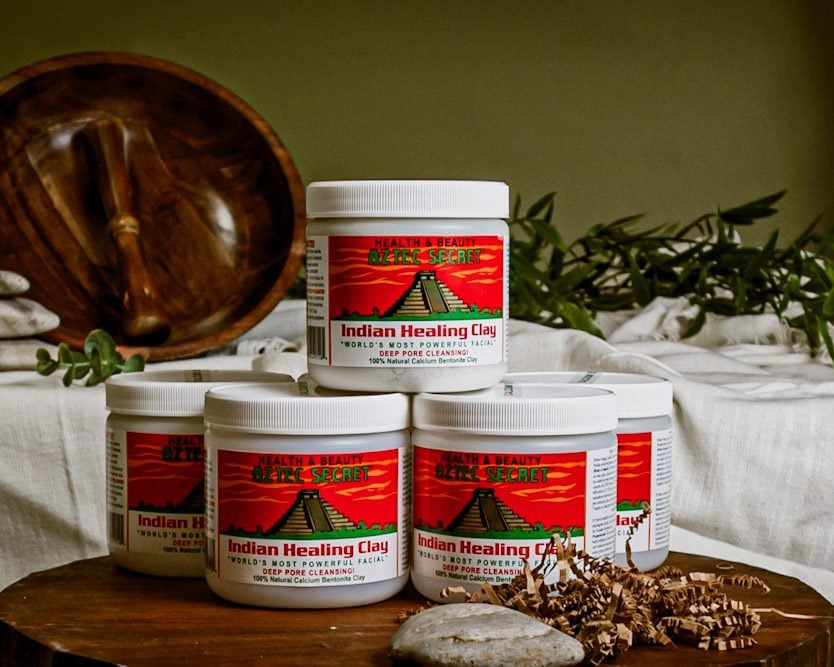
This is a one-pound tub of calcium bentonite clay for under $10, and it has been quietly outselling high-end masks for years. You mix the powder with equal parts raw apple cider vinegar (not water, vinegar gives it the right pH and a better fizz), stir until smooth, and apply a thick layer. Within five minutes your face will pulse. By 15 minutes it feels like a full-face tightening. Rinse it off and your pores look noticeably cleaner.
The catch: it is intense. If you have sensitive or dry skin, start with five minutes max and follow with a solid moisturizer. Oily and combination skin types can push to 15 or 20 minutes once a week without issue. The texture is gritty going on and messy coming off, this is not a glamorous mask experience. But for raw pore-clearing power at this price, nothing else comes close.
It also lasts forever. One tub gives you months of weekly treatments, which makes the per-use cost almost laughably low.
2. Summer Fridays Jet Lag Mask
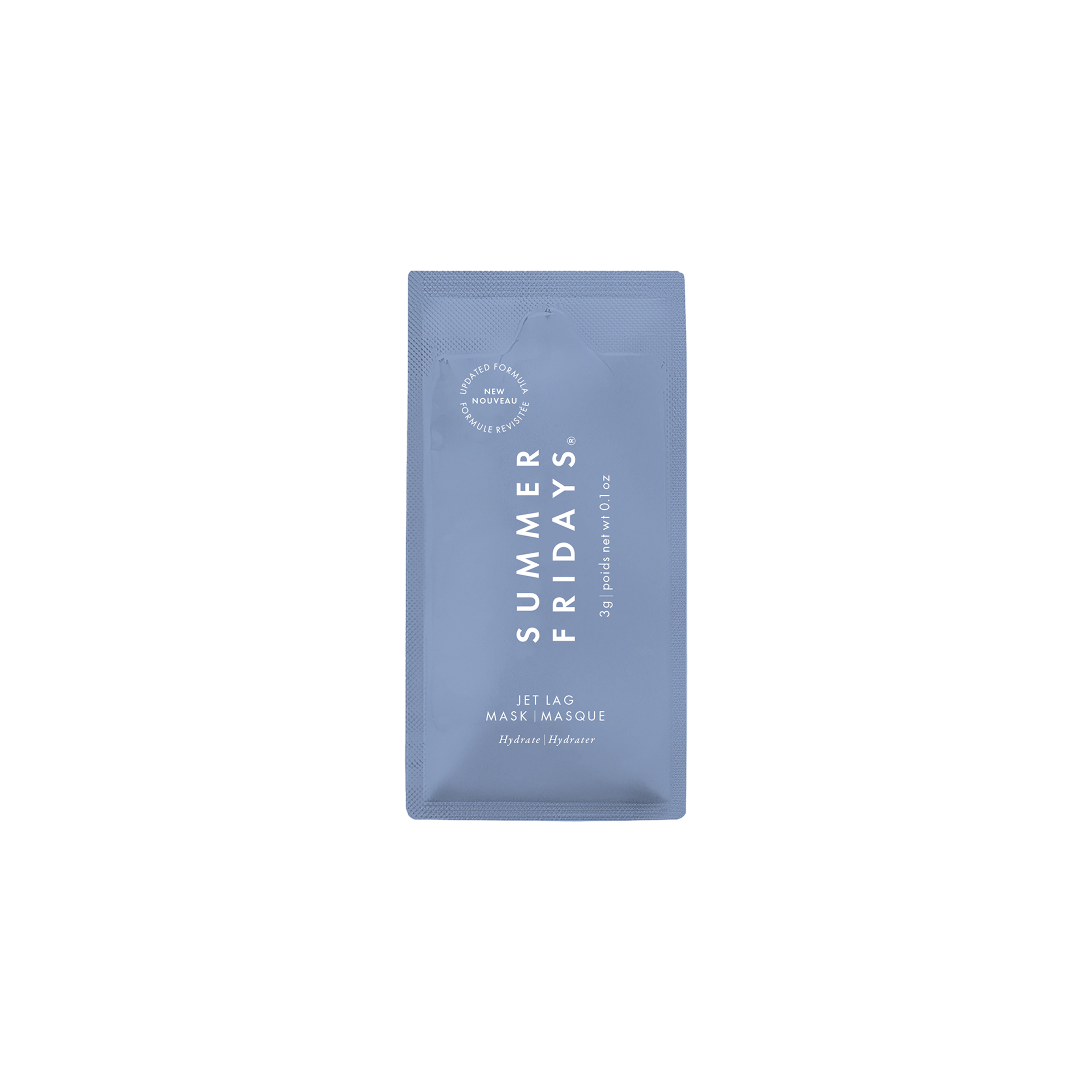
The Jet Lag Mask works because it does one thing well: it floods dehydrated skin with moisture without leaving a greasy film. The formula leans on glycerin, niacinamide, and a blend of vitamins C and E, and it has a whipped-cream texture that absorbs in minutes. You can use it as a traditional rinse-off mask, an overnight treatment, or a midday moisturizer over makeup. That flexibility is what makes it a constant repurchase.
It was originally designed for flights, pressurized cabins strip moisture from skin fast, but it works just as well after a long day in air conditioning, a retinol night that left you flaky, or a winter stretch where your skin just looks flat. Apply a thick layer before bed, wake up with skin that actually looks rested.
One note: this is a hydration mask, not a treatment mask. It will not unclog pores or exfoliate. If your skin is dull because it is dehydrated, the Jet Lag Mask fixes that immediately. If your skin is dull because of buildup, you need one of the other options on this list first.
3. Glow Recipe Watermelon Glow Sleeping Mask
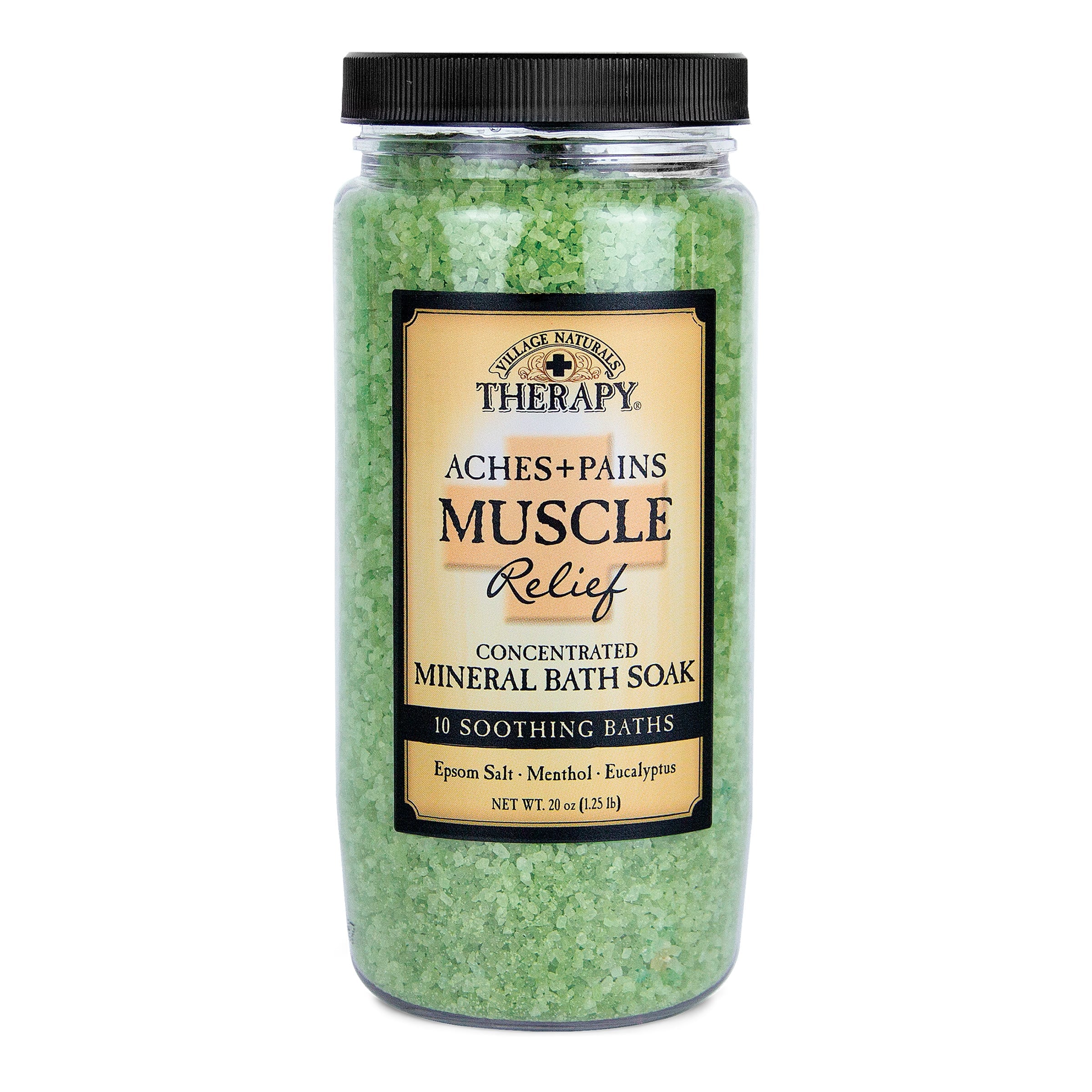
Sleeping masks are the laziest category in skincare, you put them on and go to bed, and this is the best one we have tested. The Watermelon Glow Sleeping Mask combines hyaluronic acid and watermelon extract with AHAs just gentle enough to smooth texture overnight without causing irritation. You wake up with bouncy, slightly brighter skin that feels like it had eight hours of hydration even if you only slept six.
The texture is a lightweight gel that sinks into skin fast, so it will not transfer all over your pillowcase. It layers well over serums and under nothing, just apply it as your last step and forget about it. The light watermelon scent is noticeable but fades within a few minutes.
Where it really earns its spot: consistency. A lot of overnight masks deliver a noticeable result once and then seem to plateau. This one keeps delivering that morning glow even after weeks of use, two or three times a week. It is also a smart pick for anyone who knows they will never sit still for a 20-minute rinse-off mask.
4. Origins Clear Improvement Active Charcoal Mask
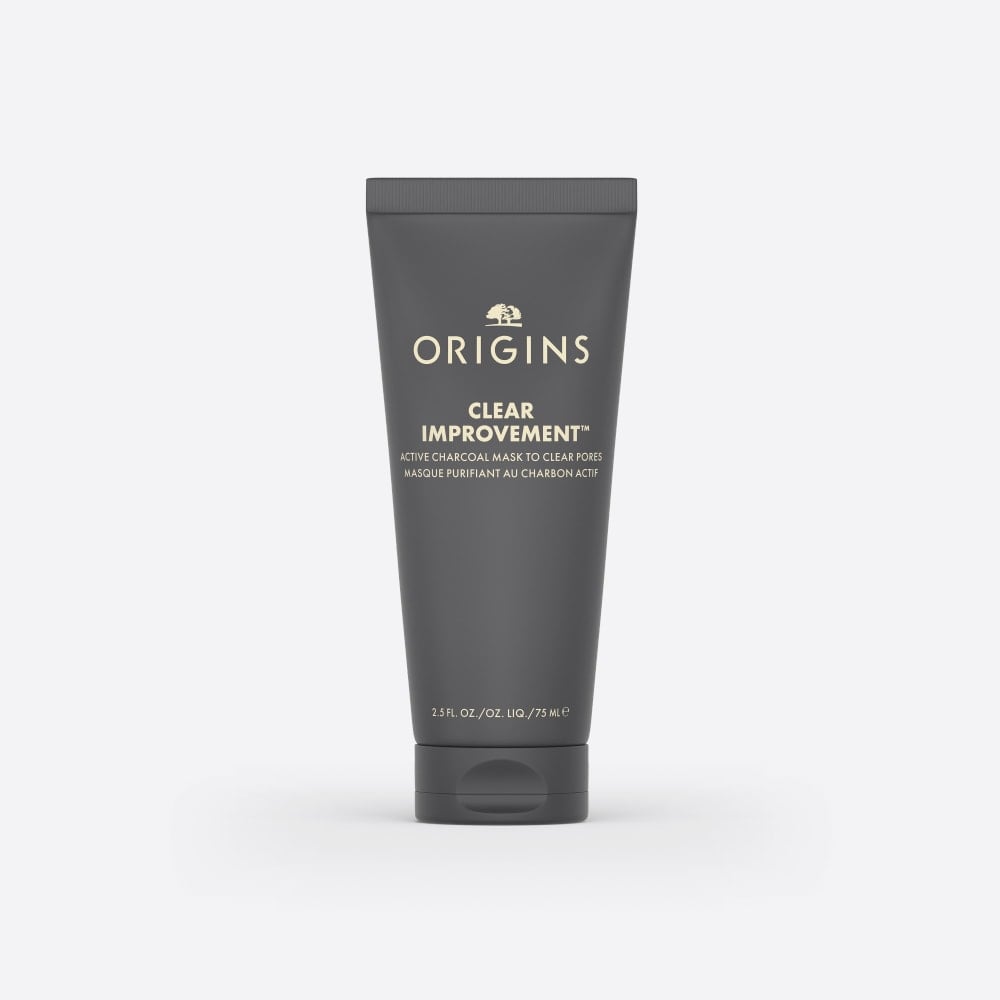
Charcoal masks flooded the market a few years ago and most of them were gimmicks. This one is not. The Origins Clear Improvement mask uses bamboo charcoal and white China clay to draw out impurities without stripping skin raw. It goes on as a smooth, dark paste and dries to a matte finish in about 10 minutes. When you rinse it off, your skin feels genuinely clean, not tight, not dry, just clean.
It is especially useful for oily and combination skin types who deal with congestion around the nose and chin. A once-a-week application keeps blackheads in check and prevents that midday oil slick without over-drying the rest of your face. The formula is firm enough to stay put but does not crack and flake the way pure clay masks tend to.
Fair warning: the charcoal will stain a white washcloth. Use a dark one. And if you have dry or reactive skin, limit use to the T-zone and keep it on for closer to five minutes. This mask means business.
5. Peter Thomas Roth Pumpkin Enzyme Mask
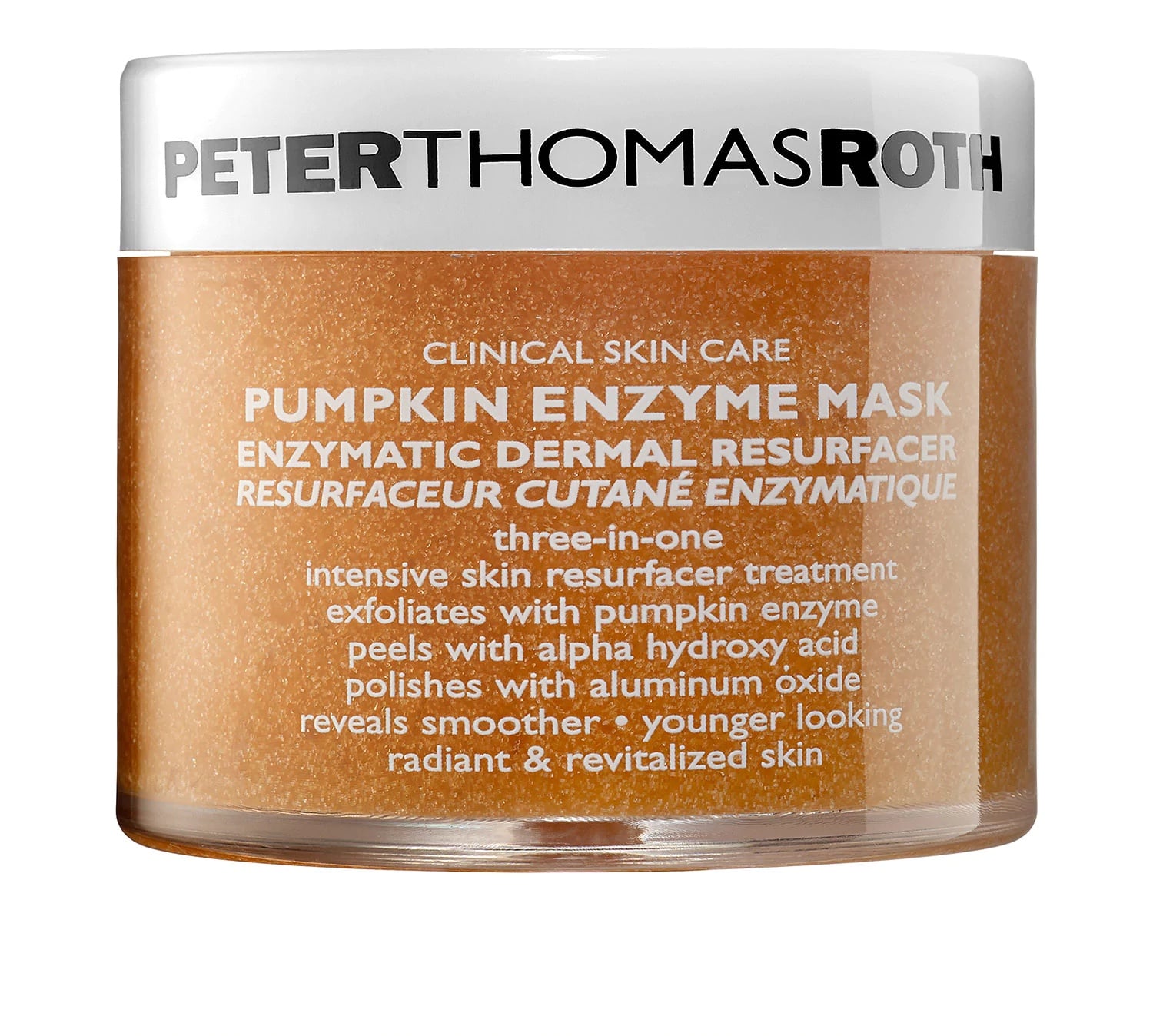
This mask smells like pumpkin pie and works like a professional peel. It contains pumpkin enzyme, a natural source of alpha hydroxy acid, plus glycolic acid and aluminum oxide crystals for physical exfoliation. That combination means it dissolves dead skin and buffs it away at the same time. Seven minutes is all it needs. You rinse and your skin looks visibly smoother, brighter, and more even-toned in one session.
The tingle is real. Within a minute of application, you will feel a warm, prickly sensation across your face. That is the enzymes and acids working. If you have used glycolic products before, it is familiar. If you have not, patch-test first and start with five minutes. Sensitive skin types should approach with caution, this is a potent formula.
Use it once a week before a night out or any time your skin looks dull and textured. It is the fastest reset on this list, and the jar lasts a long time because a thin layer is all you need. The Peter Thomas Roth Pumpkin Enzyme Mask has been a backstage and editorial favorite for years for a reason: it delivers professional-grade resurfacing results at home.
You’ve got two for clearing pores (Aztec Clay and Origins Charcoal), one for resurfacing (Peter Thomas Roth), and two for hydration (Summer Fridays and Glow Recipe). Pick based on what your skin actually needs THIS week, not what would look cutest on a shelfie.
One tip that’s made a big difference for me: alternate between a clarifying/exfoliating mask and a hydrating one. If you go too hard on the active masks, you’ll just irritate your skin. Follow them up with hydration so your skin can actually recover. Two masks a week, alternating types, is the sweet spot for most people.
Face Mask FAQs
How often should I use a face mask?
Once or twice a week is the standard recommendation. Clay and enzyme masks should be limited to once a week to avoid over-stripping or over-exfoliating. Hydrating and sleeping masks are gentler and can be used two to three times a week without issue. Pay attention to how your skin responds and adjust from there.
Should I use a face mask before or after exfoliating?
If your mask already contains exfoliating ingredients, like the Peter Thomas Roth Pumpkin Enzyme Mask, skip the separate exfoliant that day. Doubling up causes irritation and redness. If you are using a clay or hydrating mask that does not exfoliate, you can use a gentle exfoliant beforehand to help the mask penetrate more effectively.
Can I use multiple face masks in one session?
Multi-masking, applying different masks to different zones of your face, works well if you are strategic. A clay mask on the T-zone and a hydrating mask on the cheeks is a common and effective combination. Layering two masks on the same area or using two active masks back to back is not recommended.
What should I apply after removing a face mask?
After a clay, charcoal, or enzyme mask, follow with a hydrating serum and moisturizer. Your skin is freshly cleared and more receptive to those products, so they will absorb better than usual. After a hydrating or sleeping mask, you typically do not need much else, a light moisturizer is enough to seal everything in.
Do expensive face masks work better than cheap ones?
Not always. The Aztec Secret Indian Healing Clay on this list costs under $10 and outperforms many masks five times its price for pore clearing. Price matters more for formulas that combine multiple active ingredients at effective concentrations, enzyme peels and overnight treatments tend to be worth the extra spend. For simple clay masks, cheaper options often work just as well.
These are the best face masks that people repurchase and rebuy.
For more in this category, see our full roundup of our cleanser picks.
What Our BEEs Are Buzzing About
Here’s what the beauty community is saying about these products:
Frequently Asked Questions
How often should you use a face mask?
For most skin types, one to two times per week is the sweet spot. Clay and detoxifying masks can be drying if overused, so once a week is plenty. Hydrating sheet masks are gentler and can be used up to three times a week without issue. Pay attention to how your skin responds and adjust from there.
What is the difference between clay masks and sheet masks?
Clay masks draw out excess oil, unclog pores, and work best for oily or congestion-prone skin. They dry down on the face and get rinsed off. Sheet masks are soaked in concentrated serum and focus on delivering hydration, brightening ingredients, or calming actives into the skin. One pulls things out, the other pushes things in.
Can you leave a face mask on too long?
Yes, and it can backfire. Leaving a clay mask on past the recommended time can strip your skin barrier and cause dryness or irritation. Sheet masks left on after they dry out can actually start pulling moisture back OUT of your skin. Stick to the directions on the packaging (usually 10-20 minutes) for the best results.
Which face masks work best for acne-prone skin?
Look for masks with kaolin or bentonite clay, sulfur, salicylic acid, or niacinamide. These ingredients target excess oil production and help clear congested pores without triggering more breakouts. Avoid masks loaded with heavy oils or thick butters, which can clog pores further. A weekly clay-based mask paired with a gentle BHA treatment is a solid combination for breakout-prone skin.
Do face masks actually provide long-term benefits?
Individual masks give a temporary boost, but consistent use over time does add up. Regular exfoliating masks can improve texture and reduce the frequency of breakouts. Hydrating masks help reinforce your skin’s protective barrier when used weekly. The key word is consistent. A single sheet mask before a big event is a nice pick-me-up, but the cumulative effect of weekly masking is where the real payoff lives.
Should you moisturize after using a face mask?
Almost always, yes. After a clay or rinse-off mask, your skin needs a moisturizer to seal the barrier back up. After a sheet mask, patting in the remaining serum and following with a moisturizer locks in all those actives. The only exception might be a sleeping mask that is designed to BE your last step. Otherwise, always follow up with moisturizer.
Want to become a Beauty Empties Expert?
BEEs get free products to test, exclusive discount codes from our brand partners, and live access to The Hive sessions with dermatologists and beauty editors. Spots are limited and hand-picked.