The Hair Growth Products People Say Actually Work

You don’t really think about hair loss until you start losing it. Then you’re seeing more in the brush than you used to, or noticing your part looks wider in photos than you remember. Ten minutes of Googling produces a $90 supplement subscription, a rosemary oil that TikTok swears reverses hair loss, and a foam from the men’s section of the drugstore that smells like rubbing alcohol.
If you buy through our links, we may earn a small commission at no cost to you. As an Amazon Associate, we earn from qualifying purchases. Our policy
Most hair growth products don’t do much. The ones that work usually require staying on them for the rest of your life, with the kind of cult repurchase signal that only builds up after people see real results around the six-month mark. We pulled the eight that survive both filters: the formulas our BEEs keep buying again, with the clinical trials and the honest catches included.
The Buzz
Every hair on your head is on a clock. Each follicle spends two to seven years in the growth phase (anagen), a few weeks transitioning, then about three months resting before it sheds and starts over. Hair “growth” products either keep follicles in the growth phase longer, wake up resting ones, or block the hormone (DHT) that shrinks them. Anything that doesn’t do one of those three things is conditioning the hair you already have, which is fine, just not new growth.
How hair growth products actually work
Almost every hair growth product that works does so through one of a handful of mechanisms. Minoxidil increases blood flow to the scalp by widening the blood vessels under the skin, so follicles get more oxygen and nutrients. DHT blockers reduce the hormone that shrinks follicles in genetic hair loss; finasteride is the prescription version, and ketoconazole shampoos plus saw palmetto are the milder over-the-counter cousins. Peptide and growth-factor serums (REDENSYL, capixyl, procapil) try to keep hair in the growth phase longer, though the clinical data there is more limited than what backs minoxidil. Nutrient correction with iron, vitamin D, biotin, or zinc only works if you have a real deficiency, which most women don’t, though some do without knowing it.
Products that don’t work through one of those mechanisms are usually thickening the hair shaft, reducing breakage, or selling placebo with a nice bottle. Thicker-looking hair counts as a win, but it isn’t new growth, and the distinction matters when you’re spending $80 a month on something.
Minoxidil also exists as a low-dose oral pill that dermatologists have been prescribing off-label for the last few years. A November 2024 international consensus statement in JAMA Dermatology found near-unanimous expert agreement (97.7%) that low-dose oral minoxidil produces a direct benefit for genetic and age-related hair thinning. Typical women’s doses run from 0.625 to 5 mg daily, much lower than the doses originally used when minoxidil was a blood pressure drug. The pill can still affect heart rhythm and blood pressure at any dose, so your dermatologist will run a basic heart and blood pressure check before prescribing it and follow up periodically while you’re on it. That’s why oral minoxidil stays prescription-only and isn’t on our list. If topical minoxidil hasn’t worked for you, the oral version is the next conversation to have with your derm.
1. Rogaine 5% Minoxidil Foam for Women
Rogaine 5% foam is the only over-the-counter topical the FDA has approved for hair regrowth in women, and it’s the product every dermatologist and trichologist recommends first. The active ingredient is 5% minoxidil, a vasodilator that was discovered as a hair-growth side effect of an oral blood-pressure medication in the 1970s. A 2011 randomized trial led by Blume-Peytavi and published in the Journal of the American Academy of Dermatology compared once-daily 5% minoxidil foam to twice-daily 2% minoxidil solution in 113 women with female pattern hair loss.
From the Hive
The buzz from our Beauty Empties Experts. Sign up to join!
Minoxidil is the most-finished topical in the hair growth category by a wide margin, and the empties stories are remarkably consistent. Visible regrowth at the temples and crown shows up between months four and six, full results land closer to month twelve, and the moment you stop using it the new growth sheds out within four to six months. Most BEEs land on the foam version after trying the solution and hating how it dripped onto the forehead or interacted with styling products.
After 24 weeks the once-daily foam matched the twice-daily solution on hair count, with fewer scalp side effects. The foam version is the once-daily formulation; the solution requires twice-daily application. Jennifer Lopez, who became an investor and paid spokesperson for the telehealth company Hims & Hers in 2022, has talked openly about using minoxidil for years, telling the brand she “had to learn about minoxidil from my hairstylist” and has been on it ever since.
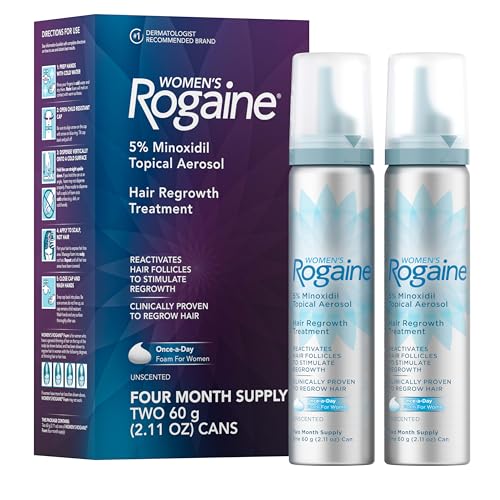
Women’s Rogaine 5% Minoxidil Topical Foam (Four-Month Supply)
The #1 pick for proven regrowth. The only FDA-approved topical for women’s hair regrowth, once-daily foam version, four-month supply.
The catch: The initial shedding is the part most people don’t make it through. Minoxidil pushes resting follicles into a new growth cycle, which means weeks two through eight you’re losing hair faster than usual, and most people who quit prematurely quit during that window. The new hair also only stays as long as you keep applying; stop, and the regrowth sheds out within about four months. Some women develop contact dermatitis from the propylene glycol in the solution, which is why the foam version (which is propylene glycol-free) is the better starting point than the liquid.
The catch most users don’t anticipate is the pet risk. Minoxidil is highly toxic to cats and dangerous to dogs, and the route of exposure is usually a pet licking the owner’s hands, scalp, or pillowcase. The ASPCA Animal Poison Control Center has logged more than 700 cases involving minoxidil since tracking began, with cats accounting for the majority of poisonings and every one of the recorded fatalities. Symptoms set in within 30 minutes of exposure and include lethargy, abnormal heart rhythm, fluid in the lungs, and low blood pressure. Anyone applying minoxidil in a household with cats should wash hands thoroughly afterward, let the foam fully dry before bed, change the pillowcase regularly, and keep the bottle behind a cabinet door.
2. Nutrafol Women
Nutrafol is the daily supplement dermatologists tend to name when a patient wants to try something before (or alongside) minoxidil. The formula targets four root causes of thinning that pills can plausibly address: stress, hormones, nutrition, and inflammation. The active ingredients include saw palmetto (a mild DHT inhibitor with some research support), ashwagandha (for cortisol), marine collagen peptides, biotin, turmeric, and a tocotrienol complex.
From the Hive
The before-and-after photos that show up in beauty communities for this product tend to cluster around the six-month mark, which lines up with the study’s timeline. The most common pattern is less shedding noticed first (around month two or three), then visible new baby hairs along the part and hairline starting month four, then real density by month six or seven. BEEs going through postpartum shedding or perimenopausal thinning tend to be the most consistent repurchasers.
The clinical evidence is one six-month study published by Ablon and colleagues in the Journal of Drugs in Dermatology in 2018, where 40 women aged 21–65 took either Nutrafol Women or a placebo and the Nutrafol group showed significant increases in terminal and vellus hair count. The trial was randomized and double-blinded, funded by the brand, and a class action filed in 2023 has challenged whether a 40-person study with the placebo group skewing older and more stressed than the active group is enough to support a “clinically proven” marketing claim.
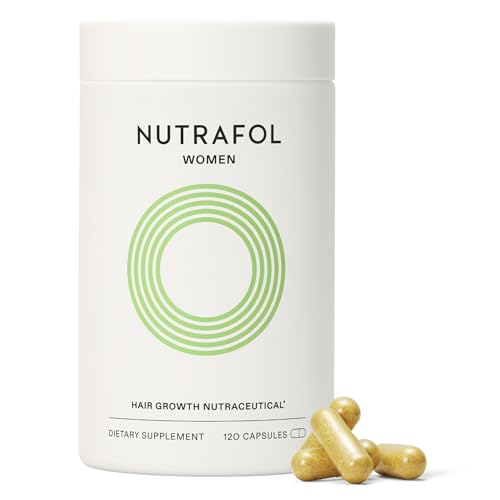
Nutrafol Women Hair Growth Supplement (One-Month Supply)
The #1 pick for an oral approach. Daily four-capsule supplement targeting stress, hormones, and inflammation. Saw palmetto, ashwagandha, marine collagen.
The catch: The bigger one is a 2024 case report published in the American Journal of Gastroenterology. A 26-year-old woman developed severe drug-induced liver injury after five months on Nutrafol, with bilirubin and liver enzymes climbing to ten-plus times the normal range. Her workup ruled out viral hepatitis, autoimmune causes, and alcohol; the liver biopsy showed inflammation and parenchymal collapse; and her labs normalized after she stopped the supplement, which is how case reports establish causation. The most likely culprits in the formula are turmeric, ashwagandha, horsetail, and saw palmetto, all of which have documented hepatotoxicity in higher-dose or extended use. A single case isn’t a population-level safety signal, but it’s enough that the OB/GYN Dr. Jen Gunter, along with several practicing dermatologists, has publicly flagged the supplement as inadequately studied. The smaller catches are still worth flagging: the $88-per-month price tag, the four-capsule daily dose that BEEs with reflux or sensitive stomachs take with food, the high biotin content (which interferes with thyroid lab tests), and the active class action filed in 2023 alleging the “clinically proven” claim is built on a 40-person trial too small to support it.
3. Nizoral A-D Anti-Dandruff Shampoo
Nizoral is technically an over-the-counter anti-dandruff shampoo, but it earned a cult following in hair loss communities because its active ingredient (1% ketoconazole) is a mild DHT inhibitor when used topically on the scalp. The often-cited study is Piérard-Franchimont and colleagues, published in Dermatology in 1998, which followed 39 men with grade III androgenetic alopecia using 2% prescription-strength ketoconazole shampoo two to four times weekly for 21 months.
From the Hive
Used the way the science actually supports (twice a week, lathered into the scalp and left on for three to five minutes before rinsing), this is the most-recommended supporting product alongside minoxidil. BEEs run it as a rotation: regular gentle shampoo on most wash days, Nizoral twice weekly. The seborrheic dermatitis crowd uses it for the dandruff reason it was approved for and gets the hair-density bonus as a side effect. The most common comment is that it stops shedding within about three or four weeks.
Hair density and the percentage of hair in the growth phase increased comparably to 2% minoxidil. That study used the prescription concentration. The 1% OTC version sold as Nizoral is half that strength, and dermatologists generally treat it as delivering a milder version of the same effect rather than no effect at all.
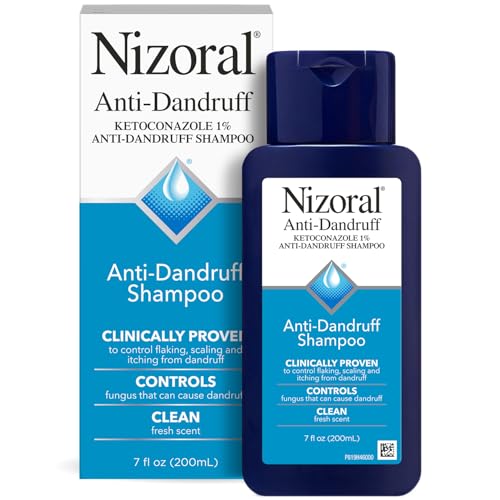
Nizoral A-D Anti-Dandruff Shampoo with 1% Ketoconazole
The #1 pick for a budget DHT-blocker rotation. Drugstore shampoo with the only clinically-studied OTC ketoconazole. Used twice a week alongside a regular cleansing shampoo.
The catch: It’s drying. Genuinely drying. Color-treated hair takes the worst hit, and BEEs with curly or textured hair have to follow it with a deep conditioner every time. The smell is medicinal, the lather is minimal, and if you use it more than twice a week the dryness compounds fast. It’s also not an FDA-approved hair-loss treatment, so the off-label use sits in a gray zone.
4. Mielle Organics Rosemary Mint Scalp & Hair Strengthening Oil
Mielle’s Rosemary Mint Oil went viral on TikTok in late 2022 and has stayed on top-seller lists since. It also happens to be one of the very few cult oils on the market with a peer-reviewed study supporting its hero ingredient.
From the Hive
Applied two or three times a week to a clean, lightly damp scalp and massaged in for about a minute, this is the most-emptied “natural” hair growth product in beauty community feedback. BEEs see the scalp-soothing benefit fastest (within two weeks) and the actual density change closer to the four-to-six-month mark, which lines up with the study timeline. The repurchase rate is high enough that the brand sells the 2-ounce bottle in three-packs to keep up.
A 2015 randomized trial led by Yousef Panahi, published in Skinmed, compared rosemary oil to 2% minoxidil over six months in 100 people with androgenetic alopecia. Both groups saw significant hair count increases by month six, with no statistically significant difference between them. The rosemary group reported less scalp itching as a bonus.
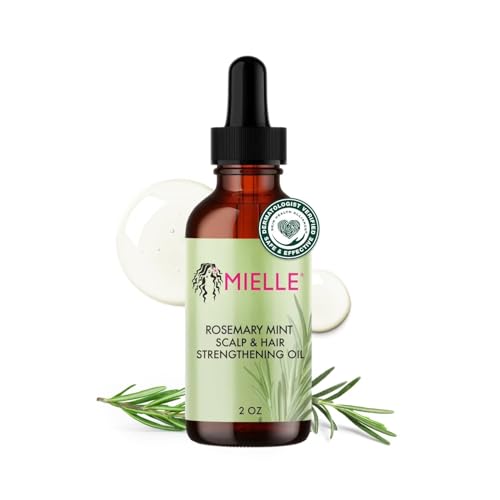
Mielle Organics Rosemary Mint Scalp & Hair Strengthening Oil (2 fl oz)
The #1 pick for a research-backed natural option. Rosemary essential oil in a jojoba-and-biotin base. The viral cult bottle with a real 2015 clinical study behind its hero ingredient.
The catch: The Mielle bottle isn’t pure rosemary oil. It’s mostly jojoba, coconut, and other carrier oils with rosemary as one of several botanicals, plus added biotin (which doesn’t absorb through the scalp in any useful amount). The 2015 study used rosemary essential oil at a higher concentration than what’s in this product, so the results aren’t directly transferable. The bigger issue is the volume of complaints from users who experienced more shedding, not less, after using the product. In November 2024, a federal class action was filed in the Northern District of Illinois (Gomes v. Mielle Organics, LLC and The Procter & Gamble Company) on behalf of consumers who reported shedding, scalp burning, and contact dermatitis from the oil. The initial complaint was dismissed without prejudice in early 2025 to give plaintiffs the chance to refile, and the suit is ongoing. Dermatologists have flagged the menthol and high essential-oil concentration as the likely cause of the irritation reports, especially for anyone with a sensitized or already-irritated scalp.
5. The Ordinary Multi-Peptide Serum for Hair Density
The Ordinary’s Multi-Peptide Serum is the affordable peptide play in the hair density category. The formula combines REDENSYL (a plant-based polyphenol complex marketed for waking dormant follicles), procapil (caffeine plus a peptide blend), capixyl, and Larecea, three of the four most-cited anagen-extending ingredients in current hair-density formulations.
From the Hive
The dropper bottle gets praised because it makes targeting the part and hairline easier than the spray competitors, and the once-daily application slots into a morning routine in under a minute. BEEs starting from less aggressive thinning (postpartum shed, hormonal stress, stylist-confirmed early density loss) tend to see the best results, usually around month three. It’s a frequent first-try because at roughly $20 a bottle the financial cost of being wrong is low.
The clinical data behind REDENSYL specifically is mostly internal: the ingredient maker Induchem ran an 84-day vehicle-controlled trial that reported a 9% increase in growing-phase hair count and a 17% reduction in shedding, results that appear in cosmetic-science conference materials and the supplier’s own technical literature but not in a peer-reviewed dermatology journal. Independent peptide research outside the ingredient-supplier data is thinner than the minoxidil evidence base, though it exists and continues to grow.
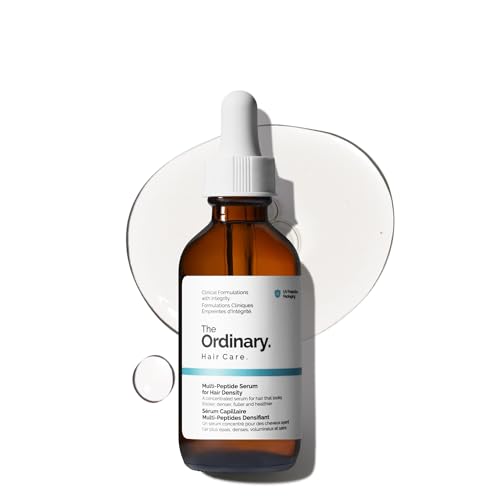
The Ordinary Multi-Peptide Serum for Hair Density (60ml)
The #1 pick on a budget. Peptide-and-caffeine scalp serum with REDENSYL, procapil, and capixyl. Daily leave-on, fragrance-free. Certified cruelty-free (PETA).
The catch: This is a density product, not a regrowth product. It’s better at making the hair you have look thicker than at producing visibly new hair where there isn’t any. BEEs with established androgenetic alopecia tend to see a visible change that doesn’t go far enough on its own, and end up adding minoxidil or a DHT-blocking shampoo to the rotation. The bottle also runs out faster than the price tag suggests, since daily use on a full part line eats through 60ml in about six weeks.
6. Vegamour GRO Hair Serum
Vegamour is the plant-based alternative that picked up serious traction once Nicole Kidman became its public face in 2022. Kidman is a financial investor in the brand as well as its ambassador, which is worth keeping in mind when weighing her endorsement; she has said she “recommends Vegamour because I use it and I believe in it, and I have seen the changes with my own hair.” The serum combines mung bean extract, red clover, curcumin (turmeric), and nicotiana benthamiana extract in a leave-on scalp formula.
From the Hive
The texture is the standout in beauty community feedback. It’s lightweight enough to apply in the morning without messing up hair that’s already styled, which is the practical sticking point that keeps BEEs consistent with it. Most BEEs notice less shedding first (around month one or two), then visibly fuller hair around the part by month four. The repurchase rate spikes among BEEs who tried minoxidil and quit because of the irritation or the daily mess.
The brand cites a 120-day study of 40 participants that reported up to a 52% increase in hair density and up to 76% less shedding. The trial was commissioned by Vegamour rather than published in a peer-reviewed journal, and mung bean specifically has no published human hair-growth studies behind it, so the scientific case is thinner than the marketing implies. The individual ingredients have small in vitro and animal studies suggesting anti-inflammatory and follicle-supportive effects.
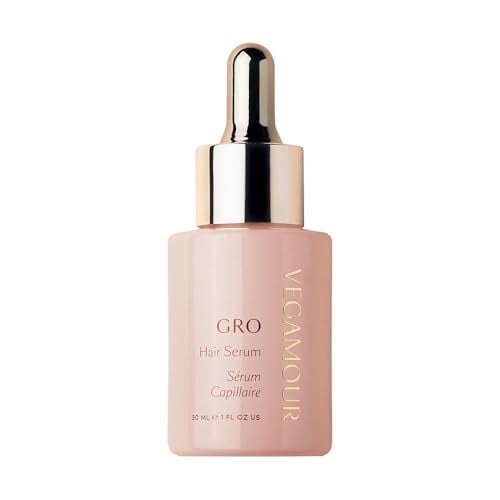
Vegamour GRO Hair Serum (1 fl oz)
The #1 pick for a non-minoxidil leave-on. Plant-based serum with mung bean, red clover, and curcumin. Daily scalp application, no greasy residue. Certified cruelty-free (Leaping Bunny).
The catch: The clinical data is brand-funded with no published independent replication, and at roughly $72 for a one-month bottle it’s expensive for what’s effectively a botanical serum without an FDA-approved active. BEEs comparing it head-to-head with minoxidil tend to report the regrowth result as “real but less dramatic,” and a meaningful subset of negative reviews are from people who saw no change after the full four-month trial. The four-month guarantee is the brand’s hedge, and BEEs who didn’t see results have reported it does honor the refund.
7. Viviscal Extra Strength
Viviscal is the older, lower-key cousin to Nutrafol, and it’s been on the supplement shelf since 1992. The active ingredient is AminoMar, a proprietary marine protein complex derived from shark cartilage and oyster powder, paired with biotin, vitamin C, and iron.
From the Hive
The price point (about $50 for a month’s supply) makes this the supplement BEEs reach for when Nutrafol’s $88 monthly tag is the dealbreaker. The two-tablet twice-daily dose is easier on the stomach than Nutrafol’s four-capsule single dose, which matters for BEEs who get queasy from large-volume supplements. Hair starts feeling less brittle within a month or two, with visible density showing up around month four to six. The cult repurchase signal is strongest among BEEs in postpartum or perimenopausal shedding windows.
A 2015 study by Glynis Ablon, published in Dermatology Research and Practice, randomized 60 women with self-perceived thinning hair to either Viviscal Extra Strength or placebo for 90 days and found a statistically significant increase in terminal hair count in the treatment group. Like the Nutrafol trial, this one was randomized and double-blinded but funded by the brand, and the sample size is smaller than what would constitute strong independent evidence.
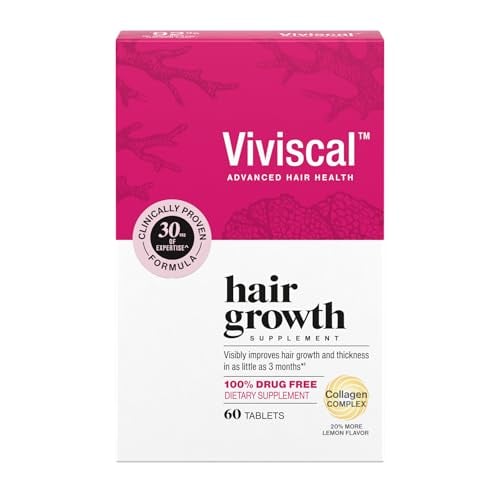
Viviscal Extra Strength Hair Growth Supplements (60 tablets, one-month supply)
The #1 pick for a long-track-record supplement. Marine protein complex with biotin, vitamin C, and iron. Twice-daily tablets, clinically studied since 1992.
The catch: The shellfish-derived marine complex is a non-starter for anyone with a shellfish allergy or who keeps a vegan or vegetarian diet. The biotin content is high enough (120 mcg per dose) that it can interfere with certain lab tests, including thyroid panels, so BEEs on thyroid medication need to flag it to their doctor before bloodwork. And like every supplement, it works best on shedding driven by stress, hormones, or nutrition, less so on genetic pattern thinning.
8. Pura d’or Original Gold Label Anti-Hair Thinning Shampoo
Pura d’or’s Original Gold Label Shampoo is the Amazon empty in the budget DHT-blocker category, with hundreds of thousands of reviews and a four-star aggregate rating built up over a decade. The formula stacks 17 active ingredients, with saw palmetto, nettle extract, pumpkin seed oil, biotin, and argan oil doing the most work.
From the Hive
The most-finished bottle in the everyday shampoo category for thinning hair, partly because the price-to-volume ratio (16-ounce bottle for around $30) makes it sustainable for daily use in a way Nizoral isn’t. BEEs run it as their primary daily shampoo and notice less hair in the brush within four to six weeks, with the part line filling in over three to six months. The conditioner is a frequent add-on for color-treated hair to offset the slightly drier feel.
The case for saw palmetto in topical form is built on small studies; the 2014 Cho and colleagues study published in Evidence-Based Complementary and Alternative Medicine found that 400mg of oral pumpkin seed oil daily produced a 40% increase in hair count over 24 weeks, with the topical version assumed to deliver a milder version of the same effect.
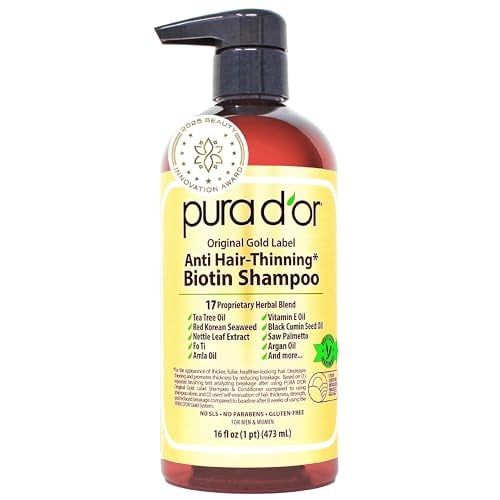
Pura d’or Original Gold Label Anti-Hair Thinning Shampoo (16 fl oz)
The #1 pick for a daily shampoo swap. Saw palmetto, nettle, and pumpkin seed oil. Sulfate-free, color-safe, daily use.
The catch: The “17 active ingredients” framing is more marketing than science. Several of the listed actives appear at concentrations below what the underlying research used, and the brand has never published a peer-reviewed clinical trial on the shampoo itself. Long-time BEEs have also reported a formula reset somewhere in the last few years, with the original anti-hair-thinning version reading differently in texture and lather than the bottle on shelves now, and longtime users have called out the brand for not flagging the change clearly. The auto-subscription on the brand’s site has come up in complaint threads too, where the introductory price upgrades to a much higher recurring rate after the first delivery, with returns on the customer’s dime. As for the product itself, the lather is light (sulfate-free formulas always are), the scent is heavy on rosemary and lavender, and BEEs with fine hair sometimes find it leaves a slight residue that needs a clarifying wash every couple of weeks to reset.
What probably doesn’t work, no matter how viral it is
The flip side of “what people say actually works” is the longer list of things people are convinced work but the research doesn’t support. Castor oil is the most prominent example. It’s been on the TikTok hair growth circuit for years, but no clinical study has found that castor oil grows hair. What it does is condition the hair shaft and reduce breakage, which can make the hair look thicker, and at the population level that gets misread as growth.
High-dose biotin gummies are another one. Unless you have a documented biotin deficiency (rare in well-fed adults), supplementing biotin doesn’t make hair grow faster, and at the megadose levels found in gummies it interferes with thyroid and troponin blood tests. Collagen powders fall in the same category: maybe useful for skin elasticity, but the case for hair regrowth is thin. And any product whose mechanism is “stimulates blood flow with a tingle,” “deeply nourishes the scalp,” or “infused with growth factors” without naming the actual growth factor or the concentration is selling sensation, not science.
If you’re spending more than about $200 a month on hair products and not seeing results after six full months of consistent use, the issue is usually that the products aren’t doing what the marketing claims. The eight on this list are the ones where the marketing claim and the underlying mechanism actually line up.
A cruelty-free mark means the brand is certified by PETA, Leaping Bunny, or both at the time of writing. A missing mark doesn’t mean a brand tests on animals; it just means the brand isn’t certified by these programs.
What Our BEEs Are Buzzing About
Here’s what the beauty community is saying about these products:
Want to become a Beauty Empties Expert?
BEEs get free products to test, exclusive discount codes from our brand partners, and live access to The Hive sessions with dermatologists and beauty editors. Spots are limited and hand-picked.