
10 Natural Beauty Habits Women Over 60 Refuse to Give Up
Walk through any beauty department right now and you’re getting pitched something new every two feet. Open Instagram or TikTok and the same pitch follows you home. New peptides, new acids, new devices, new tinted lash serums. Almost none of it is aimed at women over 60, which is part of why women over 60 have largely ignored it. Their routines are often decades old, frequently simple, and almost always cheaper than whatever’s getting pushed at the counter or onto the feed this season.
If you buy through our links, we may earn a small commission at no cost to you. As an Amazon Associate, we earn from qualifying purchases. Our policy
The habits below come up consistently in over-60 skincare communities on Reddit, in beauty editorial that actually writes to this reader, and in the routines French, Italian, and Korean women in the same age range have stuck with for years. They aren’t trendy. Most cost less than a single dermatologist visit. None require a procedure, a device, or a tube of something new. These are the ten that come up the most.
The Buzz
France treats skincare as part of medical care, not beauty. Brands like La Roche-Posay, Avène, and Bioderma are sold in dermo-pharmacies (literally “skin pharmacies”) and were designed to be gentle enough that dermatologists prescribe them after procedures. That is why the formulas are short, fragrance-free, and built for the most reactive skin. Generations of French women buy nothing else.
1. They Sleep on Silk
Cotton pillowcases pull moisture out of skin and hair. They also create more friction every time you turn over, which leaves a sleep crease that takes longer to relax in the morning at 60 than it did at 30. Switching to silk is the single cheapest habit on this list with the most visible payoff: less morning crease, less hair breakage, less of that flattened-on-one-side situation that used to bounce out by the time you got coffee.
The grade matters. The silk you want is mulberry, 22-momme weight or higher. Anything lighter feels like a slip dress and wrinkles in the wash; anything heavier reads as bedding-store novelty. Slip is the brand that built the category, and reviewers in this age group repurchase it for years, often replacing one every two or three years when the elastic finally gives out. The honest critiques: it slides around on the bed if you’re a side sleeper, the price ($89 and up depending on size) is steep for a single pillowcase, and the fabric needs gentle-cycle washing inside a mesh bag if you want it to last.
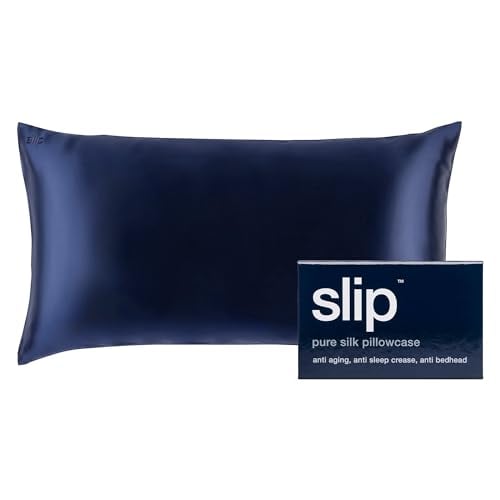
Slip Pure Silk Pillowcase
The 22-momme mulberry silk pillowcase reviewers in this age range repurchase every two to three years. Reduces friction on hair and skin without the slipperiness of lighter silks. Pricey but the closest thing to a single-purchase habit on this list.
2. They Wash With Lukewarm Water and a Milky Cleanser
Past 60, sebum production drops, and the surface lipids that keep skin comfortable take longer to come back after they’re stripped. Hot water and a foaming cleanser strip both faster than skin replenishes them, which is why so many over-60 routines that look great on paper still leave the face feeling tight by 9 a.m. The fix is one of the older habits in this piece: cooler water and a milky, non-foaming cleanser.
La Roche-Posay’s Toleriane Hydrating Gentle Cleanser is the bottle that comes up the most across over-60 communities, and it’s the one French dermatologists hand out after procedures (see the Buzz above). The formula is short: glycerin, niacinamide, ceramide, no fragrance, no sulfates. It does not foam, does not squeak, does not announce itself. Reviewers tend to repurchase the 13.5-ounce bottle four to six times a year. The honest gripes: the tube design is prone to cracking near the cap, and people used to lather sometimes report that it does not feel like a “real” wash for the first week. The skin telling you it’s calmer is the actual feedback loop.
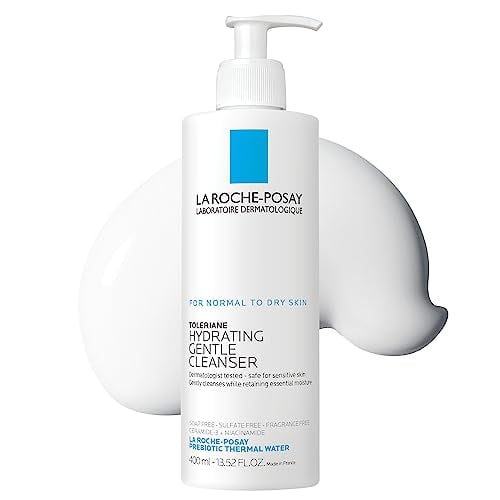
La Roche-Posay Toleriane Hydrating Gentle Cleanser
The French pharmacy cleanser dermatologists hand out after procedures. Glycerin, niacinamide, ceramide, no fragrance. Does not foam and does not strip. The most-finished cleanser in over-60 routines.
3. They Massage Their Face Every Morning
Morning puffiness around the eyes, jawline, and cheekbones isn’t a 60-and-over phenomenon, but it does take longer to settle than it used to. A few minutes of facial massage moves lymph fluid away from the face the way an after-walk does for ankle puffiness. It also brings circulation to the surface, which is the actual reason a freshly-massaged face looks lit from inside in photos.
The tool varies. Some women use their hands with a face oil, some use a jade roller (which had its over-50 moment around 2015), and many have settled on gua sha (a Traditional Chinese Medicine practice that translates roughly to “scrape sha,” brought into Western beauty around 2018 by practitioners like Sandra Lanshin Chiu and Britta Plug). The technique matters more than the tool, and any of the three delivers the same circulation and lymphatic effect. Wildling’s Empress Stone is the editorial cult pick if you want to invest in a tool: bian stone (a black mineral used in TCM clinics for its dense weight), shaped to follow the contours of the face, sold with an oil and a tutorial. Reviewers report visibly less morning puffiness after about a week of consistent use, and the practice doubles as a couple of meditative minutes before the day starts.
Honest critiques: $69 is a lot for a stone, and there is a real learning curve. The technique matters more than the tool, and people who use it incorrectly (too much pressure, no oil, dragging instead of sweeping) can irritate skin or even tug it in the wrong direction. A $25 rose quartz from any apothecary will do the same job if technique is right. The Empress is what people who’ve tried both keep returning to.
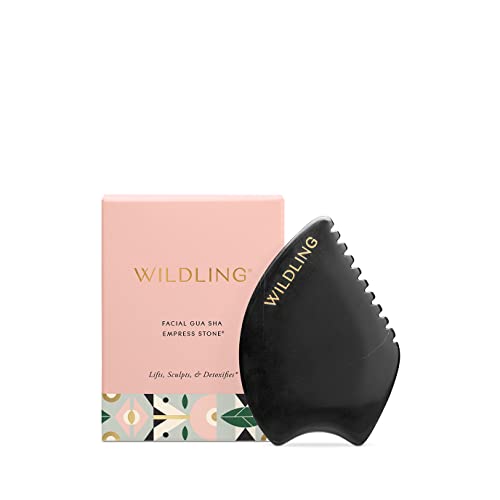
Wildling Empress Stone
The bian stone gua sha shaped to follow the face. Heavier than rose quartz, contoured for jaw and cheekbone, sold with an oil and a video tutorial that does most of the technique work. Cult repurchase among readers who’ve tested cheaper stones first. Certified cruelty-free (PETA).
4. They Oil Their Scalp Once a Week
Hair density typically drops in the years after menopause, and the scalp itself becomes drier as oil glands slow down. The fix that keeps coming up is so old it predates most of modern haircare: a weekly oil treatment. An hour or two before a shower, oil massaged into the scalp, washed out with the regular routine. Some swear by it for hair density at the temples; everyone agrees it makes the scalp itself feel less itchy and tight.
Wild Growth Hair Oil is the bottle that comes up the most in this demo. It has been on shelves since 1985 (made in Atlanta, originally formulated by and for the Black haircare community where weekly oiling has been standard for generations) and has stayed largely the same since. The blend leans plant-based (olive oil, jojoba, coconut oil, plus a proprietary mix of essential oils) with a few synthetic preservatives. It is multi-generational by design: women who started using it in their thirties are still finishing it forty years later. Rosemary essential oil specifically has actual research behind it for hair density, with a 2015 trial showing rosemary oil performed comparably to 2 percent minoxidil for androgenetic alopecia after six months. Honest critiques: the smell is strong (a minty-herbal mix some find medicinal), the consistency is heavy enough that it requires real shampoo to wash out, and the bottle is small for the price. A nickel-sized amount, massaged in an hour before a shower, washed out with the regular routine, is the protocol that comes up most.
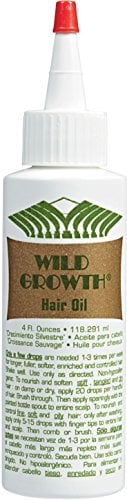
Wild Growth Hair Oil
On shelves since 1985 and a multi-generational staple of the Black haircare community. Olive oil, jojoba, and coconut oil with a proprietary essential oil blend. Strong herbal scent, heavy consistency, real results.
5. They Wear Mineral SPF Every Morning, Even Indoors
Sunscreen isn’t strictly natural, and putting it on a list called “natural beauty habits” is a small editorial sin. It’s still here because it’s the single most important beauty habit at any age. The women whose skin reads younger at 60 are almost always the women who started SPF earliest, and UVA passes through window glass and accumulates over decades, so this isn’t a habit that can wait until summer. Modern formulas blend mineral filters with synthetics, which is why it gets the only asterisk on the list. Worth it.
The shift past 60 is toward mineral filters (zinc oxide and titanium dioxide, which sit on top of skin and reflect light) over chemical filters (which absorb UV and convert it into a small amount of heat). Mineral is gentler on reactive skin, doesn’t sting eyes, and layers well under makeup without pilling, all of which matter more as skin gets less tolerant of repeated insult. CeraVe’s Hydrating Mineral Sunscreen is the cult pick at the drugstore tier: 100 percent mineral filters, ceramides built into the formula, and a price point that lets you reapply guilt-free.
Honest critiques: the white cast is real on deeper skin tones, the 5 percent zinc concentration leans hydrating-rather-than-matte, so oilier skin types may want a different finish, and the SPF 30 is the floor, not the ceiling for an outdoor day. Many readers double up with a separate tinted mineral for outdoor hours.
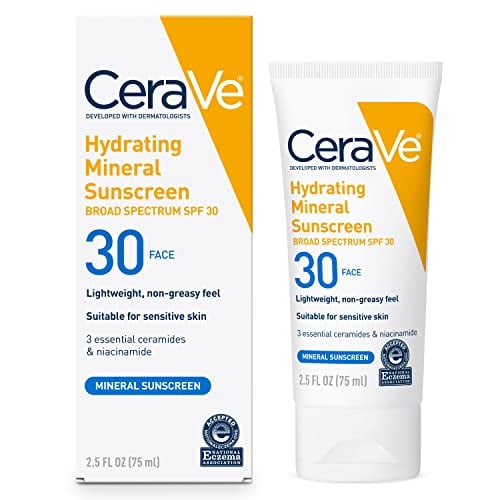
CeraVe Hydrating Mineral Sunscreen SPF 30
All-mineral filters with ceramides and niacinamide built in. The drugstore pick that gets repurchased the most across over-60 routines, in part because the price encourages reapplying instead of rationing.
6. They Skip Foundation and Spot-Conceal Instead
Heavy foundation does to skin past 60 what too much wax does to a wood floor: it builds up, settles into every fine line, and ends up emphasizing the texture it’s trying to cover. The pivot most over-60 makeup routines have made is away from foundation entirely and toward spot-concealing, which addresses the actual concerns (a dark spot, redness around the nose, an under-eye that needs help) without piling product on the rest of the face. The technique is barely a technique: dab concealer only where it’s needed, blend with a finger or a sponge, leave the rest of the skin bare.
Maybelline Instant Age Rewind Eraser is the concealer that comes up the most across over-60 communities, and it’s the one makeup artists pick for mature skin specifically because the formula is hydrating rather than drying. Concealers that crease or set into fine lines are the trap, and this one doesn’t. The drugstore price (under $12) means it actually gets finished and rebought, not rationed. The sponge-tip applicator is the real innovation: it picks up a precise amount of product and lets you tap it exactly where you need it. Honest critiques: the shade range tops out at 16, which underserves deeper skin tones, the sponge picks up too much product if you don’t squeeze the excess off first, and the coverage is medium rather than full, so anyone with significant pigment to cover will need to layer a second pass.
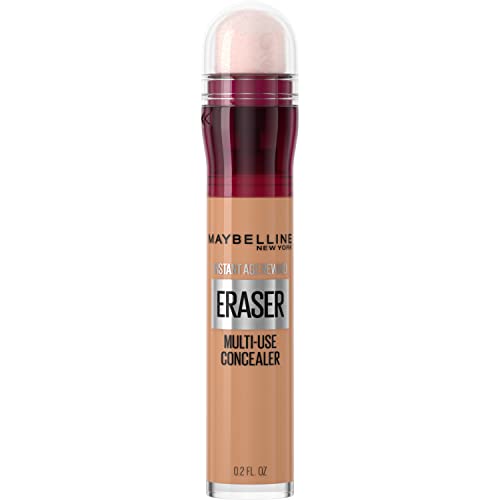
Maybelline Instant Age Rewind Eraser Concealer
The drugstore concealer makeup artists pick for mature skin specifically. Hydrating formula that doesn’t crease, sponge applicator that places product exactly where it goes, under $12 a tube. The pick that gets used up.
7. They Oil Their Body While Their Skin Is Damp
Body lotion alone evaporates faster than the skin it’s meant to soften, especially past 60 when the body produces less of its own oil. The trick that keeps showing up: a body oil applied to damp skin straight out of the shower. Water plus oil is the fastest way to lock hydration in, and the surface texture of arms and legs (where most of the visible dryness lives at this age) responds to it within a week.
Bio-Oil is the bottle most people reach for. It has been on shelves since 1987, sold in 100-plus countries, and the orange version with the small green leaf is what readers in this age range have been finishing for decades. The formula combines mineral oil with vitamin A, vitamin E, and a blend of plant oils, and it absorbs faster than anything else in this category. Honest critiques: despite the natural-looking branding, Bio-Oil contains fragrance and synthetic components, so it’s not a “natural” product in the strictest sense. The scent is also strong (older formulas were close to overwhelming, the current one is more chamomile than perfume) and a few drops go further than the bottle’s directions suggest.
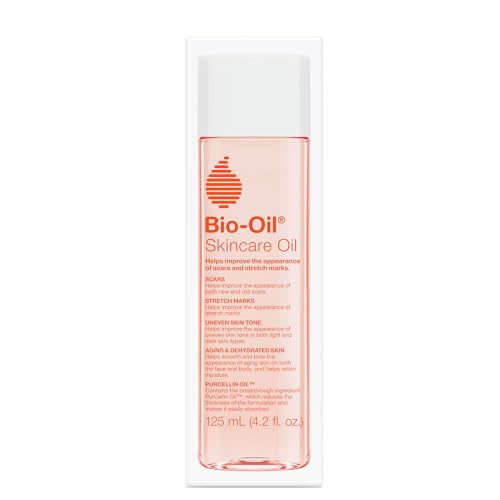
Bio-Oil Skincare Body Oil
On shelves since 1987 and still the most-finished body oil in over-60 routines. Vitamin A, vitamin E, plant oils, and a price that lets you actually use it daily after the shower.
8. They Treat Their Hands Like Their Faces
Hands age faster than faces because they have less natural oil and take more sun exposure (years of holding the steering wheel), and they get washed five to ten times more often than the face does. The result shows up first as crepiness on the back of the hand, then visible veins, then the brown spots that follow decades of sun. The fix is the same logic the face gets, applied to a body part most women have ignored for decades: a weekly exfoliation, a daily moisturizer, and the occasional oil treatment.
The ritual that comes up most is a quick salt scrub on the back of the hands once a week (sea salt and olive oil from the kitchen, nothing fancier needed for this step), pat dry, then a heavy hand cream worked in until it absorbs. Bio-Oil from habit 7 doubles as the oil step on dry-patch nights. The cream that comes up the most across over-60 communities is O’Keeffe’s Working Hands, the cult Amazon hand cream gardeners and dishwashers and dry-climate readers have been finishing for years. The formula is concentrated enough that users in this demo report visible improvement within days, not weeks. Honest critiques: it is a thick paste rather than a luxe lotion, goes on greasy for the first minute before it sinks in, and the utilitarian tin packaging looks like something from the hardware store, not the bathroom shelf. The empties signal more than makes up for the aesthetic.
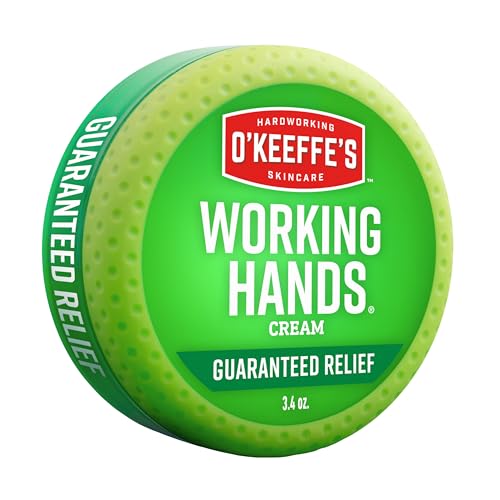
O’Keeffe’s Working Hands Hand Cream
The cult hand cream gardeners, dishwashers, and dry-climate readers have been finishing for years. Concentrated allantoin and glycerin formula, $8 a jar, repurchased constantly. Visible results in days.
9. They Use Castor Oil on Brows and Lashes
Brows and lashes thin with age (the same hormonal shifts that affect scalp hair affect facial hair, and over-plucked brows from the 1990s never quite came back). Castor oil is the cheap, old habit that comes up most often for working with what’s already there. It is high in ricinoleic acid, which conditions and smooths the hair shaft, and dense enough to coat brows without dripping into eyes. A drop on a clean spoolie at night, brushed through brows and along the lash line, is the entire technique.
Set the expectation correctly: castor oil does not grow new follicles. It conditions what’s there, slows breakage on the hairs already growing, and over a few months can make brows look fuller because more of the existing hair is hanging on. Anyone looking for actual regrowth needs a peptide or prostaglandin serum, both of which work and both of which cost 20 to 40 times as much. Kate Blanc Cosmetics is the bottle that comes up the most across communities (cold-pressed, hexane-free, USDA organic, $10) and reviewers tend to repurchase quarterly. Honest critiques: it’s messy, can clump if too much is applied, and patience is required (results show up around month three, not week three).
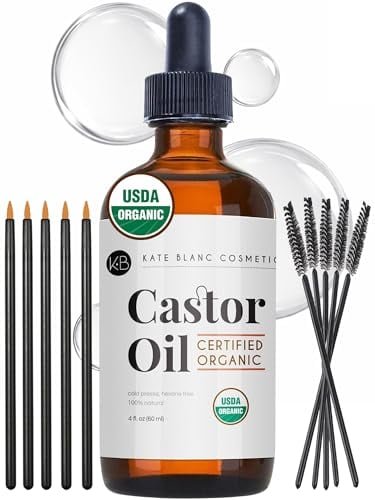
Kate Blanc Cosmetics Cold-Pressed Castor Oil
USDA organic, cold-pressed, hexane-free castor oil. Comes with a spoolie and dropper, which is most of the application battle. The cult brow and lash conditioner at the price of a coffee.
10. They Run a Humidifier From October Through March
Indoor heating drops humidity inside the house to around 10 to 20 percent through winter, which is drier than the Sahara on a typical day. Skin loses moisture through the surface (the technical term is transepidermal water loss, which translates to “moisture leaving through the skin”) at a faster rate when ambient air is drier. Past 60, when the skin produces less of its own surface oil, that loss compounds. A bedroom humidifier returns ambient moisture to a working range (40 to 50 percent) and is the closest thing to a free skincare product the average person owns.
Levoit’s Dual 150 is the bedroom model that comes up the most on Reddit and Amazon. The three liter top-fill tank runs around 25 hours per refill, the cool mist is ultrasonic and quiet enough to run all night, the unit doubles as an essential oil diffuser if that is the routine, and the whole thing comes in under $50. Reviewers report less morning dryness, fewer chapped lips, less of the tight-cheek feeling that signals overnight moisture loss, and (the unexpected payoff) noticeably less hair static through January. Honest critiques: any humidifier needs cleaning weekly to avoid mold (a vinegar rinse works, no bleach), the three liter tank is small for whole-room use beyond a bedroom, and the white plastic shell is utilitarian rather than design-forward.
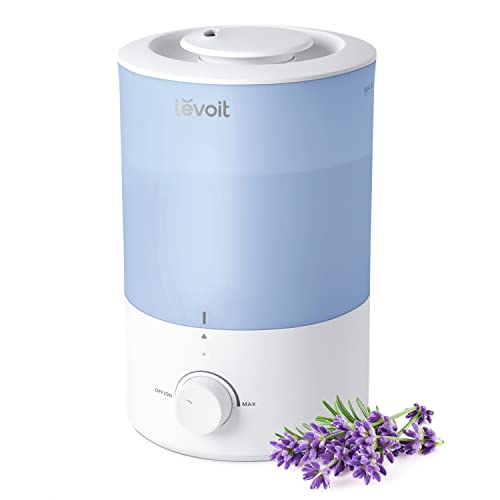
Levoit Dual 150 Cool Mist Humidifier
The bedroom humidifier that gets repurchased every couple of years. Three liter top-fill tank, 25 hours per fill, ultrasonic cool mist, under $50. Quiet enough to run all night.
A cruelty-free mark means the brand is certified by PETA, Leaping Bunny, or both at the time of writing. A missing mark doesn’t mean a brand tests on animals; it just means the brand isn’t certified by these programs.
What Our BEEs Are Buzzing About
Here’s what the beauty community is saying about these habits in action:
Want to become a Beauty Empties Expert?
BEEs get free products to test, exclusive discount codes from our brand partners, and live access to The Hive sessions with dermatologists and beauty editors. Spots are limited and hand-picked.
Related Articles
- 10 Common Beauty Habits That CAN Work Against Women Over 50 (and the Simple Swaps That Actually Help)
- 5 Makeup Mistakes That Instantly Age You (And How to Fix Them)
- The Best Moisturizers for Crepey Skin, According to Dermatologists
- What Nobody Tells You About Expensive Moisturizers
- Supergoop! SPF 40 Unseen Sunscreen Review





How do I make wrinkles above lip disappear, softrn, not so noticeable?