The 2-Minute Face Yoga Routine That Could Visibly Lift Your Face
A round of Botox runs about $400 to $700 every three to four months. A daily face yoga routine runs zero dollars, takes two minutes, and has built a real corner of the internet around the idea that it’s the no-needle version of what injectables do. The honest version of the answer is that face yoga doesn’t paralyze the muscles that create expression wrinkles the way Botox does, so it’s not a one-for-one swap. What it can do, per the strongest study we have to date, is build up the muscle layer underneath the skin enough to fill out the cheeks and shave a couple of years off the face that looks back at you in the mirror.
If you buy through our links, we may earn a small commission at no cost to you. As an Amazon Associate, we earn from qualifying purchases. Our policy
Face yoga is the practice of pressing your hands into your face and using your tongue to engage the muscles around your cheeks and jaw, held for short bursts in the same way you’d hold a plank. The two-minute starter routine below comes from Fumiko Takatsu, the Japanese trainer who founded the Face Yoga Method in 2006 and has since trained more than 450 instructors around the world. Northwestern dermatology has the only published trial on the practice (2018), and the cheek-fullness results are what most face yoga teachers point to first.
The 2-Minute Starter Routine
This is Fumiko Takatsu’s signature short routine, the one she puts out as a free starter on YouTube. Four moves, roughly two minutes, no equipment. She recommends doing it after you wash your face in the morning, when the muscles are warm and the slip from your moisturizer or serum makes the hand pressure feel more comfortable. The full video is here on her channel if you want to follow along in real time.
Move 1: The Forehead Lift (Yes, you might look funny!)
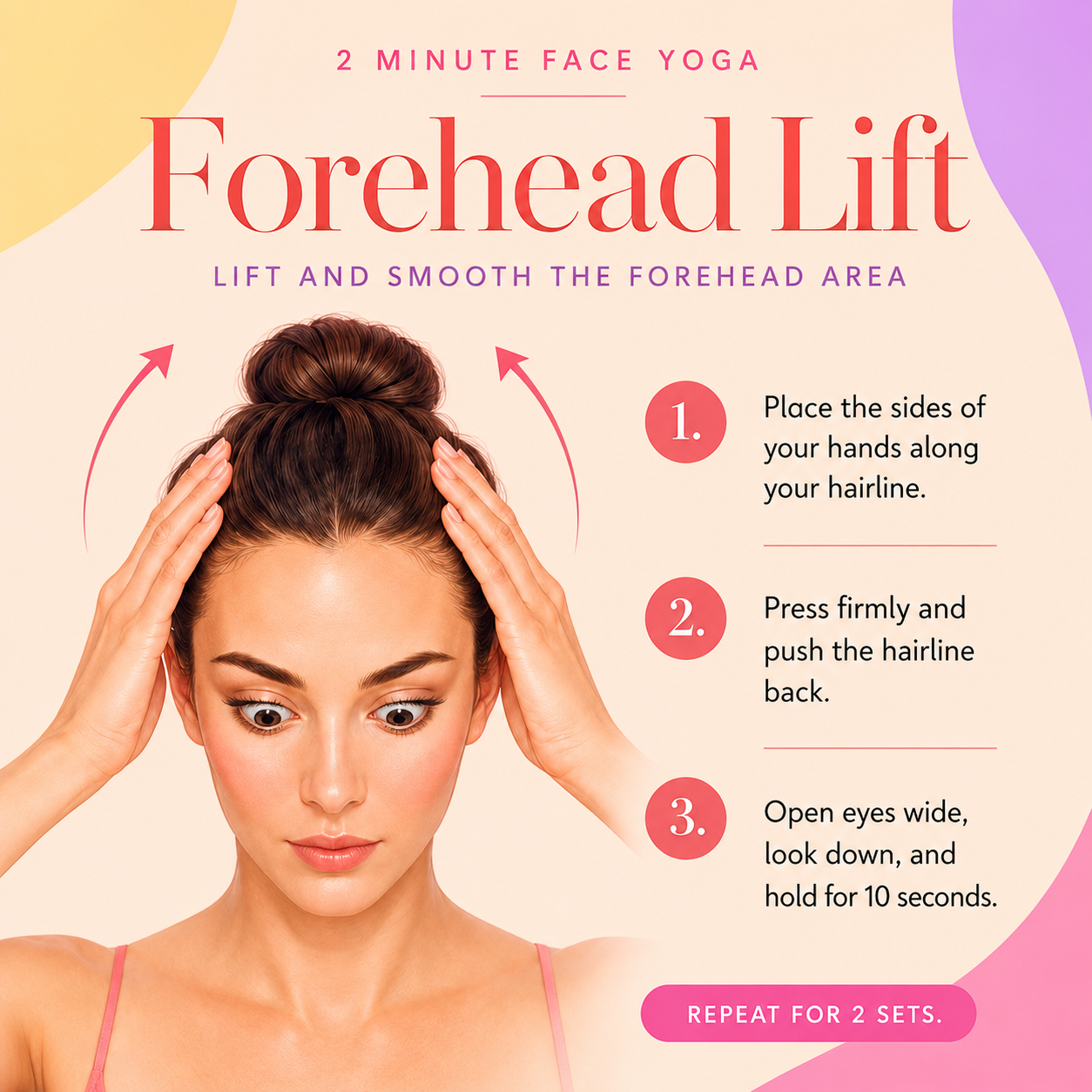
Place the sides of your hands flat along your hairline with your thumbs pointing down toward your ears, and make sure there’s no gap between your fingers and the hairline itself. Press in firmly and push the hairline back, keeping your shoulders relaxed and your forehead smooth (no scrunching, which is the move that creates new lines while you’re trying to soften the old ones). With the pressure held, open your eyes wide and look down toward the floor using your eyes only, not your chin. Hold for ten seconds, release, and repeat once. This wakes the upper face and lifts the brow area, and most people feel a real contraction in the forehead muscle by the second set.
Move 2: The Yummy Face
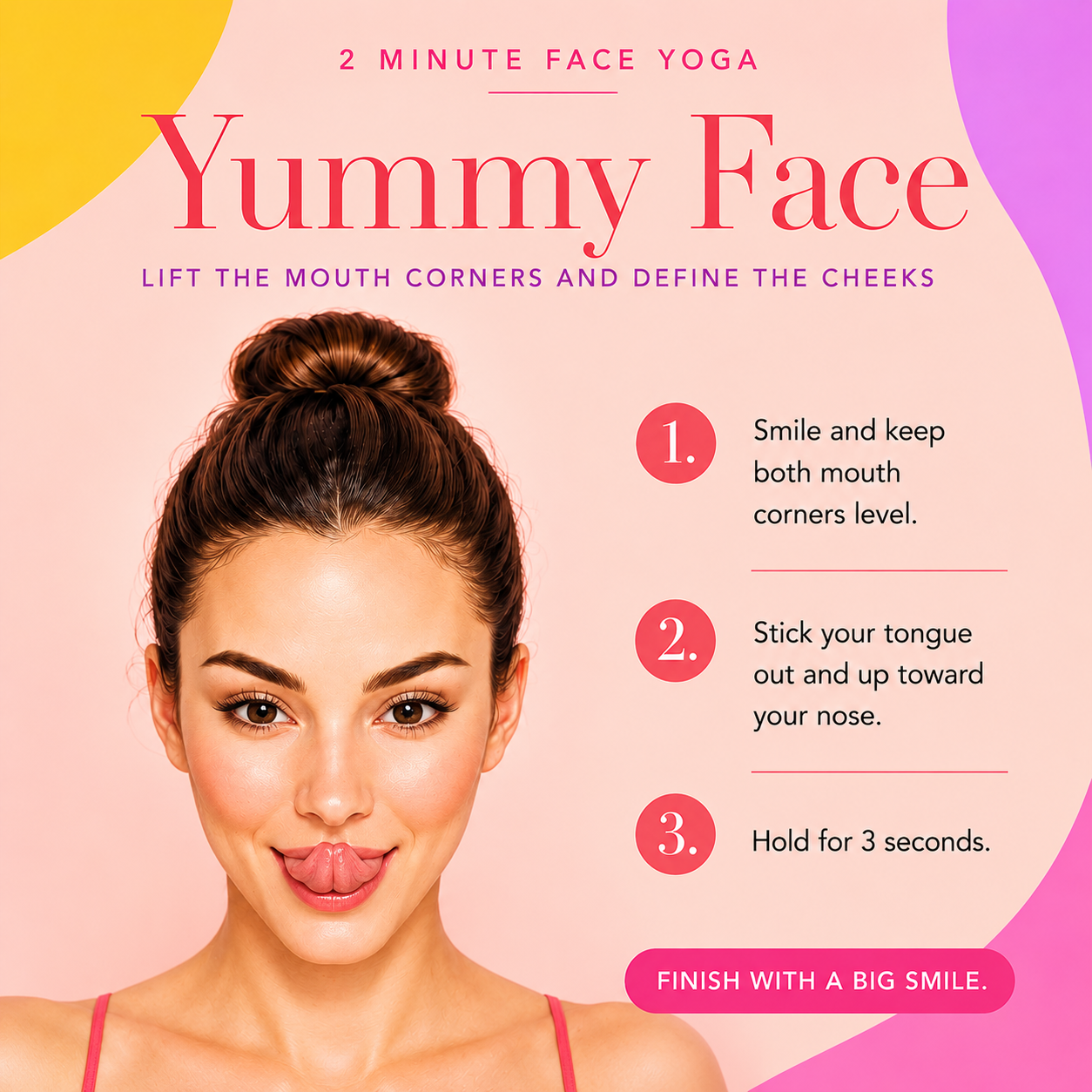
Smile with both corners of your mouth pulled level (uneven smiles are the most common form mistake here, and over time they build asymmetry rather than fix it). Stick your tongue out and reach up toward the tip of your nose without straining your neck. Hold for three seconds. This is the move that targets the cheek and upper lip muscles, which are the same muscles that lose tone and contribute to the flatter midface most people start noticing in their late forties and beyond.
Move 3: Tongue to the Side
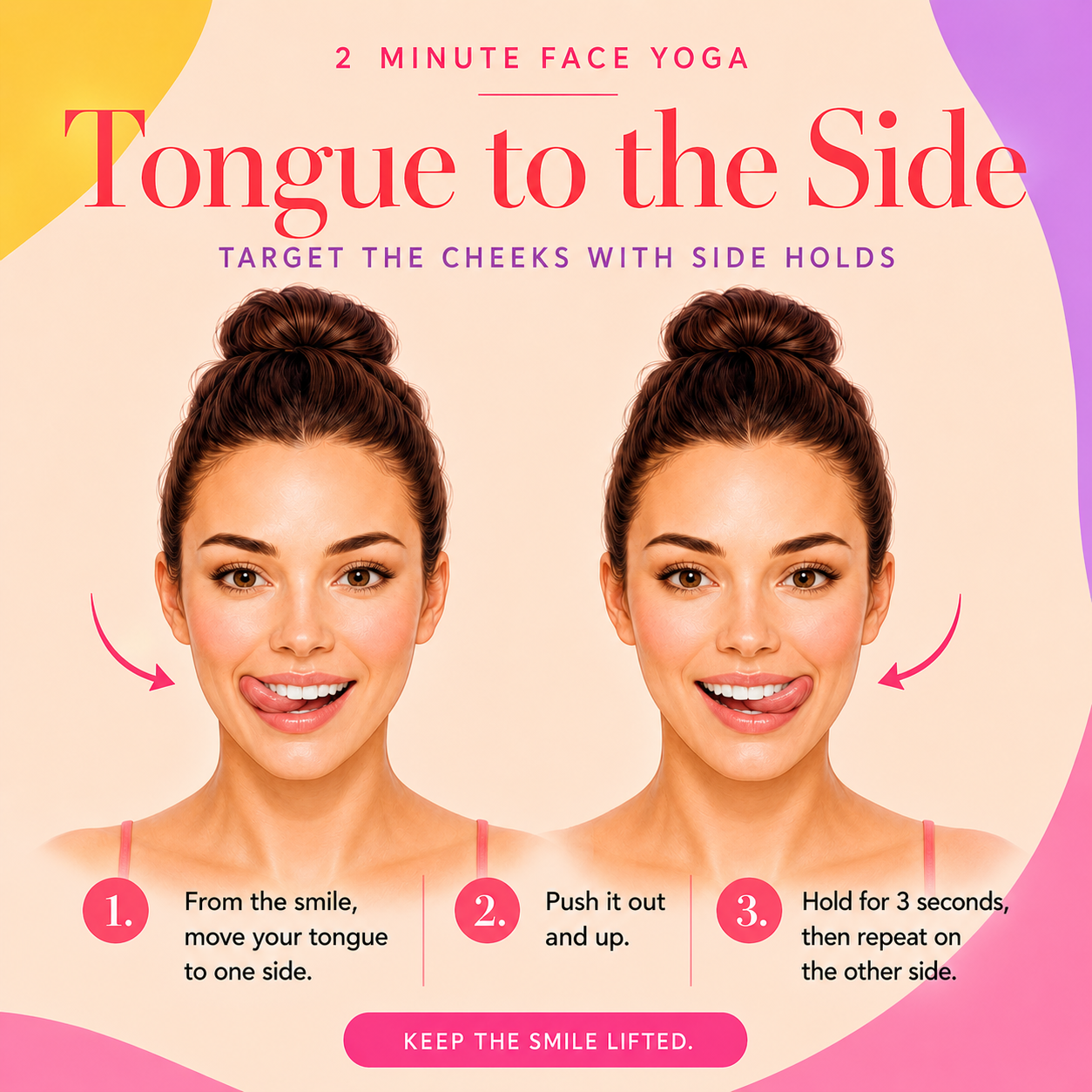
From the smile you’re already holding, move your tongue to one side and push it out and up, the way you’d push it into your cheek from the inside. Hold for three seconds, then switch and repeat on the other side. Keep the smile lifted the whole time, which is the part that engages the cheek. Without the smile holding the muscles in place, the side push turns into just a tongue movement and the rest of the face goes slack.
Optional Finish: Tap and Reset
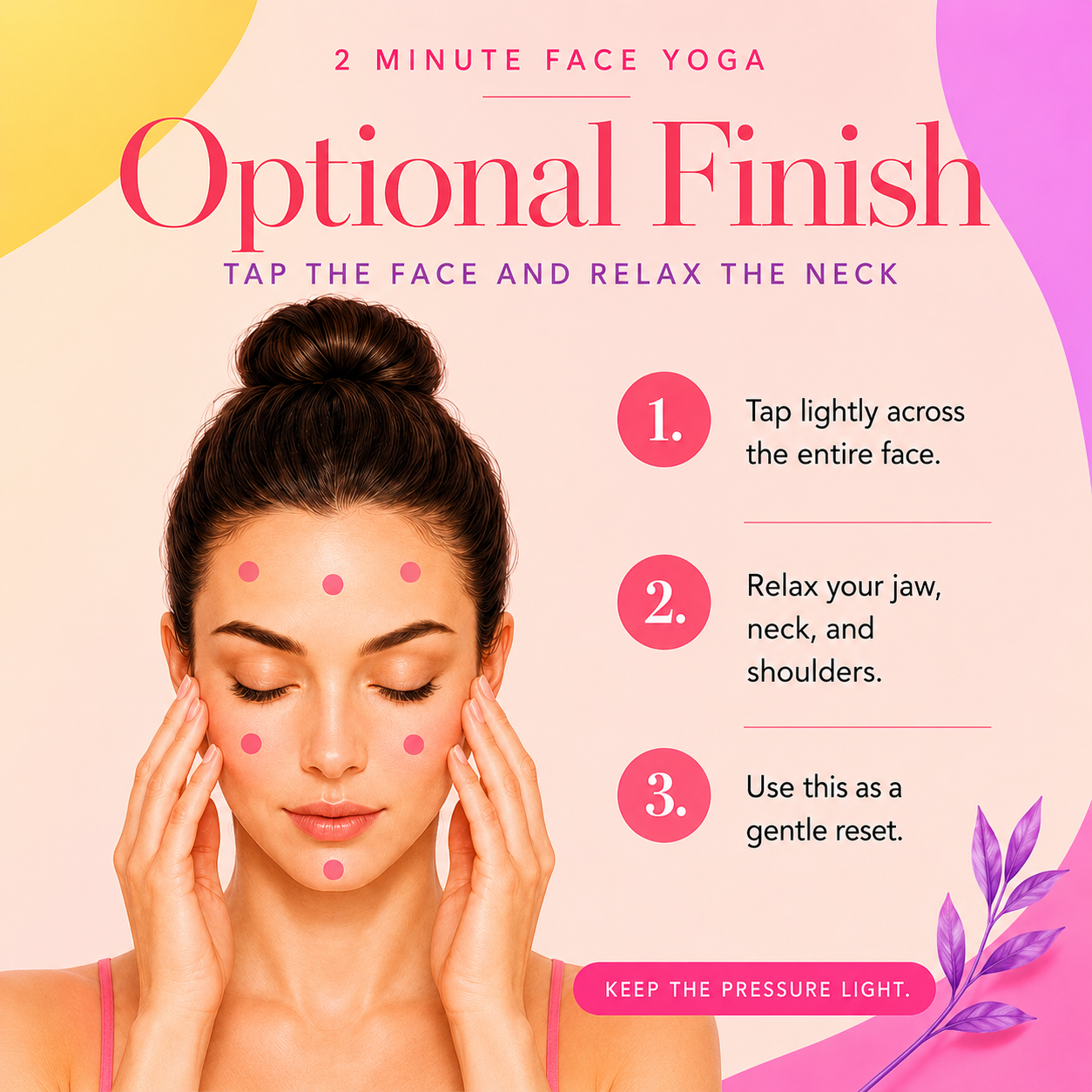
Use the pads of all your fingers to tap lightly across your forehead, cheeks, jaw, and under-eye area for about twenty seconds total. Keep the pressure light (the test is that it should feel like a soft rain, not a massage), and let your jaw, neck, and shoulders relax as you go. The tapping isn’t doing muscle work; it’s a circulation move and a way to let the face settle after the holds. Skip it if you’re short on time, but the routine ends better with it than without.
What the Research Actually Shows (and What It Doesn’t)
The strongest study on face yoga to date is a 2018 pilot trial out of Northwestern, led by Dr. Murad Alam (the board-certified dermatologist at Northwestern Feinberg School of Medicine who ran the trial) and published in JAMA Dermatology. Sixteen women with a mean age of about 54 completed a 20-week program of 32 different facial exercises, working their faces for 30 minutes a day for the first eight weeks and every other day after that. Two blinded physician raters scored before-and-after photos on the Merz-Carruthers Facial Aging Photoscales, and the cheek fullness results were significant on paper.
Upper cheek fullness improved from 1.8 to 1.1 on the scale, and lower cheek fullness improved from 1.6 to 0.9. The blinded perceived-age estimate dropped from 50.8 years before the program to 48.1 years after, a difference of about 2.7 years. Dr. Alam’s read on the mechanism: “The idea behind facial yoga is you’re working below that level, growing the muscle layer below the fat. The place where we noticed the biggest change was the cheeks.”
The authors were also honest about the limits. They flagged the small sample, the uncontrolled design, and the fact that the women who finished the trial were self-selected and likely more motivated than average. Outside the Northwestern study, board-certified dermatologists who endorse face yoga generally agree on the scope. Dr. Helyn Alvarez of Westlake Dermatology has called it “not snake oil,” with the caveat that “benefits of face yoga will be subtle and temporary” and that “facial exercises cannot tighten loose skin or reverse deeper anatomical changes… face yoga will never provide the type of results possible through professional in-office treatments.” That’s also why “natural Botox” is the wrong shorthand for what face yoga does. Botox paralyzes muscle activity to soften expression wrinkles; face yoga strengthens muscle to add fullness. They’re targeting two different mechanisms, and most face yoga practitioners are upfront that the practice pairs with injectables rather than replacing them.
How Often, and What Not to Do
The 30-minutes-a-day dose from the Northwestern study produced the published results, and almost no one outside a clinical trial sustains it. Among the practitioners with real teaching catalogs (Fumiko Takatsu, Danielle Collins, Shelly Marshall of Beauty Shamans), the realistic ask is closer to five minutes a day, done consistently, with the trade-off that the results take longer to show up. Danielle Collins puts the floor at two minutes, with most of her programs running between five and twenty depending on the goal. Fumiko’s own recommendation is eight to ten minutes daily.
For skin over 50, the form matters more than the duration. Dr. Jeffrey Spiegel (a facial plastic surgeon at Boston University School of Medicine) flags that “many of our facial wrinkles come from excess muscle activity” in the first place. The forehead lift, done with a scrunched brow, deepens the lines it’s supposed to soften, and holding a smile with squinted eyes does the same thing for crow’s feet. The fix is form: keep the forehead smooth during the forehead lift, keep your eyes open and unfocused during the smile holds, and place a finger gently next to the outer eye to feel for tension if you’re not sure. The other rule is slip, or the lubricating glide between hands and skin. Hands on dry skin pull and drag, which is the kind of friction the under-eye and jaw skin doesn’t need. A few drops of facial oil give the hands enough glide to do the muscle work without taking it out on the skin (a slick hyaluronic-acid serum works the same).
Where to Find More Exercises
Once the two-minute routine starts feeling automatic, the next step is usually adding a few targeted moves for the area you’re most interested in (eye, jaw, lower face). Four practitioners are worth following for that reason, each with a different specialty and format.
Fumiko Takatsu (the foundational teacher)
Fumiko founded the Face Yoga Method in Japan in 2006 after a car accident affected the symmetry of her own face, and her work has been covered by Good Morning America, the Today show, Cosmopolitan, and Vogue. Her free Full Face Yoga Routine on YouTube is the natural next step from the two-minute starter, and her instructor training has certified more than 450 teachers around the world. She self-describes as a “Pro Age Leader” and her teaching matches: the goal is supporting the face you have, not chasing a face you don’t.
Danielle Collins (the strongest 40-plus catalog)
Danielle is a UK-based face yoga teacher with 16-plus years of practice, a bestselling book, and a deep YouTube library organized by age and concern. Her 20-Minute Face Yoga For Your 40s is the most-watched of her age-targeted routines, and her Daily Over 40 Face Yoga for a Sculpted Lower Face is the one to bookmark if jowls and jaw tone are the priority. She also publishes a two-minute journal-format routine for days when even five minutes feels like too much.
Ada Ooi (the credentialed Instagram source)
Ada Ooi (a licensed traditional Chinese medicine practitioner, acupuncturist, and the founder of 001 Skincare London) trains royal-and-celebrity clients in a combined face massage and acupuncture method that British Vogue has called “truly revolutionary.” Her Instagram @adaooi is the one to follow for short daily prompts and lifted-jawline tutorials from someone with real clinical credentials. Her work has also been covered in Vanity Fair and Grazia.
Shelly Marshall / Beauty Shamans (buccal massage and more)
Shelly Marshall is a cosmetic nurse injector turned holistic esthetician with more than fifteen years in the industry, and her Beauty Shamans Instagram (@beautyshamans, around one million followers) is the home of face-sculpting, lymphatic-drainage, and gua sha content with a sharper edge than the typical face yoga channel. Her on-demand library at Skin Within Studio runs from five-minute mini routines to twenty-minute deeper sessions. She also teaches buccal massage, which is the practice of working the cheek muscles from inside the mouth (the same technique facialists like Nichola Joss use on celebrity clients before red carpets). Buccal is a different mechanic from face yoga, but the two layer well for anyone willing to do both.
What to Use Alongside It
None of the products below are required to do face yoga (the routine itself runs on zero dollars). But some products pair naturally with the practice once it’s a daily habit. “Slip” products (oils, serums, balms that lubricate the skin) give the hands enough glide to work without pulling at the skin, and tools (gua sha stones, face cups, jade rollers) cover the adjacent moves face yoga doesn’t do on its own. Stronger ingredients like peptides and retinoids handle the slower long-term collagen work over weeks. And on heavier days, a quick recovery mist or mask helps settle the face after a longer session.
Slip: The Ordinary 100% Organic Cold-Pressed Rose Hip Seed Oil
The Ordinary’s Rose Hip Oil is the most-finished face oil in the BEE community at any price point under $15. Cold-pressed rosehip oil is high in vitamin A precursors (a mild natural form of retinoid) and linoleic acid, which is the fatty acid older skin tends to have less of.
From the Hive
The buzz from our Beauty Empties Experts. Sign up to join!
BEEs reach for this when they want a face oil that does double duty as massage slip without the price tag of Vintner’s Daughter or U Beauty. The pump bottle is the recurring complaint (it can clog after a few months of daily use, and the workaround is decanting into a glass dropper bottle from the start). BEEs with very oily skin rotate it with squalane on alternating mornings because rosehip alone reads too rich. The half-ounce travel-size sells out faster than the full-size at most retailers, and it’s the one BEEs name as the easiest to throw in a carry-on.
The oil sinks in fast enough that the slip is still there after a minute of hand work, and it doesn’t leave the kind of residue that makes you need to wash your face afterward. A few drops on warm hands is the dose for one face yoga session.
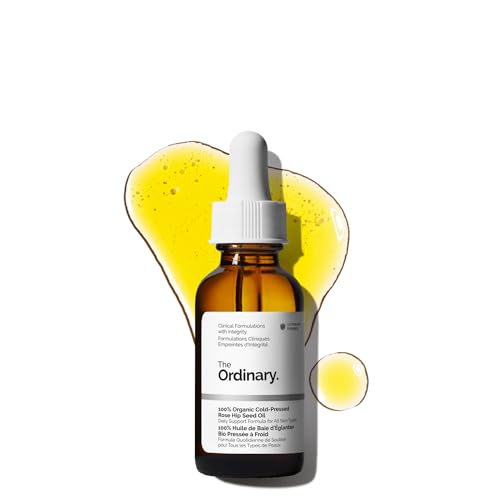
The Ordinary 100% Organic Cold-Pressed Rose Hip Seed Oil
The most-finished face oil in the BEE community under $15. Sinks in fast enough to hold slip through a full face yoga session, with vitamin A precursors and linoleic acid for older skin. Certified cruelty-free (PETA).
Tool: Mount Lai Jade Gua Sha
Gua sha is a different mechanic than face yoga (passive stroking and lymphatic drainage rather than active muscle holds), but the two pair well, especially on days when the face feels puffy and the regular routine isn’t enough on its own.
From the Hive
The Mount Lai jade is the gua sha BEEs keep using past month one, and the brand’s free technique videos are the reason. The Wildling Empress Stone is the splurge alternative most BEEs cross-shop, and the Wildling’s jaw-contoured edge can feel sharper if you’ve already worked the jaw muscles with face yoga. A small subset of BEEs keep the stone in the fridge between uses for the cooling effect on puffiness, and the recurring complaint is that the jade chips easily on a hard counter, which makes a small silicone protective sleeve a worthwhile add-on.
Mount Lai’s jade gua sha is the most-emptied gua sha in the BEE community, partly because the shape works for most face types and partly because the brand publishes clear technique videos so the tool doesn’t sit unused in a drawer. The strokes always move out and down from the center of the face, with the oil already applied to the skin first.
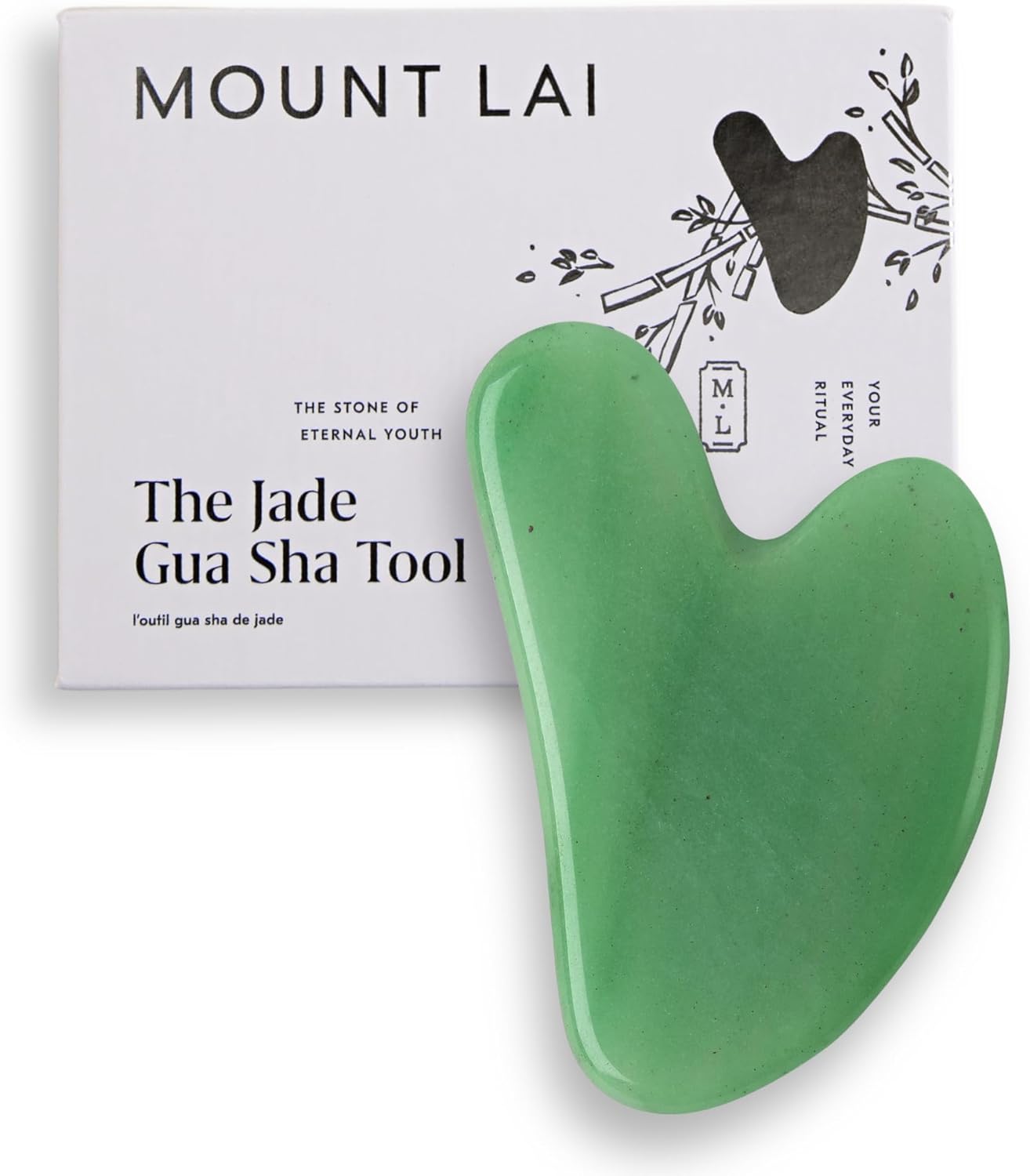
Mount Lai Jade Gua Sha
The gua sha BEEs reach for most often. Shape works for most face types, brand publishes clear technique videos, and the price stays under $40.
Long-Term Builder: Medik8 Crystal Retinal 6
Face yoga builds muscle and Botox softens expression lines, but neither one rebuilds collagen the way a stabilized retinoid does. Medik8 Crystal Retinal is the retinaldehyde-based serum dermatologists most often recommend for skin over 50 because retinaldehyde is one conversion step closer to retinoic acid (the prescription ingredient in tretinoin) than standard retinol, which means it works faster with less of the initial irritation.
From the Hive
Crystal Retinal 6 is the version BEEs name as the right starting point for skin coming off a long retinoid break, and several name the 10 strength as where they end up after about six months at the 6. The texture is lighter than the RoC night cream most BEEs started with at 40, and the airless pump packaging stays stable longer than dropper-style retinols. The recurring critique is the price (around $79 in the US, which puts it firmly in the splurge tier for a single serum), and the workaround is the Medik8 sale calendar (the brand discounts twice a year, and BEEs who track it stock up then). A handful of BEEs report a brief adjustment period of mild dryness through week three before the skin settles.
The 6 strength is the right starting point for skin that hasn’t used a retinoid recently. Apply at night only, on dry skin, never the same night as a chemical exfoliant.
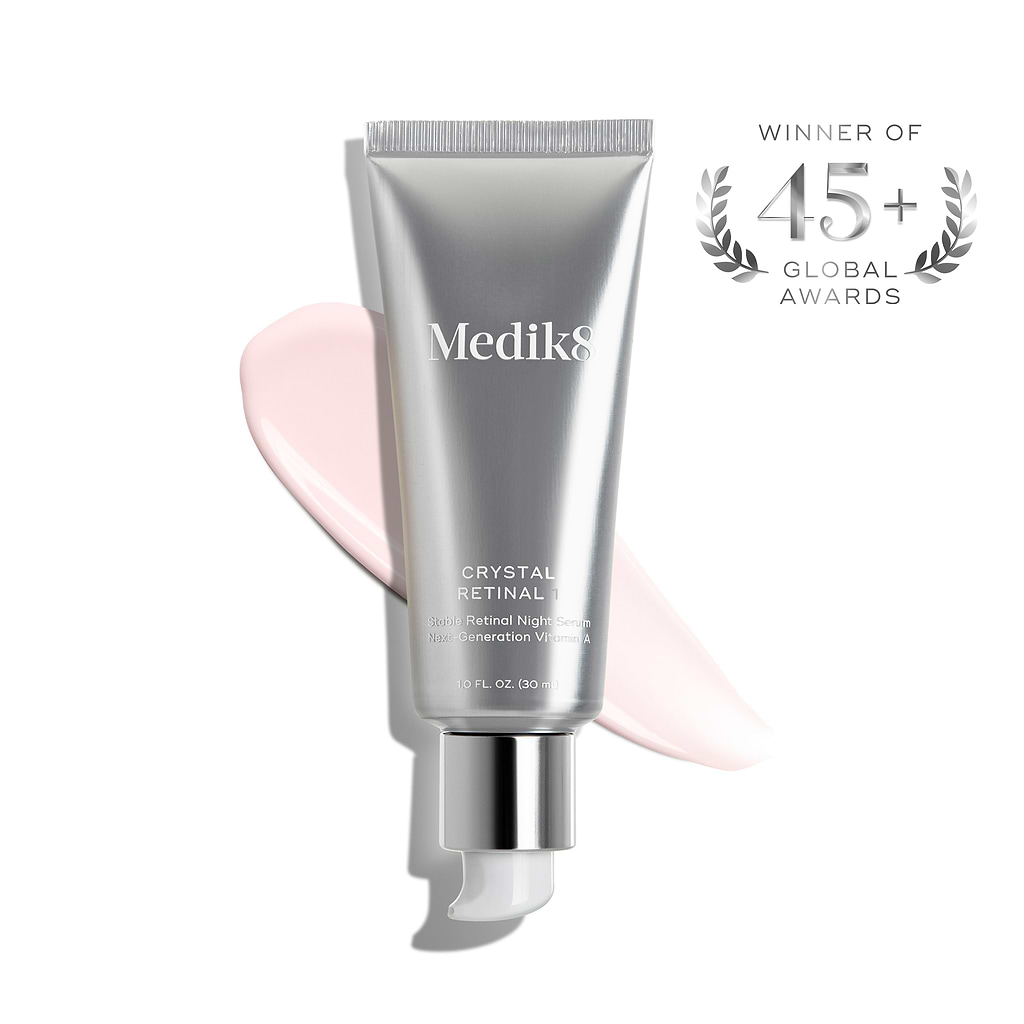
Medik8 Crystal Retinal 6
The retinaldehyde-based serum derms recommend for skin over 50. One conversion step closer to retinoic acid than standard retinol, so it works faster with less initial irritation.
Recovery: Caudalie Beauty Elixir
BEEs reach for this mist after a longer face yoga session or any time the face feels overworked. Caudalie’s Beauty Elixir has been on the market since 1997 and the formula hasn’t changed, which is part of why it has more finished bottles in the BEE community than any other facial mist.
From the Hive
BEEs treat Beauty Elixir as the makeup-setting spray they wish more makeup-setting sprays were, with a cool finish and a faint herbal scent that grows on most BEEs by the second bottle. The mint and rosemary in the formula are the most divisive parts (a small subset of BEEs report mild stinging if applied to skin still warm from a hot shower), and the workaround is letting the face cool for a minute first. The trial-size 1oz bottle is the highest-repurchase format in the community because it fits in a carry-on and lasts about a month of post-routine use. A few BEEs spritz a clean gua sha or jade roller with it between sessions instead of soap and water.
Grape extract, rosemary, mint, and orange blossom water hit the face cool and dry down with a subtle tightening sensation that pairs well with the kind of muscle work face yoga puts the skin through. Three to five mist sprays on the face after the routine is the dose.
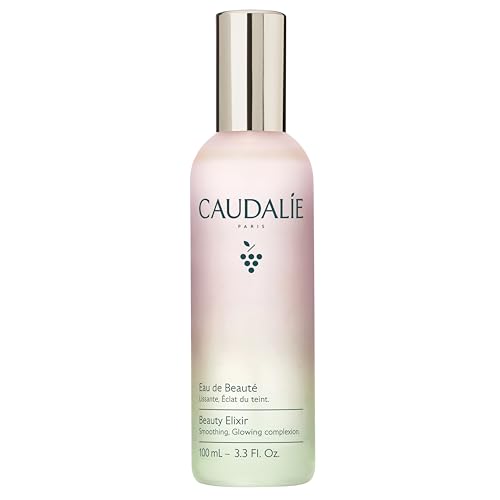
Caudalie Beauty Elixir
The 1997 formula BEEs have been finishing since the original 1.7oz bottle. Grape, rosemary, mint, and orange blossom water for a cool dry-down after the routine.
The Buzz
Fumiko Takatsu founded the Face Yoga Method in 2006 after a car accident in 2003 affected the symmetry of her own face. She has since trained more than 450 certified instructors worldwide and self-describes as a “Pro Age Leader,” with media coverage in Vogue, Cosmopolitan, the Today show, and Good Morning America.
A cruelty-free mark means the brand is certified by PETA, Leaping Bunny, or both at the time of writing. A missing mark doesn’t mean a brand tests on animals; it just means the brand isn’t certified by these programs.
What Our BEEs Are Buzzing About
Here’s what the beauty community is saying about these products:
Want to become a Beauty Empties Expert?
BEEs get free products to test, exclusive discount codes from our brand partners, and live access to The Hive sessions with dermatologists and beauty editors. Spots are limited and hand-picked.