How to Give Yourself a Luxurious At-Home Facial
A facial runs $150 to $300, and that’s before the LED-panel and “oxygen treatment” upsells the front desk pitches you on the way in. But most of that hour is product application you could do yourself, and rushing it doesn’t help. Skin takes its time no matter how fast the layers go on. The part actually worth paying for, the facialist’s hands on your face, is closer to thirty minutes than the full sixty.
If you buy through our links, we may earn a small commission at no cost to you. As an Amazon Associate, we earn from qualifying purchases. Our policy
The at-home version skips the hands, and that’s the one thing you give up. It adds back everything the spa has to cut for time: layered products that get enough time to actually do anything, a hot towel without a turnover timer, and lights low enough to make the whole thing feel like a real night (or day) off rather than another item on the to-do list.
1. Start with the room
The setup matters more than people think. A hot shower softens the skin’s surface, and twenty minutes of quiet does the rest. Before you start, set out a big towel, a hot wrung-out washcloth, a glass of water, and your phone somewhere it can’t interrupt you.
Lighting matters too. Swap the bright overheads for a lamp or a candle, and keep the room warm, because a cold bathroom makes your skin tighten the second you walk in.
2. The double cleanse, and why the order matters
The first cleanser does the heaviest work. SPF, makeup, and the day’s pollution all come off in this pass, and water cleansers can’t really grip any of it without scrubbing, so this one has to be oil- or balm-based. The second cleanser goes on after the first is rinsed, applied to wet skin, and takes off whatever residue is left to get down to your actual skin.
Skip this step and the products you put on next never really reach your skin. A film stays on the surface, and any serum applied over it just sits on the film instead of absorbing. It’s one of the most common reasons at-home routines stop working over time.
The community is blunt about how much this one step changes things. “Double cleansing with the right cleansing balm was a complete game changer for me. You just have to find a cleansing balm that works for you,” one commenter writes.
Spend two full minutes on each cleanser, working slow circles until your hands feel warm. Scrubbing won’t get you there faster, and if you already use a BHA or retinoid most nights, it can leave your skin red and easily irritated.
Heimish All Clean Balm
The Korean skincare community has rebuilt this oil-based first cleanser for nearly a decade. It starts as a solid balm, turns to a milky oil on warm skin, then rinses clean the moment a wet washcloth touches your face.
From the Hive
The buzz from our Beauty Empties Experts. Sign up to join!
BEEs lean on this for full-makeup days and full-SPF days, which for most people is most days. Winter is when the texture frustrates BEEs the most, because the balm goes harder in a cold bathroom and takes longer to warm up between the fingers before it’ll melt on skin (the workaround BEEs settle on is scooping the amount they need first, holding it in the palm for ten seconds, then applying). If it only comes out on facial nights, a four-ounce jar lasts most BEEs about six months.
“I use the Heimish all clean balm and I absolutely love it. I’ve also used inkey list oat cleansing balm and it was good but I prefer the heimish one,” one commenter says.
The jar isn’t ideal for travel, and the texture goes harder in a cold bathroom. Save it for nights you’ve worn full SPF, full makeup, or both, since on a bare-skin morning you can get away with something simpler.
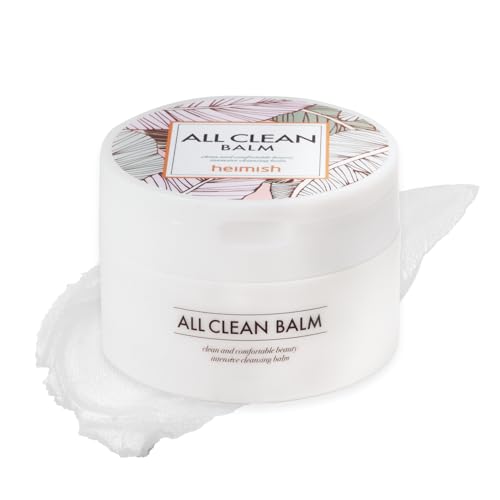
Heimish All Clean Balm
The #1 pick for the first cleanse. A solid balm that melts into a milky oil on contact with skin, then emulsifies into a watery wash on contact with the wet washcloth. Built around shea butter, jojoba, and sweet almond oil.
CeraVe Hydrating Facial Cleanser
Dermatologists have pointed patients to this non-foaming, fragrance-free cleanser for over a decade. Three ceramides, hyaluronic acid, and glycerin take off residue without stripping moisture. That is all a second cleanser needs to do.
From the Hive
Most BEEs use this one for the second cleanse, because it doesn’t fight with anything you might put on top of it later. The most common gripe is the pump, which usually stops drawing product well before the bottle is empty, leaving BEEs to either decant into a different pump bottle or unscrew the cap to scoop the last bit out by hand.
On its own, this cleanser won’t take off a full face of makeup, so it works best after an oil cleanse rather than alone. The 16-ounce bottle is the version most people land on, and a smaller travel size also exists if you’re testing it before committing.
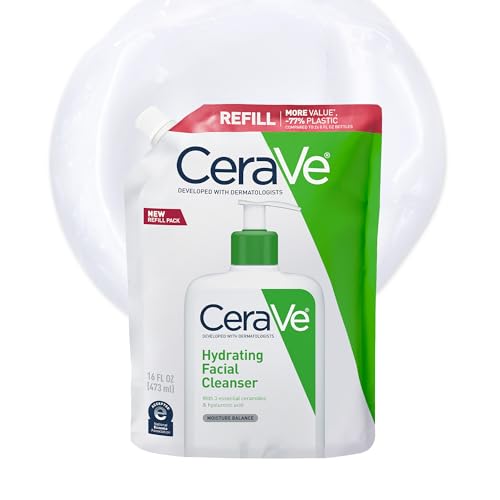
CeraVe Hydrating Facial Cleanser
The #1 pick for the second cleanse. A non-foaming, fragrance-free cleanser with ceramides, hyaluronic acid, and glycerin that takes off the residue from the oil cleanse without stripping anything else.
3. Steam your face the way a facialist would
Steam doesn’t actually open your pores (they have no muscles to open and close, despite what the spa brochure implies). What it does is warm the skin and soften the oil and debris sitting in them, half the reason extractions go so smoothly afterward. The kitchen version costs nothing: bring a pot of water to a boil, take it off the heat, set it on a heatproof mat, then sit with your face about a foot above it, a towel tented over your head, and breathe slowly for five to seven minutes.
Two things matter for safety. The water has to be off the heat before your face goes near it, and a foot away is as close as you should get. If your skin is reactive or rosacea-prone, skip steam entirely and press a hot wrung-out washcloth over your face for the same five minutes instead.
(Hot showers don’t quite replace this step. The steam evaporates the second you step out, and your skin’s surface temperature drops fast right after. Directed steam from a pot under a towel holds the heat against your face for the whole five minutes instead.)
Ever since I was young I’ve loved steaming my face. My method was a pasta pot of boiled water and a towel over my head, and here’s something controversial: now that I own an actual facial steamer, I think the pasta pot works better. My perfect Sunday is deep conditioner in my hair, rinse it out, hair wrapped in a towel, steam, then a mask. If I pull that off before Monday, that was my at-home facial.
4. Pick one acid and stop there
Steam softens what’s sitting on the surface, and a chemical exfoliant takes it off. Salicylic acid (BHA) reaches deeper into the pore than glycolic, lactic, or mandelic (the AHAs), so it’s the usual pick for the exfoliation step. AHAs work fine too if BHAs don’t agree with your skin, but one acid is the rule either way; combining two or three sets you up for redness and irritation by morning.
Swipe it on with a cotton pad over your cheeks, forehead, chin, and the sides of your nose, staying clear of right under your eyes. Wait five to ten minutes. A little pink during that wait is normal and fades within the hour.
If you’re using retinoids (prescription or the drugstore kind) on a regular schedule, skip them tonight. Stacking a BHA, a retinoid, and a mask in the same evening is how you end up with red, raw, peeling skin the next morning.
One reviewer says the 2% BHA “significantly smoothed my pores and improved my skin texture”. A glycolic fan adds the caveat: she still reaches for the 2% BHA “for clogged pores and sebaceous filaments”, but “what gave me the glow and changed the texture of my skin is glycolic acid”.
Paula’s Choice Skin Perfecting 2% BHA Liquid Exfoliant
Dermatologists have kept this at the top of their BHA picks for over twenty years. It’s 2% salicylic acid at a low enough pH to actually work, and because salicylic is oil-soluble, it slips into the pore lining instead of just sitting on the surface.
From the Hive
BEEs keep buying this BHA even when newer dupes hit the market, mostly because none of them perform exactly the same way at the same pH.
The formula can leave a slight tackiness if you don’t wait the full five to ten minutes before layering anything on top, and the faint herbal scent takes some getting used to. The four-ounce bottle is now around $35, no longer the cheapest BHA you can buy but still well under the cost of any single facial.
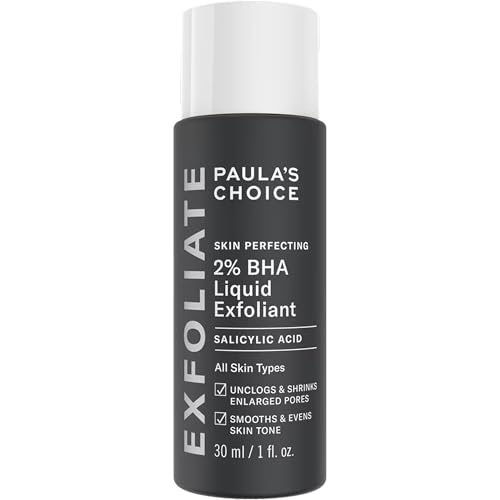
Paula’s Choice Skin Perfecting 2% BHA Liquid Exfoliant
The #1 pick for the acid step. A leave-on liquid with 2% salicylic acid at a pH that lets the acid work, plus green tea extract for anti-inflammatory backup. Certified cruelty-free (PETA).
5. Apply the mask thicker than you think
Two kinds of masks make sense here, depending on what you want by the end. Go with a gel-based hydrating mask if you want plump, dewy skin. A clay mask is the better pick for actively oily skin or congestion you’re trying to draw out. Sheet masks work too, but they slide on warm skin during a longer routine, where the gel and clay options stay put on their own.
For masks, I love the Kiehl’s clay mask, and I’m a big fan of the Aztec one, the Indian Healing Clay. You put that on and your face is pulsating. The only catch is that I’m lazy, and I like things that are premade. If a mask is premade and not too messy, where I don’t have to add water and get it everywhere, that’s what I’ll actually reach for. But my real preference is the Aztec, and writing this is reminding me to use it this Sunday.
Go thicker than the packaging suggests, especially on the cheeks and forehead, and leave it ten to fifteen minutes. The waiting is the step, so put the phone down and let it work.
Wipe off, or rinse depending on the mask, with the warm wet washcloth you got ready earlier.
Summer Fridays Jet Lag Mask
Jet Lag Mask launched Summer Fridays as a brand, then stayed at the top of beauty editor lists for years on its own merits. The formula combines hyaluronic acid, niacinamide, glycerin, and antioxidants in a texture thick enough to sit on the skin without slipping during a longer routine. It also doubles as a leave-on overnight treatment between facials, and that second job is why the tube gets finished instead of abandoned in a drawer after two uses.
Price and scent are the two sticking points. It’s still a splurge per ounce even after Summer Fridays sized the tube up to 2.25 oz, especially given this is the step where you’re applying a thicker layer than usual, and the faintly green smell from the antioxidants splits opinion (a small handful of reviewers with very sensitive skin also flag mild stinging on the first application).
Opinions are split on this one, so it helps to see both before you spend $49. “I love the summer fridays jet lag mask. It’s rich and heavy, which is exactly what I’m looking for in a nightly moisturizer,” one fan writes, and another: “I apply a thick layer before bed, my skin has soaked it all up! Magic!” The other camp is just as loud: “I don’t find the jet lag mask anything exciting, if anything it feels almost waxy on my skin,” and one reviewer who rarely breaks out reported “the worst breakout of my adult life when I tried the Summer Fridays jet lag mask.”
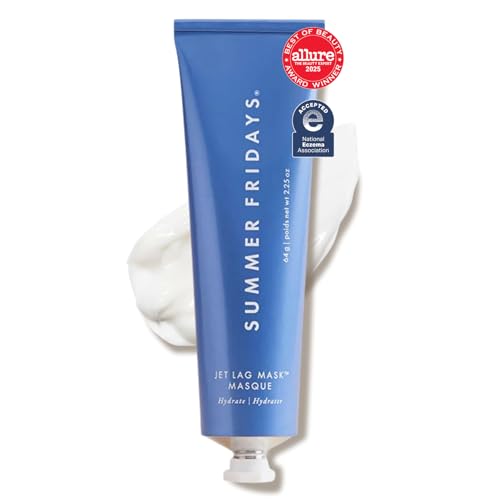
Summer Fridays Jet Lag Mask
The #1 pick for the hydrating mask step. A gel-cream mask with hyaluronic acid, niacinamide, glycerin, and antioxidants that doubles as a leave-on overnight treatment when you’re not in facial mode. The 2.25-ounce tube is the current full size; a mini exists for travel. Certified cruelty-free (Leaping Bunny).
BEEs put this in the same camp as a good silk pillowcase, the kind that’s easy to skip in theory and hard to give up once you’ve tried it. The ones finishing a tube every two months tend to keep a cheaper drugstore gel mask in rotation for the in-between weeks. As for the scent, most BEEs say it grows on them.
6. Massage with a stone or roller for five minutes
A facialist’s hands are the hardest part of a $250 spa visit to recreate at home. They’re also the easiest part to half-recreate, with a gua sha stone or a roller, used on skin that’s still damp from the mask wipe so the tool glides instead of dragging.
The motion is upward and outward, in three passes: chin along the jaw to the ear, nose along the cheekbone to the temple, and between the brows up to the hairline. Light pressure near your eyes, firmer on your cheeks and jaw, and stop at five minutes. The benefit levels off there.
Skin should feel warmer and look slightly more contoured right after. The lymphatic effect (less puffiness, especially under the eyes) tends to show up the next morning.
The depuffing is the part reviewers actually agree on. “I keep it in the freezer and use it in the morning. It super helps with puffiness and making me look less tired,” one commenter says of her jade roller. Another is honest about the ceiling: “I do gua sha on my face every morning and it does help to depuff but I don’t see any other results.” Cold and consistency do most of the work.
Wildling Empress Stone
The Empress Stone helped push gua sha mainstream. It’s hand-carved with three edges (a long curve for the jaw, a comb edge for the neck, a notch for under the eye) that fit the face better than the standard heart-shaped stones.
The price is what stings. At $89 it’s a steep buy when a $20 rose quartz gua sha covers most of the same motions, and what you’re paying for is the edge shapes fitting your face more precisely, not the material doing anything different. The first few sessions feel awkward, too, and it takes a couple of nights for the motions to feel natural.
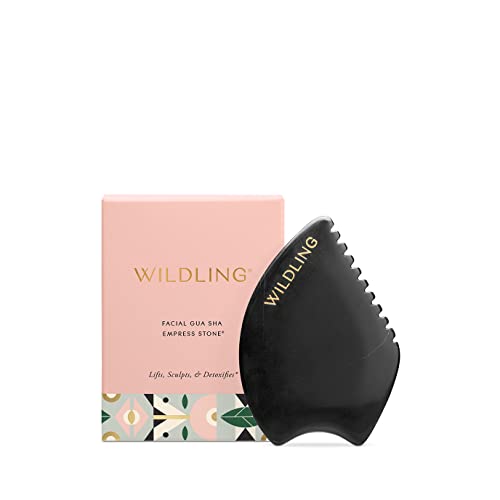
Wildling Empress Stone
The #1 pick for the massage step. A hand-carved gua sha tool with three edges (the long curve for the jawline, the comb edge for the neck and brow, and the small notch for the under-eye area). Comes with a printed guide and access to the brand’s video tutorials. Certified cruelty-free (PETA).
BEEs who own one tend to use it twice a week rather than nightly, and the ones who started on a cheaper rose quartz stone are split on whether the upgrade was worth it. The learning curve is real too; watching one video tutorial before the first use saves a week of guessing your way through it.
7. Press a treatment serum in for two full minutes
A real treatment serum pressed into damp skin with the fingertips for two full minutes is where the at-home version closes the gap on the spa. Pressing the product into skin is what makes the difference. Patting it onto the surface doesn’t do the same thing.
Warm three to five drops between your palms, then press the serum in section by section: cheeks, forehead, jawline, then around the eyes and lips. Take the full two minutes, no rushing.
Vintner’s Daughter Active Botanical Serum
Vintner’s Daughter built its name on the pressing-in technique itself rather than one hero ingredient. Twenty-two organic botanicals are infused over three weeks, and a 30ml bottle lasts six to eight months. At this price, that is the only consolation.
From the Hive
BEEs who’ve made the splurge stay loyal, finishing the bottles rather than abandoning them halfway through, and at $195 nobody finishes a bottle out of politeness. BEEs are clear this is a once-a-week-facial product, not a daily moisturizer replacement, and most settle on using it only at night after the mask step.
The $195 price is the hardest critique to argue with, and it makes this the most expensive thing in the routine by a wide margin. The strong herbal scent isn’t for everyone, and a few find the oil too rich for daytime even though the brand sells it for both. If you break out easily in the t-zone, skip it there.
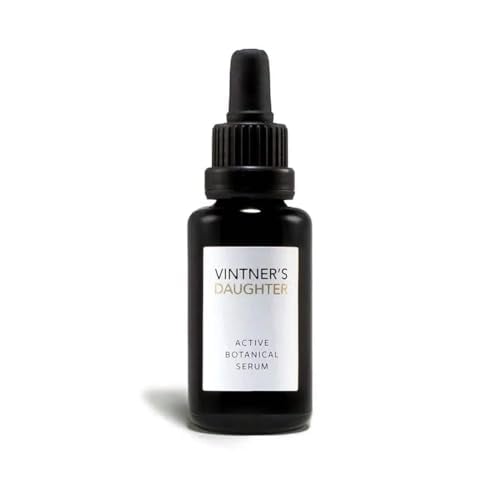
Vintner’s Daughter Active Botanical Serum
The #1 pick for the press-in serum step. A face oil with 22 organic botanicals (no fillers, no synthetics) designed around the pressing-in application technique. The 30ml bottle lasts six to eight months at the three-to-five drop dose. Certified cruelty-free (Leaping Bunny).
8. Lock everything in with the last layer
A rich nighttime cream sealed under a thin layer of a balm holds in everything you just spent forty-five minutes putting on. The balm stops moisture from evaporating off the skin overnight, so you wake up soft instead of tight.
Anything richer than your day moisturizer works as the cream layer, with a heavier balm on top to hold it all in. Use the balm on your cheeks, around your mouth, and the eye area, and skip your t-zone if you break out there, since the same balm that locks moisture in locks oil in too.
(While you’re at it, dab on a lip balm and a single drop of an eye treatment with this final layer. The lips and the eye area are usually the first places to look tired the next morning when they get skipped.)
Weleda Skin Food
Skin Food has been in production for nearly a century and lived in makeup artists’ kits the whole time, on chamomile, calendula, and sunflower oil in a balm dense enough to be the final seal of a routine.
From the Hive
A pea-sized amount warmed between the fingertips is the standard BEE dose, applied to just the dry-prone areas of the face. The texture is the most common complaint, since this is a thick, herbal-smelling balm that wasn’t designed for full-face daily use, and BEEs who try it that way usually back off within a week. Breakout-prone BEEs also report it triggers congestion on the t-zone if used too generously, while using it on lips and cuticles is what keeps the tube in rotation between facial nights.
That kit reputation holds up off the record too. “i work on set with a lot of makeup artists and the big glow secret is weleda skin food,” one commenter let slip. The glass-skin reports come from the driest faces: “This gives me beautiful glass skin and I have VERY dry skin,” says one, while a reviewer in bone-dry Colorado warns “It is super thick and you reallllly have to warm it up in your hands.”
The texture is the trade-off, and this was never meant to be an all-over face cream. This is a thick, herbal-smelling balm meant for spot use on the dry-prone areas (cheeks, around the mouth, the eye corners, the lips, and cuticles), with a t-zone exception for anyone whose skin already breaks out easily there.
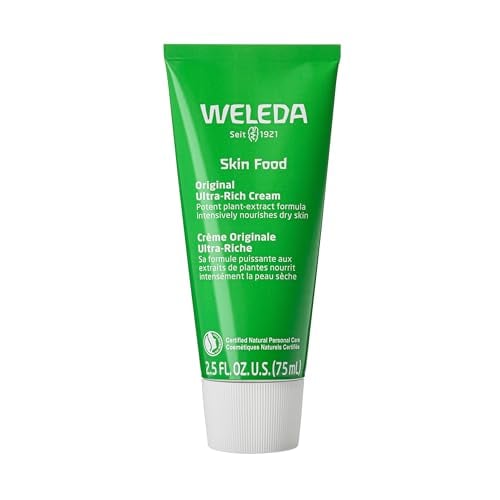
Weleda Skin Food
The #1 pick for the final balm layer. A botanical balm with chamomile, calendula, pansy, and sunflower oil that’s been around for nearly a century and gets repurchased by makeup artists for a reason.
A cruelty-free mark means the brand is certified by PETA, Leaping Bunny, or both at the time of writing. A missing mark doesn’t mean a brand tests on animals; it just means the brand isn’t certified by these programs.
What Our BEEs Are Buzzing About
Here’s what the beauty community is saying about these products:
Want to become a Beauty Empties Expert?
BEEs get free products to test, exclusive discount codes from our brand partners, and live access to The Hive sessions with dermatologists and beauty editors. Spots are limited and hand-picked.