7 TikTok Skincare Trends That Actually Work

Beauty TikTok moves fast, and most of it is noise. For every trick worth trying, someone is taping their face shut overnight, rubbing in beef tallow, or swearing a $4 ingredient erased ten years off their forehead (it did not).
If you buy through our links, we may earn a small commission at no cost to you. As an Amazon Associate, we earn from qualifying purchases. Our policy
For the record, beauty TikTok has gotten me before. The Hanacure mask era got me good (worth it, and the lift is real for an afternoon). Slugging is next on my list, even though as a former acne sufferer the idea of sealing my face under Vaseline scares me a little.
A few of these trends were never influencer inventions; dermatologists were doing them in their offices for years before anyone filmed it. We read the actual studies on the seven blowing up right now, and these held up, each with one real string attached.
Patch test anything new on your inner arm, add one thing at a time, and wear SPF in the morning, because half of these get less impressive without it.
1. Slugging
Slugging looks the most ridiculous on camera and has some of the oldest science behind it. You do your normal nighttime routine, then seal it in with a thin layer of plain ointment as the last step. The shiny finish is where the name comes from. The ointment traps water against your skin overnight, the same thing derms have used petroleum jelly for since forever.
From the Hive
The buzz from our Beauty Empties Experts. Sign up to join!
BEEs who slug in winter swear their flaky patches and the dry skin around their nose clear up within a few nights, and a lot of them only do it two or three times a week rather than nightly. The dividing line is skin type. The BEEs who broke out almost all have oily or acne-prone skin, and the ones who love it tend to be dry to begin with. The tip that comes up most is to keep the layer thin, because anything extra just transfers to your pillowcase overnight.
One warning first, from a commenter who tried it over those small bumpy under-the-skin breakouts: “it broke me out the worst i’ve ever broken out in my life. so now im going back to square one” and, in her words, “im so pissed.”
If your skin runs dry, tight, or flaky, this is one of the most useful and cheapest tricks in skincare. If you’re acne-prone or oily, sealing everything in can trap oil and make things worse. Two more rules the videos skip: apply it to slightly damp skin, and never slug directly over a retinoid or an acid, because the seal pushes those deeper and can leave you raw by morning.
Aquaphor is the one most people reach for, but it contains lanolin, so if you react to wool, CeraVe Healing Ointment is the lanolin-free version with added ceramides, and plain Vaseline is the no-frills option for a couple of dollars.
The fans are just as loud. “Slugging has been a game changer for my skin, at least twice a week I coat my face in Aquaphor before bed. My skin has never been so clear and hydrated,” one commenter writes, and a winter-dry convert agrees: “Total game changer, especially with how dry I get in winter! My face feels like velvet the morning after ‘slugging’.”
“I go to bed looking shiny as heck and wake up with glowy skin,” one fan reports. The warnings come from the acne-prone corner, in all caps: “BE CAREFUL WITH OCCLUSIVES AND SLUGGING!!! This completely broke me out and left me with worse acne that scarred.” A commenter who wanted it to work for her winter dryness found “it just broke me out.” If you break out easily, this is the trend to skip.
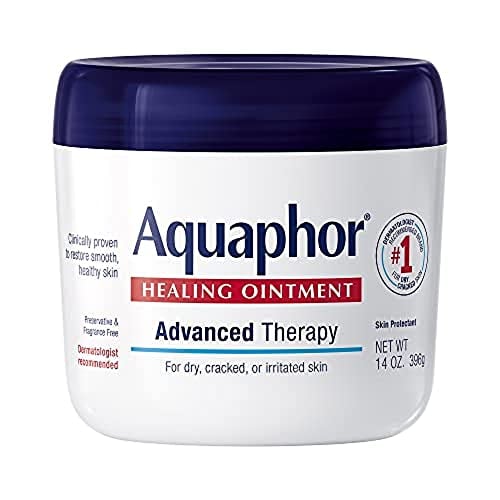
Aquaphor Healing Ointment
Best for dry, flaky skin that drinks up moisture overnight. Aquaphor is mostly petrolatum with a few barrier-friendly extras, and it’s the ointment most people mean when they say slugging. A pea-size amount over your moisturizer is plenty (more just smears onto your pillowcase). Aquaphor does contain lanolin, which a small number of people react to, so if you have a wool allergy, reach for CeraVe Healing Ointment instead. Skip it entirely on nights you use retinol or acids.
2. Skin Cycling
Skin cycling came from an actual dermatologist, a rarity on the app. Dr. Whitney Bowe (a board-certified NYC derm) coined it for a four-night rotation: a chemical exfoliant night one, a retinoid night two, then two recovery nights of nothing stronger than moisturizer. Spacing out the irritants gets you the benefits without the peeling that makes people quit retinol in week two.
From the Hive
Skin cycling is how a lot of BEEs finally made retinol stick, after years of starting and quitting because their skin flaked off. The recovery nights are what they credit. A few report that once their skin adjusted, they slowly added retinol nights back in and treated the four-night version as training wheels, which lines up with how Dr. Bowe describes it. The only gripe is that it takes patience, and BEEs hoping for a fast fix tend to wander off before the two-month mark when the real change shows.
The threads are full of stories like this one: “My skin couldn’t handle 0.05% tret, I gave it a lot of time and even tried sandwich method but it wasn’t happy,” one 40-year-old wrote. She’s now on a lower strength “3-4 days apart with skin cycling and it seems to be going ok the last few months. Not too much peeling or irritation.”
Bowe says skin looks more even and hydrated after about two cycles, with texture and dark spots improving over a couple of months. The retinoid is the engine, so our pick is a retinol rather than the exfoliant. If you already use retinol nightly without trouble, cycling might slow your results; for everyone else it’s the gentlest way in.
The pattern in community threads is people who finally made retinoids stick. “Since learning and implementing a cycling routine, my skin has finally healed and I can properly use retinol,” one commenter wrote after burning out her barrier, and a 34-year-old who has cycled for a few years reports “GREAT results. I never get a break out the way I’ve done it and my skin feels smooth.”
The routine version, from a commenter who runs it by the book: “My skin improved through skin cycling (acid on night 1, retinol on night 2, and moisturize and nights 3 and 4, repeat).” Months in, “This routine has helped my skin look poreless and radiant. I enjoy how simple and effective it is especially as a black woman who suffers from hyperpigmentation and hates wearing foundation.” Another commenter found the recovery nights were the point all along: “Simplifying my skin care routine has made a world of difference for my skin barrier and has seriously cut down my redness.”
I do skin cycling, mostly out of laziness. I’ll do retinol one night, the Ordinary toner another night, and some nights I’ll just use a moisturizer. I think it does help keep my skin from peeling, and it’s a good idea anyway, so you’re not overwhelming your skin.
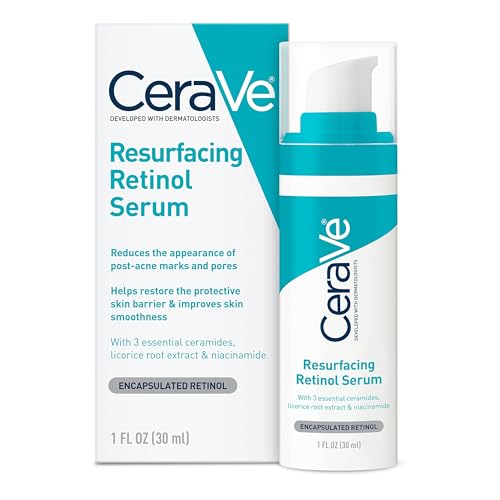
CeraVe Resurfacing Retinol Serum
The retinoid that makes the rotation worth doing. This is an encapsulated retinol, which releases slowly and tends to irritate less than a straight one, and it’s buffered with niacinamide and ceramides plus licorice root to fade post-breakout marks. That gentleness is the selling point for night two of a cycle and the reason it’s an easy first retinol. If you’ve used retinol for years and barely feel it anymore, you may find it too mild and want a stronger formula. It’s fragrance-free and won’t clog pores.
3. Hydrocolloid Pimple Patches
The little stickers you slap on a zit are not a gimmick. Hydrocolloid started life as a hospital wound dressing. On a pimple, it soaks up the gunk and keeps the spot covered and moist, so it heals flatter and faster than it would in the open air. A 2024 study in the Journal of the American Academy of Dermatology put numbers on it: the patches healed popped pimples faster, and calmed the swelling more, than plain skin tape.
A patch needs something to pull out, so it works best on a whitehead or a popped, oozing spot and does almost nothing for a blackhead or a deep, blind cystic bump with no opening. They treat what’s already there; they’re a same-night bandage rather than a cure. The bonus is that the patch physically stops you from picking, and picking is half the reason a pimple scars in the first place.
“Pimple patches for me were a game changer, I put them on top of the whiteheads overnight and the next day they’re practically gone (if not, I repeat the same thing 2 nights in a row),” one commenter reports, mid-recovery from a wrecked skin barrier.
“Pimple patches do nothing for me except keep me from picking at the spot,” admits one otherwise unconvinced commenter. “They help draw out the gunk overnight. They don’t work as well on deeper or cystic pimples though,” is how another splits the difference, and a reformed picker says the patch takes a blemish “from a 6 day process to an overnight one.”
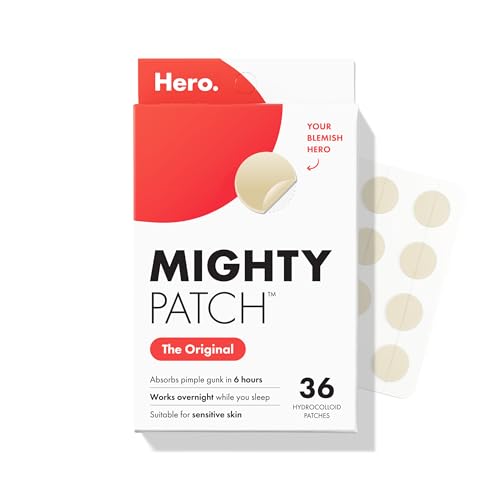
Hero Cosmetics Mighty Patch Original
The #1 pick for a whitehead you need gone by morning. These are the patches that made pimple patches mainstream, and they’re thick enough to flatten a surface pimple overnight and absorbent enough that you can see what they pulled out in the morning (gross, satisfying). They stay put through a night of tossing, and they’re a smarter move than squeezing. Just match the tool to the job: they work on raised, surface, or popped pimples and won’t touch blackheads or deep cystic bumps with no opening.
BEEs keep these on the nightstand for the whitehead that shows up before an event. They flatten a surface spot overnight and stop the 2 a.m. picking; stick one over a deep, painful cyst and nothing happens. A few buy the clear version and wear them during the workday to keep their hands off.
The off-label uses go beyond pimples. “My miracle fix has been hydrocolloid patches. I started with Mighty Patch nose patch (really stiff and uncomfortable) and ended up buying larger hydrocolloid dressings and cutting them to various shapes to fit comfortably. I use them a couple of times a week overnight and they seem to dissolve all of the oil and sebum; in the morning my pores look invisible,” one commenter explains, tretinoin having failed at the same job.
I don’t use pimple patches anymore. I would have loved these when I was younger and breaking out more, but now that I’m older it’s less of a thing. They do sound amazing, though. I feel like I used to make a homemade version when I was young, which was putting toothpaste on a pimple. Does anybody else remember that?
4. Snail Mucin
Yes, it’s exactly what it sounds like, and yes, get past the squeamishness. The slime a snail makes turns out to be a loaded little cocktail: glycoproteins, hyaluronic acid, glycolic acid, zinc, and allantoin, all in one ingredient. It’s been a gentle staple of Korean skincare for years, and the COSRX essence that went mega-viral is 96 percent of the stuff.
The convert reviews read like apologies. “Sounds gross but you won’t regret it,” goes a typical one, and a longtime holdout finally caved: “my dehydrated skin is thanking me. It’s incredibly soothing and has helped calm my redness from over-exfoliation. The texture is… interesting (definitely slimy!), but it absorbs quickly.”
I’ve tried it, the COSRX one. It’s good. The texture is slightly strange and I wasn’t a fan of that, but when I was using it as part of a whole Korean skincare routine the results were good. Not life-changing, but good. I’ve gotten away from it, and every so often I remember to put it back in. Is it worth it? The jury’s still out, but it wasn’t not worth it.
The research is still thin, nothing like retinol or sunscreen. What it has is years of people with dull, easily-irritated skin reporting calmer redness and a plumped bounce. The gel is slippery and slightly stringy, it’s animal-derived, and a minority break out from it. Patch test, then layer it on damp skin under your moisturizer.
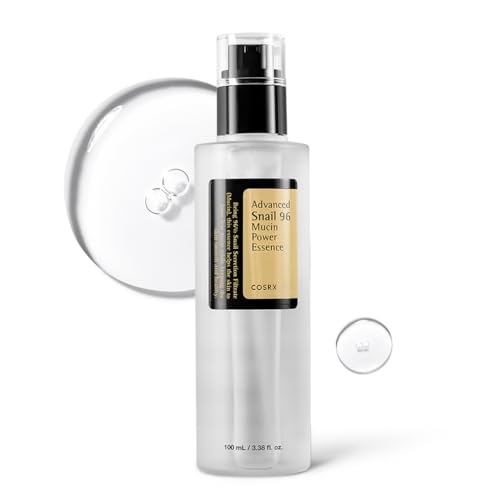
COSRX Advanced Snail 96 Mucin Power Essence
For dull, dehydrated skin that needs a hydration boost. This is the bottle responsible for most of TikTok’s snail obsession, and at 96 percent snail secretion filtrate it’s about as concentrated as snail mucin gets. It sinks in fast, layers well under everything, and tends to calm down redness and tightness over a few weeks of regular use. The texture is the make-or-break: it’s a stretchy, slippery gel, so if slime is a dealbreaker for you, this won’t change your mind. It’s also not vegan, and a small number of people do find it congesting.
Among our BEEs this is one of the most repurchased single bottles, and the word that keeps coming up is bounce, that plumped, less-tight feeling the morning after. The slime texture splits the room with no in-between, and the handful who broke out noticed within the first two weeks, so introduce it on its own.
5. Skin Flooding
Skin flooding is a fancy name for a simple idea: layer on your hydrating products while your skin is still damp, then trap them in. Cleanse, leave your face slightly wet, pat on a hydrating toner and a hyaluronic acid serum, then seal it with moisturizer before any of it dries. The serum pulls in more water from the damp skin, and the moisturizer keeps it from evaporating off.
From the Hive
Hard winters and travel weeks are when this one earns its keep with BEEs, who lean on it when their skin goes tight and dull, and the damp-skin step is the part they say made the difference once they started doing it properly. The B5 in this particular serum gets singled out for making it feel more cushioning than a plain hyaluronic acid. The recurring miss is people skipping the moisturizer on top and wondering why their face felt drier. Oilier BEEs keep it to a couple of light layers so they don’t tip into greasy.
“It’s like overnight it’s started glowing!” is one report from four weeks in. One 50-year-old flooder makes the case plainly: “Now that I’ve hit 50 my skin is like the Sahara. The skin flooding does really help me keep moisturized.” A tretinoin user who was “always peeling” reports “now with the flooding no peeling AT ALL!” And the most honest review concedes it “does produce glass skin results. However, it’s also a lot of labor and sometimes feels kinda gross.”
Done right, it’s a great fix for tight, dull, winter-flaky skin. Three or four hydrating layers is the sweet spot; seven serums mostly gets you pilling. And the sealing step is not optional. Hyaluronic acid only pulls water in when the air is humid, above about 70 percent (that figure comes straight out of the dermatology literature on moisturizers). In a normal dry room it does the reverse, drawing moisture up from your deeper skin, so the cream on top isn’t there for shine, it’s what keeps flooding from backfiring. La Roche-Posay’s hyaluronic serum has been a derm-office regular for years.
The K-beauty crowd does the same thing with toners. “Use multiple layers of a light, watery toner like Etude relief toner or Jumiso waterfall toner so that it adds hydration without the heaviness. Or add in a purely hydrating serum like Iunik beta glucan serum so that you can use a lighter moisturizer to lock it all in,” one commenter advises, and a daily flooder keeps it shorter: “Skin flooding has really helped me to maintain hydration all day.”
I’ve definitely done a version of skin flooding, just not on purpose. It’s something I’d like to try for real, and it makes sense to me. You’re sort of baking the moisture in.
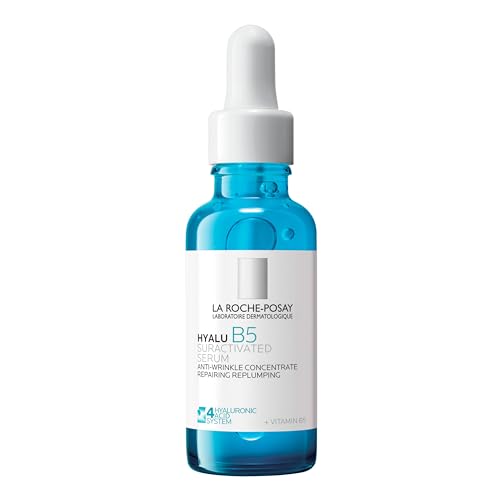
La Roche-Posay Hyalu B5 Serum
The hydrating serum that makes flooding work. It pairs two weights of hyaluronic acid (one to plump the surface, one to sink in deeper) with vitamin B5 to help skin repair, and it’s gentle enough for sensitive, reactive faces. It layers beautifully on damp skin and does the most important job in a flooding routine, and it won’t pill. It costs more than a basic drugstore hyaluronic acid, so if budget is tight, a cheaper HA serum works as long as you remember the rule that matters most: always seal it with moisturizer.
6. Azelaic Acid
Azelaic acid has been outworking flashier ingredients for years, and TikTok finally caught on. It does a lot at once: it calms the redness and flushing of rosacea, evens out tone, fades the dark marks pimples leave behind, and clears mild breakouts. And it does all that gently, gentle enough for sensitive or rosacea-prone skin that can’t take the stronger acids. The dermatologist panel behind the Rosacea.org seal even cleared The Ordinary’s 10 percent version.
From the Hive
This one has a devoted following among BEEs dealing with rosacea and the brown marks left after a breakout, and the ones who saw results tend to mention patience, since it took them six to eight weeks rather than days. The texture is the universal gripe. BEEs describe it as gritty and a little tacky, and the fix they land on is using it at night, on its own, with nothing layered too quickly on top. A few who wanted faster results asked their derm about the prescription strength, which tracks with the research.
“Adding azelaic acid to my routine has transformed my skin. I’m not diagnosed with rosacea but my skin was so inflamed, red and bumpy for years and now it’s super smooth and the flushing has died down a lot. I’ve been using it for about three months, started off just using it every 3-4 days but now I use it daily,” one commenter reports, and a rosacea veteran keeps it on her short list: “Do not use mechanical or abrasive exfoliants on rosacea, it worsens the redness. Azelaic acid does a nice job subduing redness.”
Azelaic acid I do use, the Paula’s Choice one. It’s definitely helped with redness. I use it in the morning along with my serum, in lieu of vitamin C, and personally I’ve noticed more results with it than I ever did with vitamin C.
The viral reviews tend to skip strength. The strongest evidence on rosacea and acne is at prescription level, 15 to 20 percent; the popular drugstore versions are 10. The lower number still helps a lot of people with tone and redness, it just may take a couple of months. The Ordinary’s slightly gritty formula can also pill under sunscreen, so give it a few minutes to settle and start every other day if your skin is touchy.
Users pass along that “It can feel a little itchy when you initially start to use it, especially if you are using it on damp skin.” One rosacea patient on the prescription 15% strength wrote that “by the end of the week, it both feels better to the touch, feels less flushed, and redness is way reduced,” with her derm warning that full results take closer to a month. It isn’t universal (“Azelaic Acid has never worked for me” and “I always see my dark spots creep back,” per one melasma veteran), but the people who stuck it out outnumber the ones it failed.
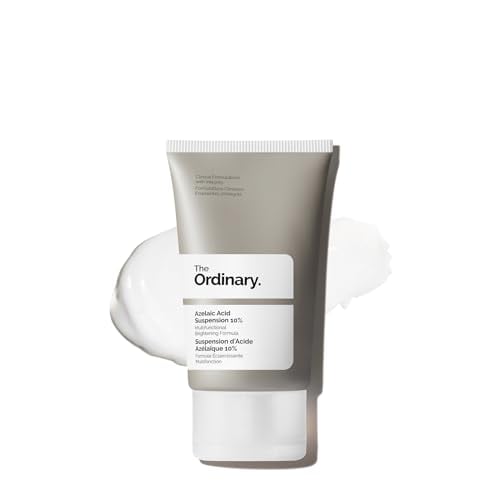
The Ordinary Azelaic Acid Suspension 10%
Best for redness, flushing, and the marks breakouts leave behind. The Ordinary’s azelaic acid is the affordable way into an ingredient that’s usually pricey or prescription-only, and at 10 percent it’s gentle enough for most sensitive and rosacea-prone skin to use daily. It evens tone and calms redness over a few weeks of consistent use. Two caveats: 10 percent is milder than the prescription strength with the most research behind it, and the grippy, slightly gritty texture can pill if you rush whatever goes on top. Let it absorb before you layer. Certified cruelty-free (PETA).
7. Double Cleansing
Double cleansing sounds like a way to sell you two products, and for bare skin it is. But sunscreen and long-wear makeup are oil-based, and your water-based face wash barely touches them. So you go in first with an oil cleanser or balm to melt that layer off, then your normal cleanser for the skin underneath.
From the Hive
BEEs who switched to a balm first step say it’s the cleanest their skin has felt at night, especially the ones wearing daily SPF who used to find sunscreen still smearing onto their pillow. Clean It Zero comes up again and again as the one they keep rebuying, and the value gets a lot of love since a jar stretches for months. The reminder BEEs pass along to newcomers is to massage it long enough and add water to rinse, because rushing leaves a slight film. On bare-skin days, most of them happily skip the second product.
The balm is the fun part. You massage it onto dry skin, it melts the day’s makeup and SPF so you can see it breaking down, then it rinses clean when you add water. On a no-makeup, no-sunscreen day, one cleanse is plenty, and double cleansing every single time can leave dry skin feeling tight. If you don’t massage long enough to emulsify the balm with water, it can leave a faint film, so take the extra twenty seconds.
The people who got converted are the ones you’d least expect, and their stories come with tips attached (“USE COLD WATER,” insists a rosacea user who switches her oils up constantly). “I’m oily, why would I need more oil?” one commenter remembers thinking, “BUT it’s been wonderful for my sensitive skin.” A rosacea user credits the double cleanse for skin that has “legit never been better.” And the skeptics are honest too; one religious double-cleanser quit “and didn’t notice much of a difference.”
“Double cleansing with an oil cleanser and then a regular non foaming cleanser like thayers milky cleanser has changed my skin so much. Got rid of the black spots,” goes one report. The fairest warning comes from a commenter whose skin disagreed: “I did get tiny little bumps when I used to oil cleanse that progressed to something worse,” and her conclusion: “I really dont think oil cleansing/ double cleansing is for everyone. Its such a shame because oil cleansing ‘massage’ just feels so good!”
Double cleansing I love. It just makes sense, especially when you’re taking off sunscreen and makeup. The other thing that was a game changer for me was a Konjac sponge. About ten years ago I went through a period of breaking out, and I think it was because I wasn’t getting all my makeup off. The sponge acts as a version of a double cleanse for me: I use a good cleanser with it, and all my makeup is gone.
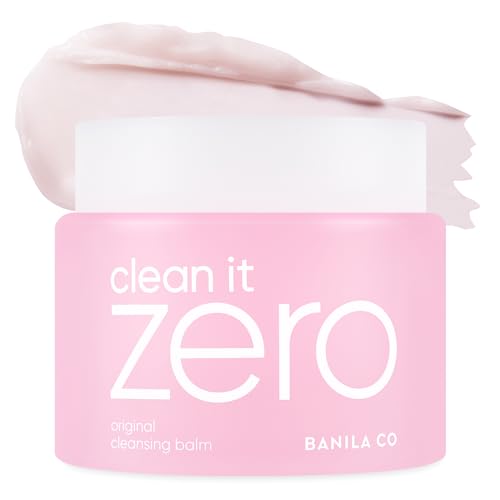
Banila Co Clean It Zero Cleansing Balm
The cult balm that melts off SPF and long-wear makeup. This is the first step that made double cleansing go viral, a sherbet-textured balm that turns to oil on contact, lifts off even waterproof mascara and mineral sunscreen, and rinses without a greasy film if you emulsify it properly. A little goes a long way, so one jar lasts months. It’s best for makeup and sunscreen days rather than every wash, and if your skin runs very dry, the more nourishing version in the same range is the better pick.
A cruelty-free mark means the brand is certified by PETA, Leaping Bunny, or both at the time of writing. A missing mark doesn’t mean a brand tests on animals; it just means the brand isn’t certified by these programs.
What Our BEEs Are Buzzing About
Here’s what the beauty community is saying about these trends:
Want to become a Beauty Empties Expert?
BEEs get free products to test, exclusive discount codes from our brand partners, and live access to The Hive sessions with dermatologists and beauty editors. Spots are limited and hand-picked.