Our Top Face Oils for Aging Skin, and What Each One Is Really For

Some links are affiliate, so we may earn a small commission at no cost to you. Our policy
My grandmother used Oil of Olay her entire life. She was in the sun constantly, never spent real money on skincare, and had the most beautiful, moisturized skin of anyone I knew. My mom is the same way. She has never used a fancy cream in her life, and her skin is gorgeous. So I grew up a little suspicious of the idea that you need an expensive bottle to age well, and I’m still a little suspicious of it.
By my forties, my routine had come down to a few things I trust. Sunscreen is the one step that’s really counted (it’s what I credit for the wrinkles I don’t have), and the only two products that ever truly wowed me, Augustinus Bader and La Mer, turned out to be unfortunate news for my wallet. I came to oils late. I have oily, formerly acne-prone skin, and for years the thought of putting more oil on my face scared me off completely. But my skin is drier than it used to be, and a good face oil has won me over.
The trouble is that the ones that actually WORK are few and far between, and a $200 bottle that does nothing is just as wasteful as a drawer of cheap ones that do nothing. So this is my honest list, from a $10 bottle you can try on a whim to a splurge you’d want to be sure about, with what each oil is really for, where the science backs it up, and where it doesn’t.
What a Face Oil Can and Can’t Do for Older Skin
Let’s start with what an oil is, because the marketing makes it sound like magic and it isn’t. An oil is an emollient. It softens the surface and slows water from escaping your skin, and that job gets harder as we get older, when skin makes fewer of its own oils than it once did. Dr. Shereene Idriss, a board-certified dermatologist, puts the reason about as plainly as it gets:
“As our estrogen goes down, we do not have the same amount of oil production. Our sebaceous glands get quieter, our oil production decreases, and our skin becomes more dry. Not just dehydrated, but dry, because we don’t have oil.”
Dr. Shereene Idriss, board-certified dermatologist
That was the aha! moment for me. The drier my skin got, the more an oil made sense, because I was topping up something my skin had started skimping on. The ingredient doing most of that work is linoleic acid, which is why a good oil can settle skin that feels tight and rough (the barrier research on it goes all the way back to a 1976 paper in the British Journal of Dermatology and still holds up in a 2024 review in the International Journal of Molecular Sciences).
If you want the one oil with real proof behind it for aging skin, it’s argan. A 2015 trial in Clinical Interventions in Aging put 60 postmenopausal women on it for two months and measured better elasticity, which is a rarer result on older skin than the shelf would have you believe. Most oils lean on antioxidants instead, and those help with everyday wear, though even there the science is softer than the labels let on (a 2016 review in the Indian Dermatology Online Journal admits topical vitamin E is barely studied and not very stable in the bottle).
Nobody on TikTok wants to say this next part, so I will. An oil is not a moisturizer, because it can’t pull water into your skin, only seal in what’s already there. It is not sunscreen, and it is not a retinol. And a couple of the darlings on these lists are more wishful than proven: pomegranate seed oil does lovely things in a petri dish but hasn’t been tested on real faces, and hemp seed oil is a nice, light option for dry skin without much aging research behind it. Promising isn’t the same as proven, and I’d rather be straight with you about which is which.
The Ordinary 100% Organic Cold-Pressed Rose Hip Seed Oil
This is where I’d start, for about ten dollars. I’m not going to tell you to drop $195 to find out whether you even like the feeling of oil on your face. The Ordinary’s version is cold-pressed rosehip seed oil and nothing else, and cold-pressed is what keeps the good stuff (the fatty acids and the natural vitamin A) intact. Rosehip runs high in linoleic acid, so it’s a smart first pick for skin that’s dry and a little uneven.
Just keep your hopes where the evidence is. Dr. Andrea Suarez, the board-certified dermatologist behind the channel Dr Dray, is refreshingly blunt about this one:
“We don’t have that much data. We have very few studies, and the studies we have are very, very small. Topical application of rosehip oil is helpful for accelerating the rate of wound healing and for improving the appearance of post-surgical scars.”
Dr. Andrea Suarez, board-certified dermatologist
That lines up with the actual studies, where the strongest topical result (a 2015 one in the Journal of Cosmetics, Dermatological Sciences and Applications) was about surgical scars fading with less redness, not wrinkles disappearing. The “rosehip erased my wrinkles” study everyone passes around was a powder people swallowed, not the oil you smooth on. One real warning before you buy: cold-pressed rosehip turns fast, and rancid oil smells like old crayons and does your face no favors. Get the small bottle, keep it somewhere dark and cool, and finish it within a few months.
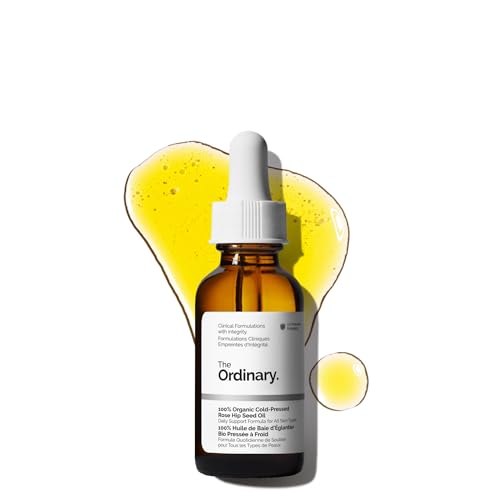
The Ordinary 100% Organic Cold-Pressed Rose Hip Seed Oil
The ten-dollar way to find out if you’re even an oil person. One ingredient, cold-pressed, high in linoleic acid and natural vitamin A. Best for dry, uneven skin. Keep it cool so it doesn’t turn.
Pai Rosehip BioRegenerate Oil
If you fall for rosehip the way a lot of people do and want to trade up, this is the bottle I’d point you to next. Pai extracts it with CO2 instead of a basic press, which pulls out more of those orange-red antioxidants and (the part I care about) keeps the oil stable longer, so it won’t turn on you as fast as the bargain versions. It feels a touch richer, the color’s deeper, and a few drops go a long way on skin that’s been feeling tight. Dermatologists tend to reach for rosehip first when the goal is texture and tone rather than breakouts. As Dr. Alexis Stephens, a board-certified dermatologist, puts it, it’s “great for mature skin or aging skin,” with a natural form of vitamin A that borrows a little of what makes retinol work, “without the risk of the irritation.” Patch test it first like any new oil, and if your skin goes pink instead of calm, listen to it.
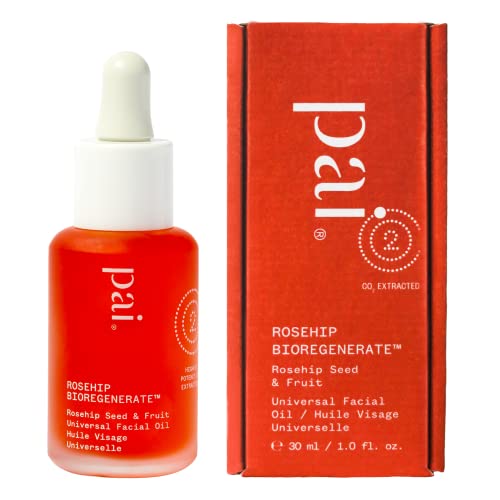
Pai Rosehip BioRegenerate Oil
The rosehip to graduate to. CO2-extracted for more antioxidants and a longer shelf life than the cheap stuff, so it earns the higher price if you use oil regularly on dry, tight skin.
Josie Maran 100% Pure Argan Oil
If you only buy one oil, I’d make it this one, because it’s the one with a real study attached. Argan is the oil from that elasticity trial, and even the skeptics give it up. Suarez, who talks most people out of their trendy oils, basically shrugs and admits she likes it: “I don’t really have anything negative to say about it. I think it’s useful.” (One thing she flags: some Josie Maran products have added fragrance, so reach for the plain 100% Pure Argan Oil if fragrance bothers your skin, the way it does mine.) It sinks in fast, never feels heavy, and it’s the rare oil that earns the “use it on everything” pitch: face, dry hands, the ends of your hair, your cuticles. It reminds me of my grandmother’s whole approach to her skin, one simple thing, used faithfully, that just works.
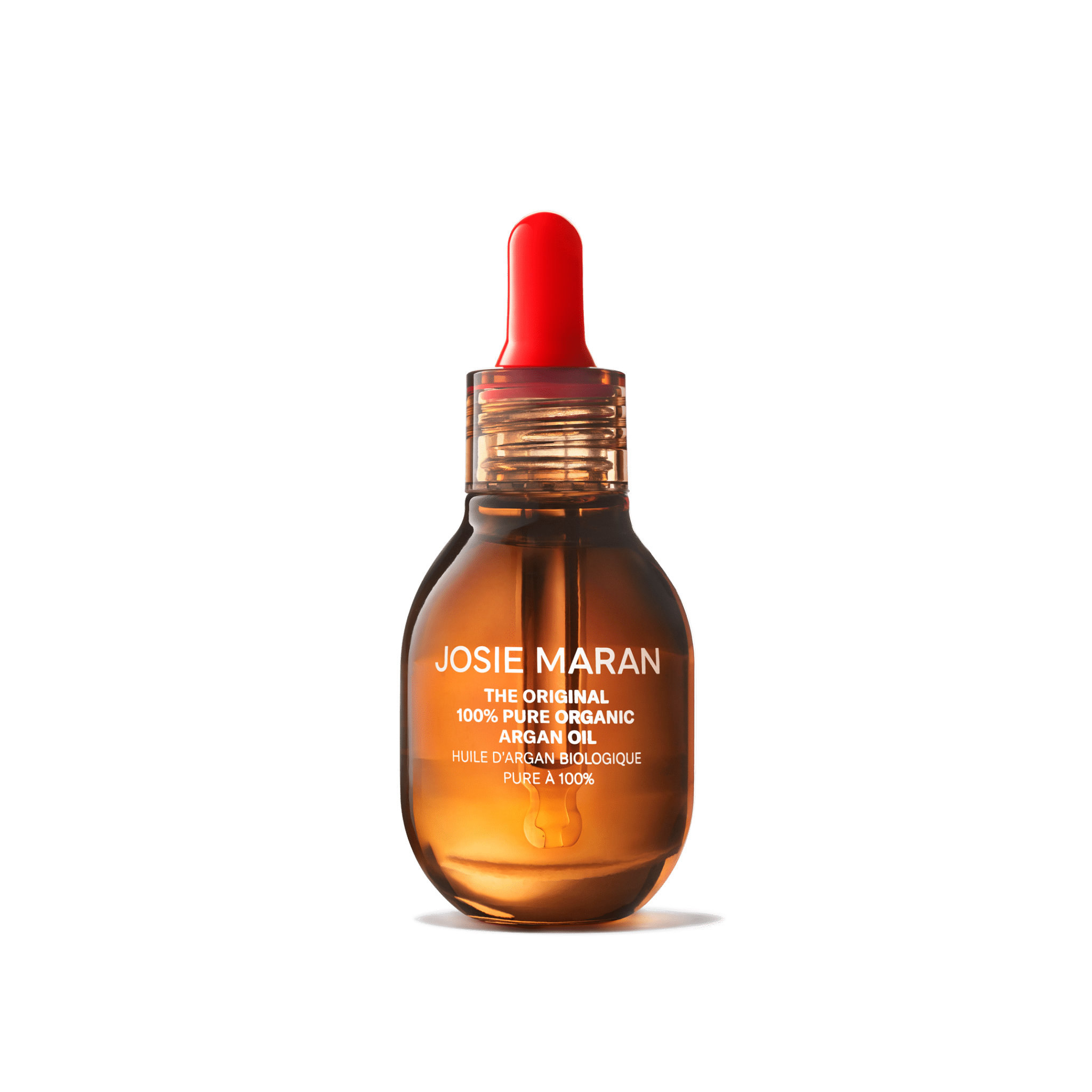
Josie Maran 100% Pure Argan Oil
The one I’d pick if you only buy one. A single cold-pressed argan oil with an actual postmenopausal-skin study behind it. Light, fast-absorbing, and it doubles as a hand, hair and cuticle oil.
Drunk Elephant Virgin Marula Luxury Facial Oil
This is the one for skin that throws a fit at everything. A 2015 study in the Journal of Ethnopharmacology tried marula on twenty women and found it hydrated nicely without irritating anyone, and Drunk Elephant keeps theirs about as bare as an oil gets: no fragrance, no essential oils, nothing extra to set off touchy skin. I’ll be straight with you, the way I wish more sites would. This is a lot of money for one ingredient you can buy plainer for less. Marula also sits on the richer side, so if you’re oily like me, you may find it more than your skin needs. But for dry, reactive skin that hates everything else, that stripped-back formula is exactly the point.
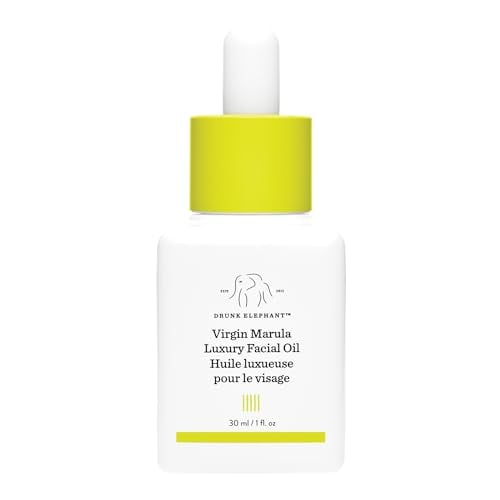
Drunk Elephant Virgin Marula Luxury Facial Oil
The gentlest bet for reactive skin. No fragrance, no essential oils, just a cushiony marula oil that absorbs without the heaviness. On the richer side, so oily skin may want to size down.
Biossance 100% Squalane Oil
If you’re oily, or just allergic to the idea of a shiny face, this is the oil that doesn’t feel like one. Squalane is a stand-in for squalene, an oil your own skin makes and makes less of as you get older, so you’re really just refilling the tank. It practically disappears into the skin, it behaves under sunscreen and makeup, and Biossance makes theirs from sugarcane, so it’s vegan and the same in every bottle. I won’t oversell it, and neither will the dermatologists: there’s no real evidence it does anything for wrinkles. It’s there for comfort, not to fix anything. But on the mornings my skin feels tight and I don’t want to look greasy by lunch, it’s the one I reach for, and it’s the one I finish.
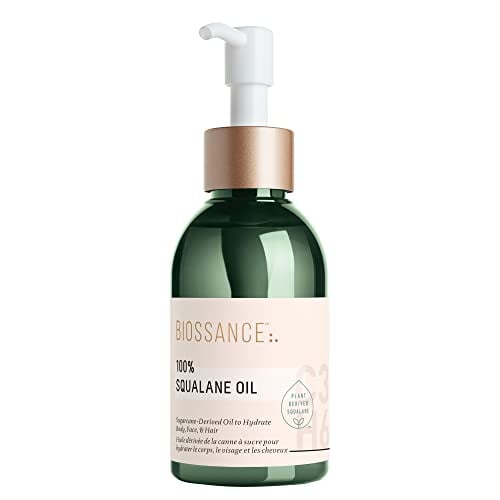
Biossance 100% Squalane Oil
For anyone who hates the feel of oil. Lightweight, near-invisible, layers under SPF and makeup, and tops up a lipid your skin makes less of over time. The everyday one, not the dramatic one.
Herbivore Phoenix Rosehip + Sea Buckthorn Facial Oil
When you don’t want to build a whole shelf of single oils, a good blend does the editing for you. Phoenix mixes rosehip and sea buckthorn with CoQ10 (another antioxidant our skin makes less of over time), plus jojoba and chia. Sea buckthorn is the showy one, loaded with omega-7 and a deep orange color that, fair warning, can stain. Dr. Stephens calls it “notorious for staining a lot of things,” and she’s right, so go light, especially on pale skin and pale pillowcases. It also smells botanical from the plant extracts, worth knowing if fragrance of any kind sets your skin off. For dull, dry skin that just wants to look more awake, though, it’s a lot of good oils doing their job in one bottle.
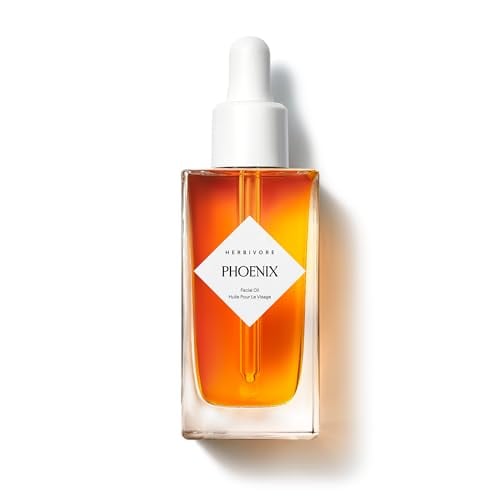
Herbivore Phoenix Rosehip + Sea Buckthorn Facial Oil
The one-bottle blend. Rosehip and omega-7 sea buckthorn plus age-relevant CoQ10, for dull, dry skin that wants a glow. Pigmented and lightly scented, so a little goes a long way.
Vintner’s Daughter Active Botanical Serum
And then the splurge, which I’ll only send you to if the budget is really there, because at around $195, it had better be. This is the whole article packed into one bottle: 22 botanicals, including most of the oils I’ve already talked up (rosehip, carrot seed, avocado, evening primrose, grape seed), blended for omegas and antioxidants in a single step. Beauty editors have been obsessed with it for years, and the idea makes sense, since dermatologists like Dr. Stephens actually recommend mixing oils so you get a wider range of good things rather than betting on one. Vintner’s Daughter just does the mixing for you, beautifully.
My hesitation is personal. The only two splurges that ever truly wowed me were Augustinus Bader and La Mer, and both were, as I keep saying, unfortunate news for my wallet. A $195 oil has to clear that same bar, because a beautiful bottle that does nothing is every bit as wasteful as a pile of cheap ones that do nothing. Dr. Daniel Sugai, a board-certified dermatologist, says it about as plainly as I would:
“Higher cost does not mean more efficacious. We can get affordable budget skincare and still get efficacy.”
Dr. Daniel Sugai, board-certified dermatologist
That’s all true. And still, if you’d rather own one gorgeous bottle than a drawer of singles, and the money is there to spend without flinching, this is the one I’d hand you.
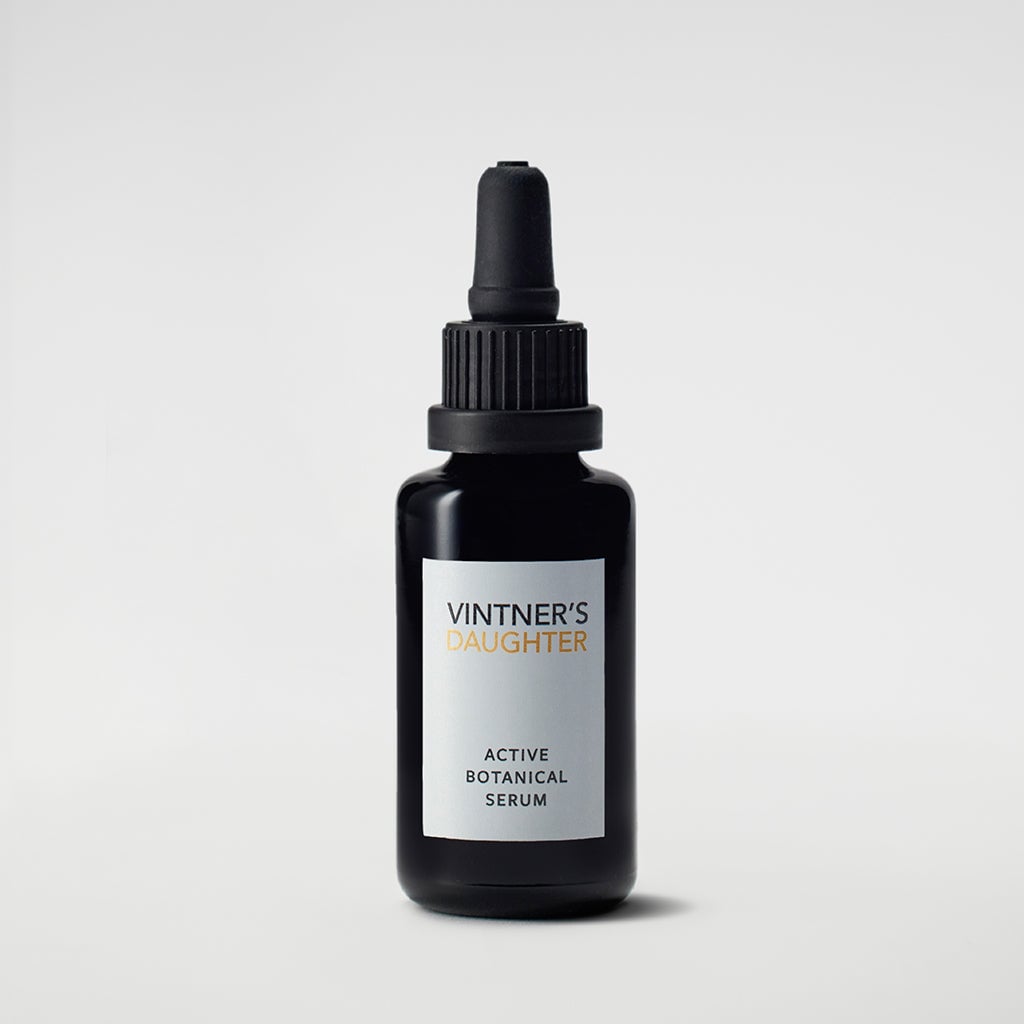
Vintner’s Daughter Active Botanical Serum
The splurge that combines the whole list. 22 botanicals (rosehip, carrot seed, avocado and more) in one step, for someone who’d rather own one beautiful bottle than a shelf of singles. Only if the budget’s there.
How to Actually Use One
Use a few drops at night, as the last step or close to it. Layer your serum and moisturizer first, then press two or three drops of oil over the top while your skin is still a little damp, so it locks the water in instead of sealing it out. Dr. Stephens swears one to two drops is plenty for your whole face, and she’s right. Any more and you’ll be shiny all evening. Mornings are where people trip up, because oil and sunscreen don’t always cooperate. Both Dr. Stephens and Dr. Vanita Rattan, a cosmetic doctor and formulator, warn that a morning oil can keep your SPF from setting and even thin it out, so if you want a drop during the day, use one and give it a minute to sink in. Patch test anything new on your jaw for a few nights before you trust it all over. And keep the order of things straight in your head: the oil is the cozy part, not the protection. Sunscreen is still the one doing the real work, the way it always has on my face.
What Our BEEs Are Buzzing About
Here’s what the beauty community is saying about these products:
Related Articles
- These Are The Top 10 Face Oils for All Skin Types
- The 10 Best Wrinkle Creams That Actually Work
- The 7 Most Common Anti-Aging Skincare Mistakes after 50
- The Best Neck Firming Creams, From an $8 Bottle to a $95 Splurge
- 4 Derm-Approved SkinCeuticals Swaps That Save You $508
Want to become a Beauty Empties Expert?
BEEs get free products to test, exclusive discount codes from our brand partners, and live access to The Hive sessions with dermatologists and beauty editors. Spots are limited and hand-picked.