8 Beauty Products We All Used in the 1970s That Would Be Banned Today
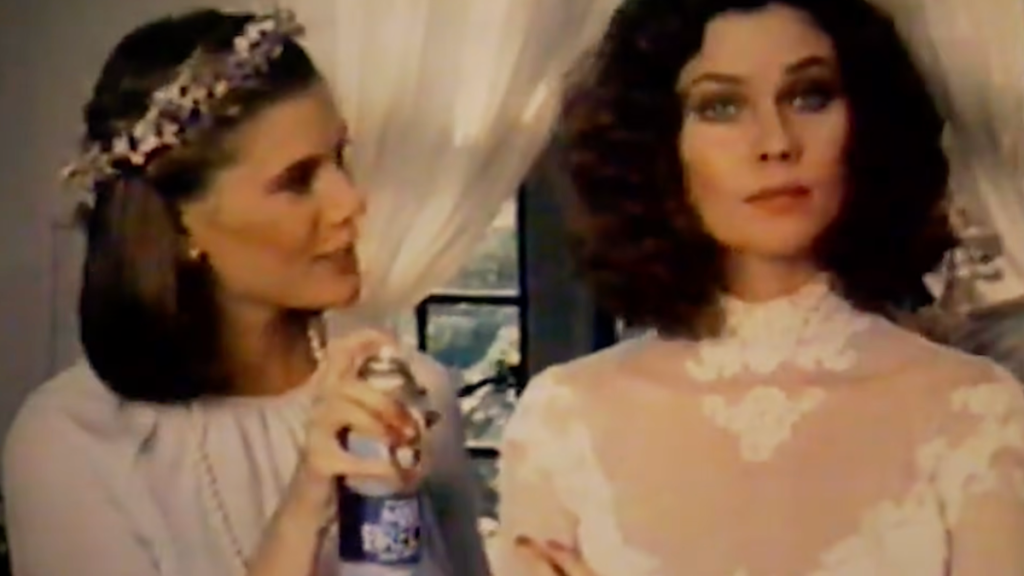
If you grew up in the 1970s, there’s a good chance you slathered yourself in baby oil, used a hairspray that came with a cloud of something vaguely chemical, or reached for a face wash that smelled like it was doing something serious. Beauty in the 70s ran on confidence, experimentation, and the occasional public health hazard. Some of these products quietly disappeared. Others got actively recalled. A few remain technically legal in the US while dozens of other countries have banned them outright.
If you buy through our links, we may earn a small commission at no cost to you. As an Amazon Associate, we earn from qualifying purchases. Our policy
All of them remind us that the FDA’s authority over cosmetics has historically run much weaker than most of us assume. The story of how we got from baby oil and iodine to SPF 50 and clean beauty is really a story about what we didn’t know, what the industry knew and didn’t say, and how long it takes for the science to catch up.
Products That Were Actually Banned or Restricted
1. Vinyl Chloride Hairsprays
Until the early 1970s, many of the most popular aerosol hairsprays on the market used vinyl chloride as a propellant, which is the pressurized gas that pushes the product out of the can. Aqua Net is the most well-documented example — during the period when it was manufactured by Fabergé, from at least 1970 through 1972, it contained vinyl chloride. The women using these products every day had no idea. According to Bill Moyers’s Trade Secrets documentary on PBS, the companies that manufactured vinyl chloride did know, and chose not to warn consumers.
Vinyl chloride is a known carcinogen, linked to a rare and aggressive form of liver cancer. The FDA banned it from aerosol cosmetic products in 1974. By that point, an entire generation of women had been spraying it directly at their heads on a daily basis. The lag between what the industry knew and what consumers were told is the part of this story that’s hardest to sit with.
What We Know Now
Vinyl chloride is classified as a known human carcinogen. The FDA banned it from aerosol cosmetics in 1974, making it one of the very few ingredients the agency has actually prohibited outright. That tells you something about how high the bar for a full ban has historically been.
2. pHisoHex and Other Hexachlorophene Cleansers
pHisoHex was practically a skincare staple in the late 1960s and early 70s, widely used as a face wash for acne-prone skin. It contained hexachlorophene, an antibacterial compound that everyone considered both effective and safe. You would find it in Cover Girl cosmetics, medicated soaps, baby products, and Dial soap. Nobody questioned it.
In 1972, the FDA issued an emergency recall after 39 infants in France died following exposure to a baby powder that had been accidentally manufactured with a dangerously high concentration of hexachlorophene. US studies had already shown the compound could absorb through the skin and cause nervous system damage. Doctors reported fifteen deaths in the US as well. After the recall, pHisoHex became prescription-only. Dial changed its formula. The Cover Girl medicated range disappeared. An ingredient that had been in millions of bathrooms essentially vanished from consumer products in a single year.
What We Know Now
Hexachlorophene absorbs through skin and can cause nervous system damage at high concentrations. The FDA limits it to below 0.1% in cosmetics and bans it entirely from products applied to the lips or inside the mouth. Germany banned it from cosmetics entirely in 1985.
3. Chloroform in Toothpaste and Cosmetics
This one is wild. Chloroform, yes, the substance you know from old movie kidnappings, showed up as a sweetener and preservative in toothpaste, cough syrups, and some cosmetic products well into the 1970s. It gave products a pleasant flavor and worked as an antiseptic. Several major toothpaste brands contained it. Most people brushing their teeth had no idea it was in there.
The FDA banned chloroform from over-the-counter cosmetics and drug products in 1976, after animal studies showed it caused liver cancer. The levels in consumer products were low, but the agency decided there was no safe amount of a known carcinogen in something people were putting in or near their mouths every day. This was actually one of the faster regulatory actions on this list, and most of the other restrictions took considerably longer to happen after the evidence was already in.
What We Know Now
Chloroform is a probable human carcinogen that can also slow the central nervous system at high doses. The FDA banned it from all over-the-counter cosmetics and drug products in 1976. Its presence in any consumer product at a meaningful level would be illegal today.
4. Mercury Skin Lightening Creams
Products promising to fade freckles, dark spots, and uneven skin tone were hugely popular in the mid-20th century, and many of the most effective ones contained mercury chloride. Mercury works by interfering with your skin’s ability to produce pigment, which does reduce dark spots. It also builds up in your body with repeated use and can cause rashes, kidney damage, tremors, and memory loss, among other serious symptoms. Women kept using these products because the results were visible and the side effects took time to appear.
The FDA restricted mercury in cosmetics starting in the 1970s, limiting it to trace amounts in most products. But the restrictions didn’t fully solve the problem. Mercury-based skin lighteners continued to be sold illegally for decades, and they still show up in imported products today. If you use any skin lightening cream, it’s worth checking the ingredient list for mercury, calomel, mercuric, mercurous, or mercurio.
What We Know Now
Mercury absorbs through the skin and accumulates in the body, where it can damage the kidneys and nervous system over time. The FDA restricts it to trace amounts in most cosmetics. The EU and many other countries have banned it entirely. It still turns up in some illegally imported lightening products, which is why checking labels on anything in this category is worth the extra 30 seconds.
Still Legal Here, Banned Elsewhere
5. PABA Sunscreens
If you wore sunscreen in the 1970s (and most people didn’t, because tanning was the whole point), it almost certainly contained PABA. Short for para-aminobenzoic acid, PABA was the main UV-blocking ingredient in that era’s sunscreens. It worked reasonably well at blocking the rays that cause sunburn. But over time, research connected it to potential thyroid disruption, and it turned out that repeated use could cause people to develop allergic reactions, and not just to the sunscreen but to other products containing similar compounds.
Most major US sunscreen brands quietly dropped PABA in the 1980s, and the EU has since banned it from cosmetics entirely. It is technically still legal in the US, but good luck finding a mainstream brand still using it. Most people never noticed the switch because brands just stopped putting it in products and stopped mentioning it. No recall, no announcement, no public conversation about why it was gone.
What We Know Now
Research has linked PABA to potential thyroid disruption, and repeated use can trigger skin sensitivity. The EU banned it. Most dermatologists now recommend mineral sunscreens with zinc oxide or titanium dioxide, and the good news is that the textures have gotten so much better, and the white cast and heavy feel of older mineral formulas are largely a thing of the past.
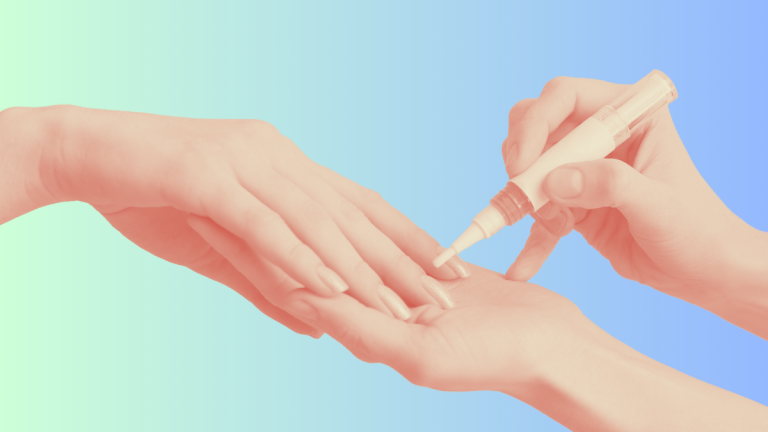
6. High-Concentration Toluene Nail Polish
Nail polish has never been a particularly clean product, and the solvents needed to get pigment to stick to nails and dry quickly have always involved some compromises. But 1970s formulas contained toluene, a petroleum-derived solvent, at concentrations well above what’s used today. Toluene gives nail polish its smooth application and fast dry time. At the levels manufacturers used historically, repeated exposure can affect the nervous system, cause headaches and dizziness, and research has linked it to reproductive harm with long-term use.
The EU has banned toluene from cosmetics entirely. In the US it can still appear in nail products at low levels, though most major brands have removed it. The change didn’t come from regulation. It came from consumers starting to read labels and ask questions, and brands following along. That’s actually the more common story with cosmetic ingredients: consumer pressure moves faster than the FDA does.
What We Know Now
The EU bans toluene from cosmetics entirely. If you spot it in a US nail product, it will show up on the label as toluene or methylbenzene. Looking for “3-free,” “5-free,” or “10-free” nail polishes is the easiest way to avoid it, and those numbers tell you how many of the most concerning solvents have been removed.
7. Lead-Based Kohl Eyeliner
Kohl eyeliner has been around for thousands of years, and its deep, smudgy payoff made it a beauty staple through the 1970s. The problem is that traditional kohl formulations got their intensity and staying power from lead. Manufacturers added it intentionally because it made the product work. Lead builds up in the body with repeated use and can cause neurological damage, kidney problems, and serious harm to developing babies.
The EU has banned lead from cosmetics entirely since 1976, which prohibits traditional lead-based kohl outright. In contrast, the FDA has no equivalent blanket ban, handling lead on a case-by-case basis. Today, the real concern is imported products, and some traditional kohl still contains dangerous levels of lead, which is why doctors specifically warn against using it on or near children. Modern kohl and kajal pencils are made without lead and deliver the same look.
What We Know Now
There is no safe level of lead exposure. Some international markets still sell traditional lead-based kohl, and health agencies have flagged imported products multiple times. The FDA and CDC both advise against using any kohl product on children. Modern kohl and kajal pencils are lead-free and are the obvious choice.
We Just Know Better Now
8. Baby Oil (With a Few Drops of Iodine) as Tanning Oil
This was never a product, exactly, it was a ritual. You grabbed whatever baby oil was in the house, added a few drops of iodine to help deepen the color, and baked in the sun for hours. No SPF. No protection from the UV rays that damage skin cells over time. Just a thin layer of mineral oil that, if anything, made the burning worse by trapping heat against the skin. It smelled incredible. It did real damage.
Dermatologists who practiced through this era consistently describe the same pattern: the patients who tanned this way in their teens and twenties are the same patients showing up decades later with significantly higher rates of skin cancer, deep wrinkling, and sunspots. Baby oil provides zero sun protection, and adding iodine doesn’t change that. It just made the whole thing look more intentional. Nobody banned this because there was no specific product to ban. People just did it, widely and enthusiastically, until the research on UV damage became impossible to ignore.
What We Know Now
Mineral oil provides no UV protection, and applying an oil to skin before sun exposure can make burning worse. UV damage accumulates over a lifetime, and nothing reverses it. If you want a tan, a self-tanner with SPF 30 built in is the version of this that won’t cost you later.
Frequently Asked Questions
How regulated are beauty products in the US today?
Less than most people assume. Since Congress passed the Food, Drug and Cosmetics Act in 1938, the FDA has banned or restricted only a small handful of cosmetic ingredients. The EU, by comparison, has banned or restricted more than 1,400. Cosmetics companies in the US don’t have to register with the FDA, submit ingredient lists for review, or report adverse events. The burden of proving a product is unsafe falls largely on the agency rather than the company making it, which means concerning ingredients can stay on shelves for years after problems emerge. The Modernization of Cosmetics Regulation Act of 2022 gave the FDA more tools, but the gap between US and EU standards remains significant.
Are any of these ingredients still in products today?
Some of them, yes. Toluene is still permitted in US nail products at low concentrations. Lead shows up as a trace contaminant in some cosmetics, particularly imported ones. Mercury-containing skin lighteners are illegal in the US but still appear in products sold online. The US still permits PABA, though reputable brands rarely use it anymore. The EWG’s Skin Deep database is a free resource for looking up specific products and ingredients if you want to know what’s actually in what you’re using.
What’s the easiest way to avoid concerning ingredients?
Reading the ingredient list is the most reliable option. The EWG’s Skin Deep database lets you search specific products and see how their ingredients score against current research. EWG publishes an annual sunscreen guide that’s worth bookmarking. With nail polish, “3-free,” “5-free,” and “10-free” labels tell you which of the most problematic solvents have been removed. For imported skin lightening or eye products, extra scrutiny is worthwhile since those categories have the most documented issues with mislabeled or illegal ingredients.
Did people know these products were dangerous at the time?
It depended on the product. With vinyl chloride in hairspray, the manufacturers knew and chose not to tell anyone. With baby oil tanning, the connection between UV exposure and skin cancer hadn’t reached mainstream awareness yet. The science existed before the public understanding did. With hexachlorophene, it took a tragedy in France to push regulators to act on studies that were already raising concerns. Across most of these stories, the gap between what was known and what reached consumers was significant, and industry lobbying consistently slowed regulatory action. That dynamic hasn’t entirely gone away.
Want to become a Beauty Empties Expert?
BEEs get free products to test, exclusive discount codes from our brand partners, and live access to The Hive sessions with dermatologists and beauty editors. Spots are limited and hand-picked.