These Are the 1970s Beauty Trends Women Want to Bring Back
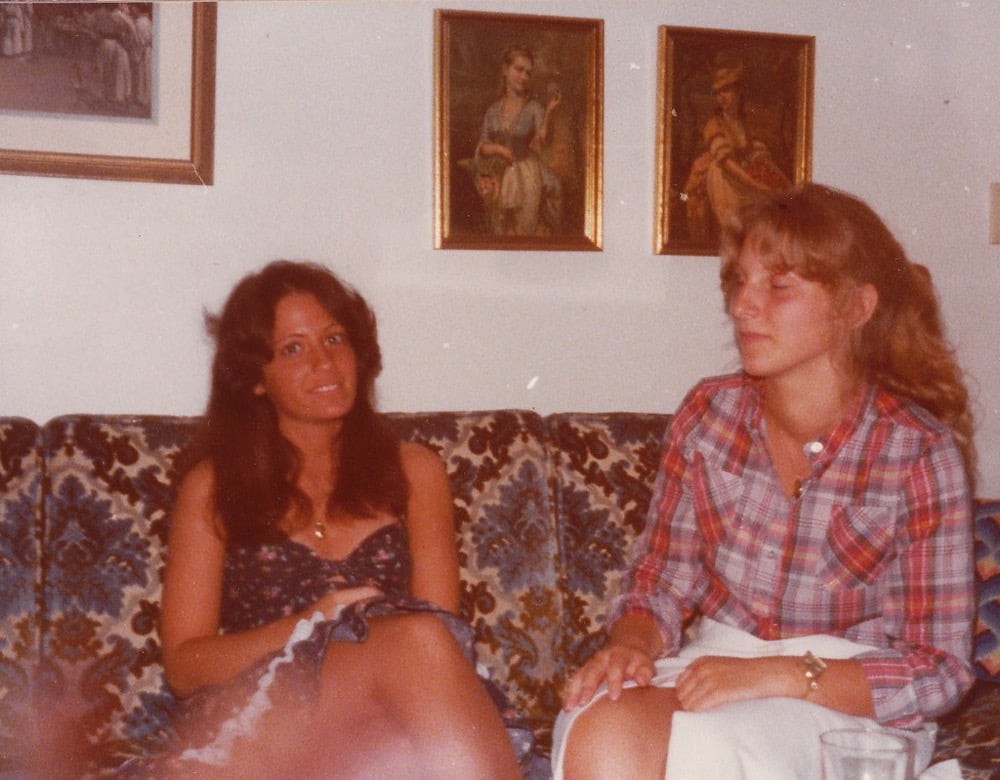
A couple of weeks ago, in one of those 1970s nostalgia groups on Facebook (the kind where a photo of a Dorothy Hamill haircut gets 400 comments), someone asked a question I couldn’t scroll past: “What beauty trend from the ’70s would you actually bring back?” By the time I found the post, 328 comments had piled up, almost all from women who wore these trends the first time around. Do the math on that: if you were 18 when Charlie’s Angels premiered in 1976, you’re 68 now. These are women who have lived through every beauty cycle the industry can throw at a person, and they know EXACTLY what they miss.
If you buy through our links, we may earn a small commission at no cost to you. As an Amazon Associate, we earn from qualifying purchases. Our policy
So we treated it like an election. We pulled the most-liked comments from the thread and counted the reactions on each one as votes. Some answers were about clothes, including one commenter’s reply that she’d also like back “the body I had in the ’70s to pull all that off,” which deserves its own award. We’re staying in the beauty lane here, but the makeup, hair, and skincare votes sorted themselves into a clear ranking, and the winner surprised me less than what came in second. The results are below, counted and in order.
1. Feathered, Farrah-Level Hair
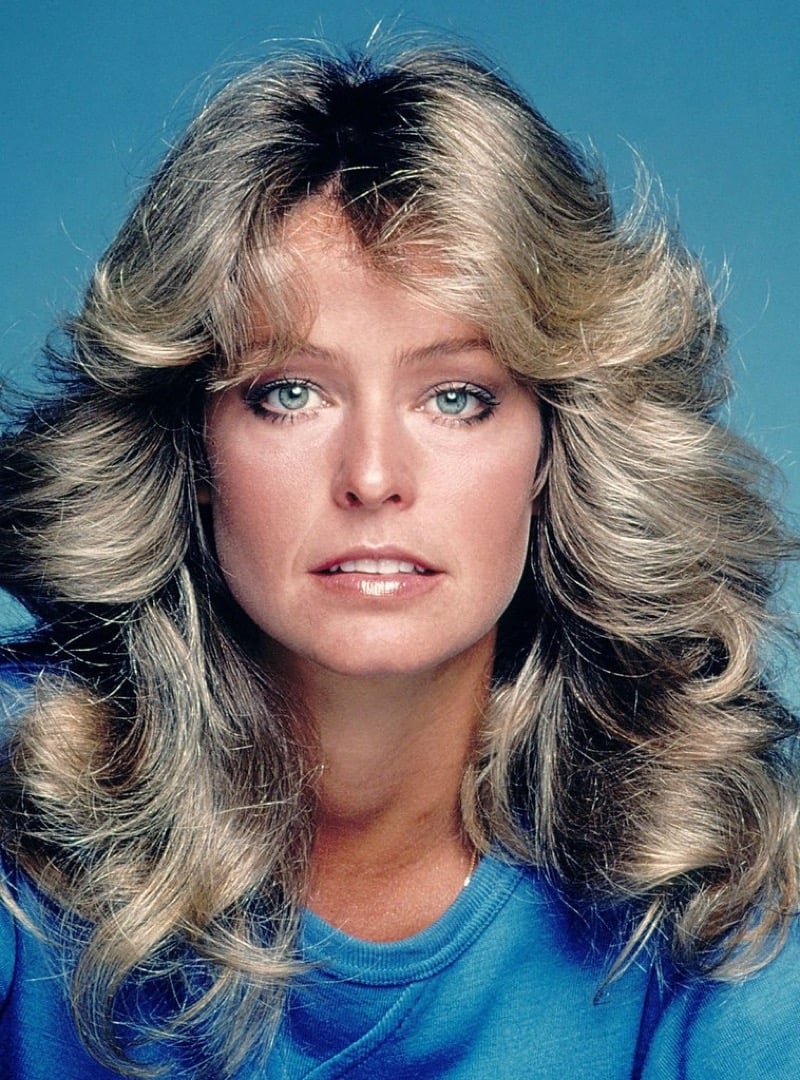
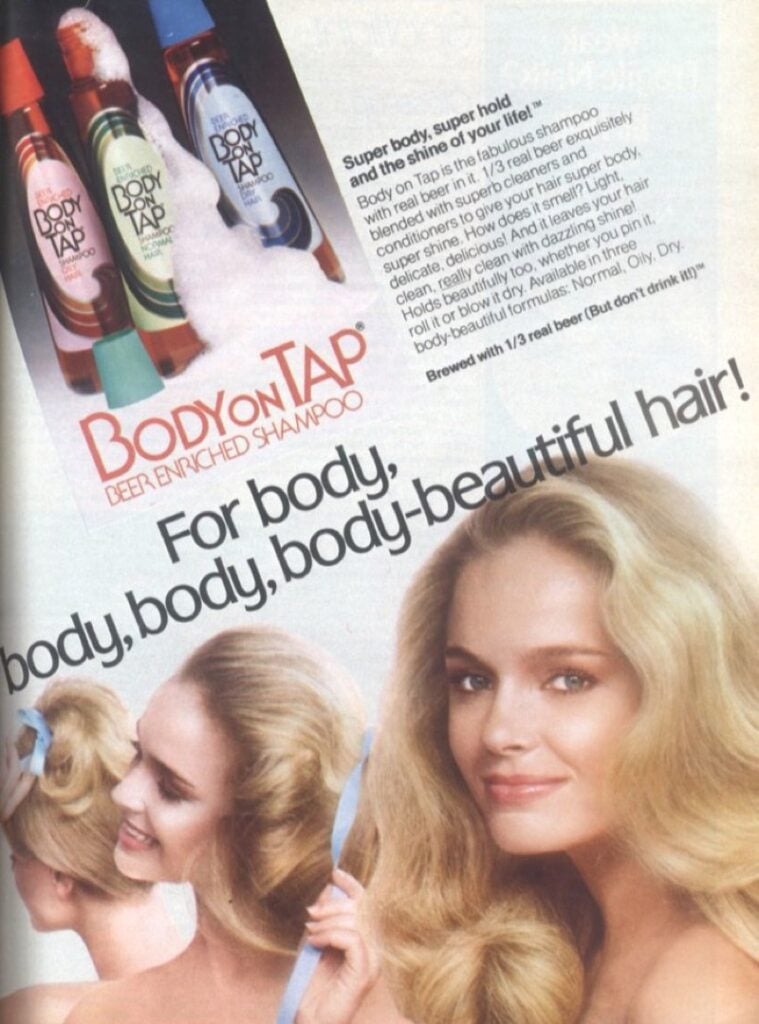
The single most-liked answer in the whole thread (31 reactions) closed its wish list with “lots of beautiful feathery hairdos.” “The Farrah Fawcett hairstyle!” pulled another 17 on its own, and someone else posted a photo of Farrah with no words at all, which in this crowd counts as a complete sentence.
This totally makes sense when you understand how large of a cultural phenomenon this hairstyle was. Charlie’s Angels first aired in 1976, and Farrah’s red swimsuit poster from that same year is often cited as the best-selling poster of all time, selling more than 12 million copies. Hairstylist Allen Edwards is most commonly recognized for developing the cut (a few stylists have claimed it over the years, which tells you how badly everyone wanted a claim to that hair fame). For ten years, women would bring magazine pages into salons so they could get the haircut. Think of it like Jennifer Aniston’s “Rachel” cut, but way more popular.
The good news for those of you actually feeling nostalgic: those swooping, brushed-back layers are one of the simplest ’70s looks to copy in 2026, because the modern version doesn’t require sleeping in rollers. Getting this look back in the day took a LOT of patience with either a Clairol Kindness hairsetter (introduced late in the ’60s, and it sat on many an American bathroom counter throughout the 1970s) or a curling wand, or both. Today a round-brush dryer gets you the same bend at the face in about ten minutes. A set of ceramic hot rollers (yes, they still make them, and they heat up faster than the ones your mother had) will give you the fuller, rounder version that lasts through dinner.
A lot of commenters also called out the Revlon One-Step volumizer as a shortcut way to get the feathery look.
“I have naturally straight hair and it helps give me body. I section it out to blow dry and then clip each section up to cool. Takes about 15 minutes and gives great results. My hair is fine and straight. Looks like I came from the salon.”
Some were less impressed with going back to this style: “I personally don’t care for it. I can’t get my hair to look right without using a curling iron or flat iron which defeated the purpose for me.”
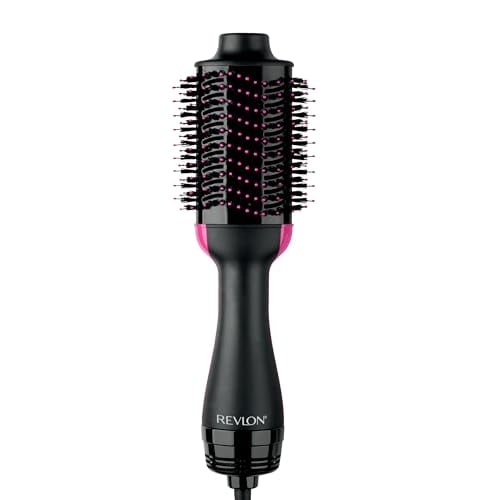
Revlon One-Step Volumizer Hair Dryer and Styler
The round-brush dryer with several hundred thousand Amazon ratings, and the shortcut to a Farrah-style bend.
One technique note: the Revlon One-Step Volumizer works best as a finisher, so rough-dry your hair most of the way first and save the One-Step for the last few minutes of shaping. It also gets your hair incredibly hot (I have one and can attest to this) so try not to use the hottest setting if possible.
From the Hive
The buzz from our Beauty Empties Experts. Sign up to join!
Our BEEs have been recommending the One-Step for the “’70s blowout” for a couple of years now, and the recurring note is that the barrel is big enough to bend hair back without turning it into a full curl. The gripes are real too: it runs hot (use the low setting on fine hair), and a vocal group finds it too bulky for short layers.
2. Faces Nobody Had Injected
Feathered hair won the single biggest comment, but when we added up votes across the whole thread, the biggest block went to a trend you can’t buy at all. In fact, that most-liked comment put both wishes in one sentence: “No duck lips…and lots of beautiful feathery hairdos.” From there the votes piled on. “No plastic surgery and botox” earned 22 reactions. “No nose rings, tattoos, fake hair, duck lips and inflated cheeks” pulled another 22. “No fake lips and no Botox: natural hair and natural without makeup” got 19, and a shorter “No Botox, implants or fillers” chimed in behind it. Comment after comment voted for the years when our faces aged with no help.
Clearly, however, they’re in the minority. The American Society of Plastic Surgeons counted nearly 9.9 million botulinum toxin procedures in the US in 2024, up 4% from the year before, which makes it the most common minimally invasive cosmetic procedure in the country.
I am firmly in the camp that everyone should do what makes them happy when it comes to botox and the procedures they choose to have (or not) have. And for anyone reading the thread and feeling like the only unfilled face left in America, the beauty communities say otherwise. In a recent discussion asking whether anyone still ages without Botox, the top answer (“I think most people are aging w/o Botox.”) collected nearly three thousand upvotes, and the first reply doubled down: “Right? The vast majority of women are not using Botox.” There’s something moving about scanning through hundreds of comments from women in their 60s and 70s with this much agreement that the ’70s face, freckles and laugh lines included, was the better deal. The style they describe (moisturizer, mascara, a good haircut) is essentially the same style being marketed to us as “clean girl” today, fifty years later.
3. The Shag
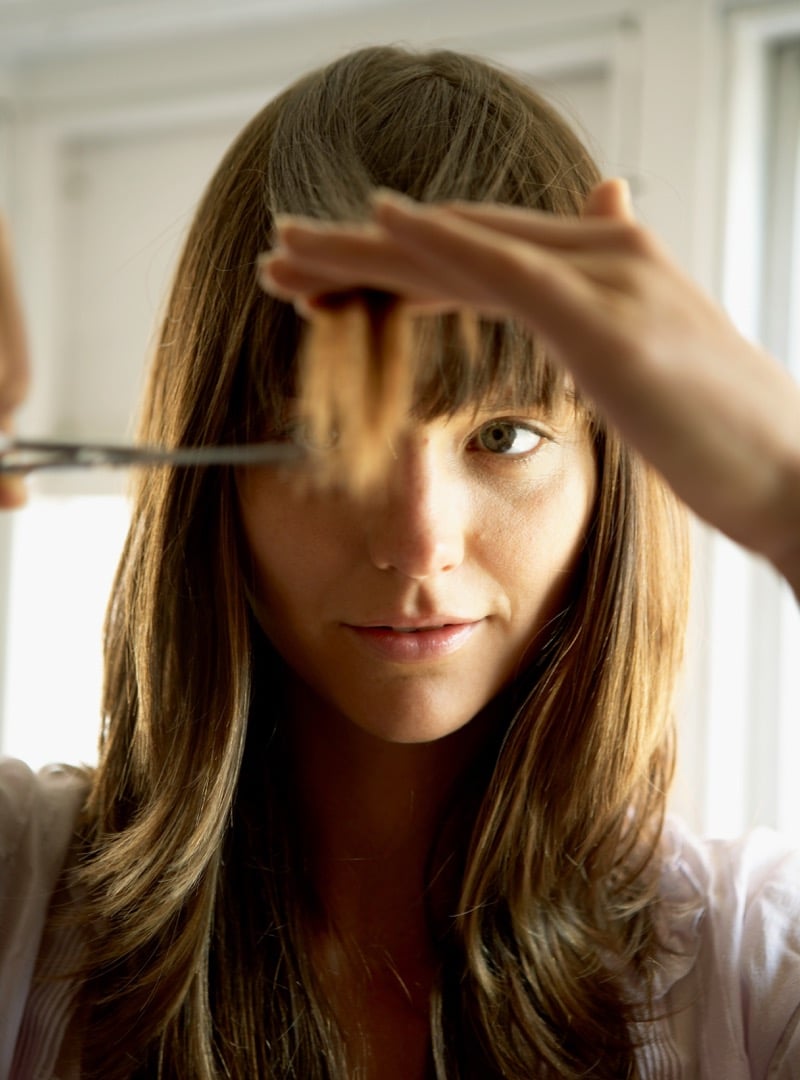
“Shag haircuts” or “shaggy perm got dozens of reactions. The shag is the rare ’70s cut that never went away for long and it keeps coming back under new names. Hairdresser Paul McGregor cut the famous version on Jane Fonda around 1970, the whole country saw it in Klute in 1971, and you can draw a straight line from there to every wolf cut and curtain-bang moment on TikTok right now.
What I loved most in this part of the thread was the practical wisdom hiding in the replies. One commenter wrote: “I wear the closest I can get to a shag. It’s really hard to find somebody wanting to put a lot of layers in thin hair but when they do it’s worth it.”
That matches what women with fine hair say everywhere the cut comes up. “I have thin hair and I go for collarbone length with layers to add volume,” one commenter explained in a haircut-advice thread, and another passed along a pro tip: “If you do go for a shag ask for it to be longer than you really want it to end up.” Layers move, and movement reads as volume, so a one-length bob can sit flat on fine hair while a shag works with what’s there. Bring a photo (Jane Fonda in 1971 remains undefeated) and ask for face-framing layers you can shake out and go.
4. Natural Brows, Lashes, and Lips
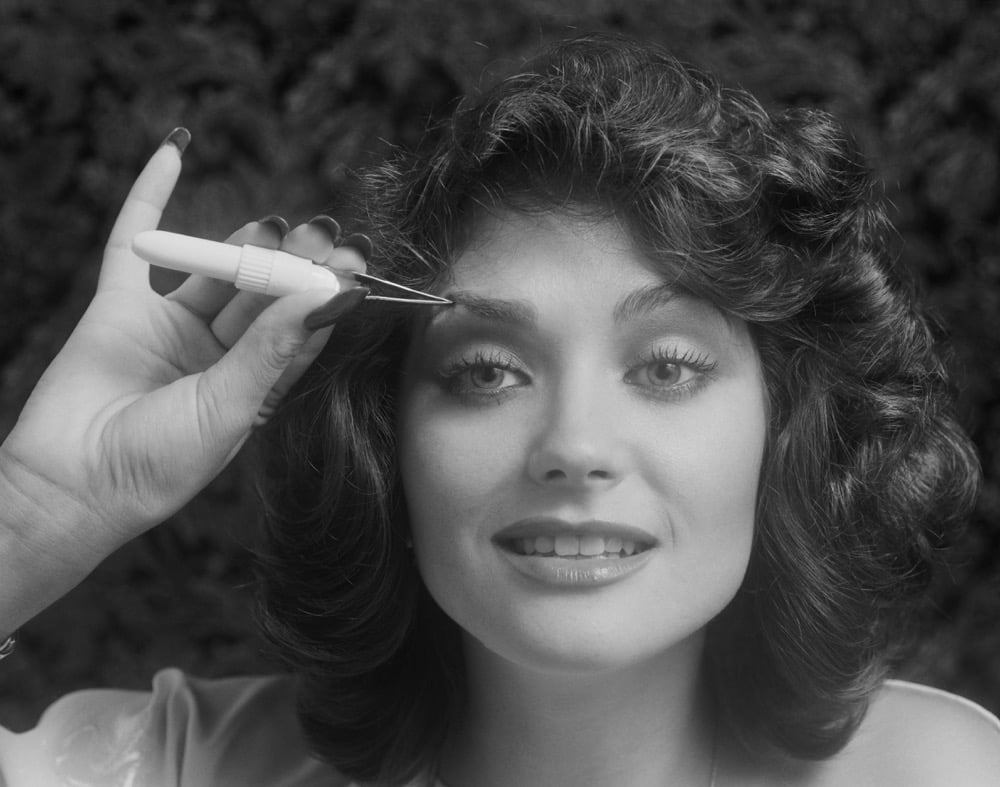
“Natural, thinner eyebrows and natural eyelashes.” That comment collected 16 reactions, and it reads like a direct response to a decade of Instagram brows, lash extensions, and overlined lips. One thing I”d push back on however is natural vs. thinner when it comes to eyebrows, because like the ’90s the ’70s brow left casualties: plenty of women who plucked their brows to look like a silent movie star watched them never fully grow back, since over-tweezing can permanently retire hair follicles. (The brow serum and microblading industries owe those tweezers a lot.)
The version worth bringing back is the totally natural part: brows brushed up and left mostly alone, lashes that have the shape and fullness of lashes, lips in the same color family they were born in. If your brows have already thinned out (whether from ’70s tweezing or age), a tinted brow gel fills them in without any drawing, and it takes about eight seconds each morning. (Or if you need help and want them to grow back for real, I recently used this brow serum and LOVED it.)
5. Colorful Eyeshadow
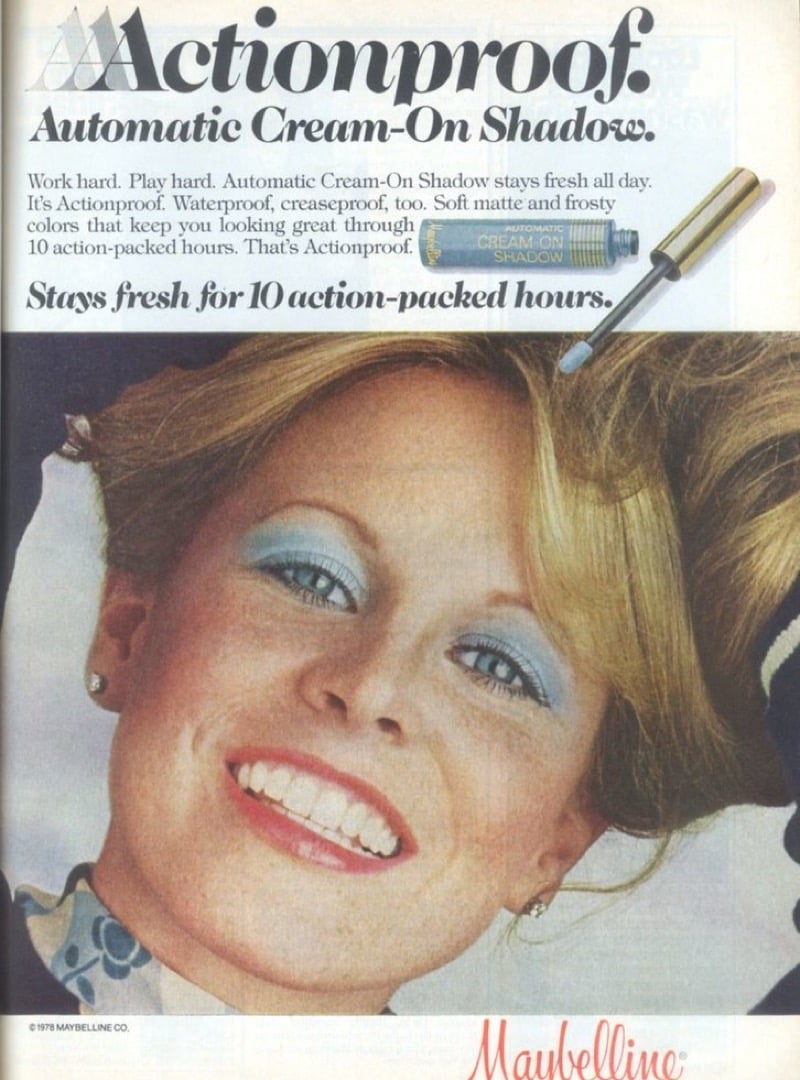
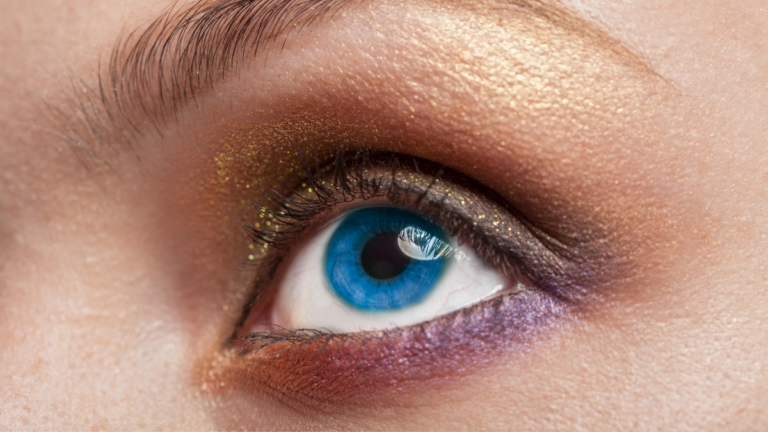
“You don’t see colorful eye shadows anymore,” one commenter said, and dozens of people reacted in agreement. She has a point about the last few years of beige. The clean-girl neutral thing has been lovely and, five years in, a little boring.
There’s some research to support her position. In a 2013 study published in PLoS ONE, researchers Porcheron, Mauger, and Russell reported that facial contrast (the degree of visual distinction between your skin and your eyes, brows, and lips) naturally decreases with age, but turning the contrast back up with makeup makes the same face read as younger. Color around the eyes counts as contrast. Now, I’ve also written about how the frosted powder-blue lid of 1978 wasn’t for everyone (some styles were meant to retire). Today’s version is one wash of muted teal or bronze-plum on the lid, or a colored liner smudged at the lash line, with everything else kept subdued. You get the same joy with better technique.
6. Blue Mascara
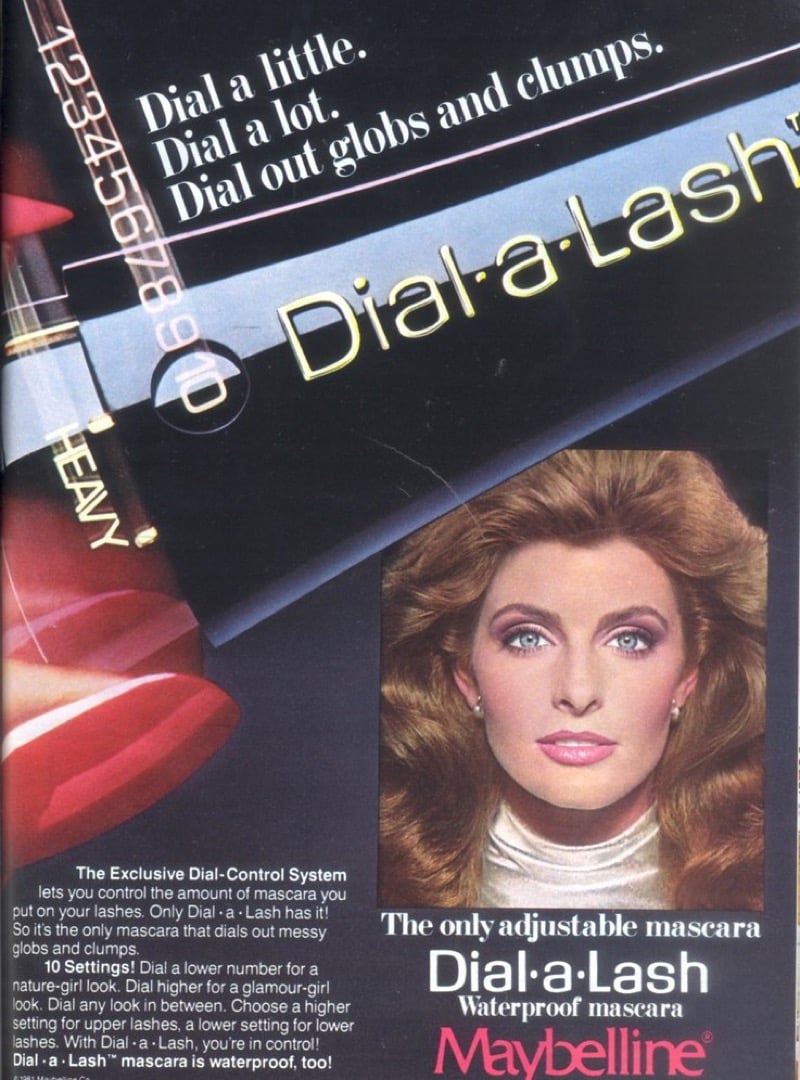
“Blue mascara,” posted one commenter, with a winking emoji. And the reactions said the wink was mutual. This is the one trend on the list you can rebuy in its ORIGINAL packaging, because Maybelline Great Lash launched in 1971, right in the sweet spot of this thread’s memories, and the pink-and-green tube has never left shelves. Fashionista’s oral history of the product reports that a tube of Great Lash sells every 2.5 seconds somewhere in the world. The Royal Blue shade is still in the line today, and you can buy it on Amazon for around the price of a sandwich.
Blue mascara is also the lowest-stakes way to answer the colorful-eye vote above. Navy and royal blue make the whites of your eyes look brighter (that’s the contrast principle again), and on gray or silver hair the effect is downright elegant, fun without tipping into costume. One commenter iwho wore blue lashes again after decades away put the feeling in a sentence: “I love it but makes me nostalgic. When the fashion you wore as a teen makes a comeback it makes one feel old lol.” Feeling old is optional. The mascara is $7.
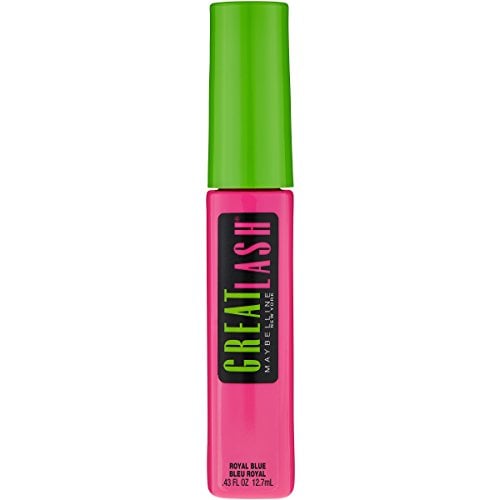
Maybelline Great Lash Washable Mascara, Royal Blue
The 1971 pink-and-green tube in its blue shade, still under $10 and still washable.
If a full blue lash line feels like a leap, start with one coat on the bottom lashes only. You get the hint of color without the full statement.
From the Hive
BEEs keep Great Lash in the buy-it-forever column (with a small warning: the formula is thinner than what we’re used to today). It’ll add length to your lashes, but it won’t make them dramatic, and on very oily lids the color may start to smear by late afternoon. For a colored mascara you’ll wear twice a week, most BEEs call that a good trade at the price.
7. Lip Gloss, the Sticky Shiny Kind
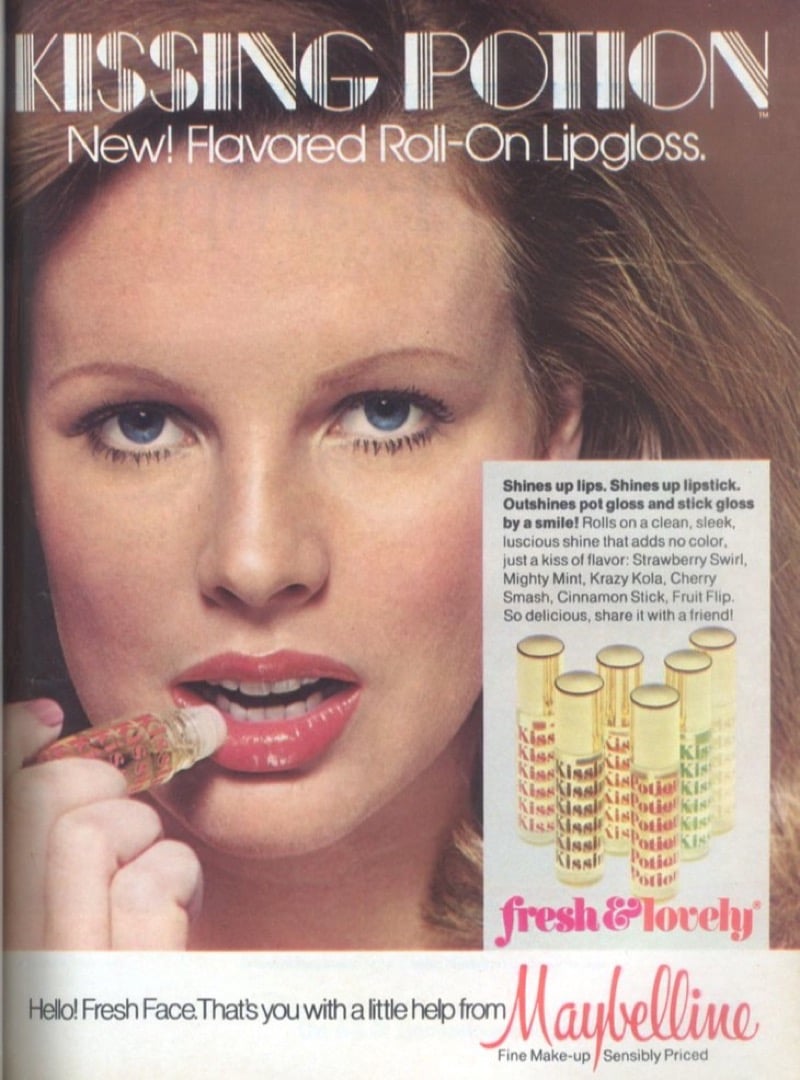
“Lip gloss” collected its votes from women who remember when gloss was an event. In June 1973, Bonne Bell introduced Lip Smackers (billed as the first flavored lip gloss, strawberry first), and Maybelline’s Kissing Potion roll-on arrived mid-decade with ads everywhere. Kissing Potion is long discontinued, which I consider a real loss. But the decade’s other survivor has had a better run than any of us: Clinique’s Black Honey (launched in 1971 as a sheer plum gloss in a pot) was reintroduced as Almost Lipstick in 1989 and sold out worldwide when TikTok users found it again in 2021. It doesn’t get much cooler than going viral fifty years after being born.
The loyalty this shade collects is crazy. “It’s been my go-to since about 2000,” one commenter wrote in a thread about the hype, and another explained why it survives every purge: “It’s really nice to have something that I know will look good on me without the guessing.” One thing to keep in mind before you buy: Black Honey is very sheer and light on color payoff, so if you want a lot of color, it’ll disappoint you. (I put it on and it’s very “meh” on me. If you’re going for a your-lips-but-vaguel-plummier vibe, it works like a charm.
But if more of what you miss is specifically the squishy roll-on feel of a gloss like Kissing Potion, NYX Butter Gloss (the drugstore favorite with a cult of its own) has the closest modern texture. It stays cushiony without turning sticky, and it’s cheap enough to lose in three purses at once.
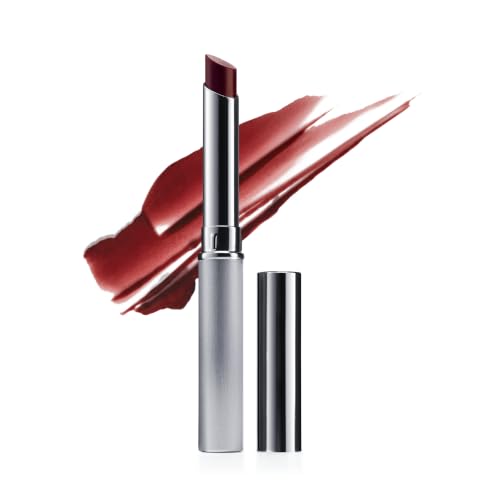
Clinique Almost Lipstick in Black Honey
The 1971 sheer plum that flatters nearly everyone and went viral half a century later.
8. The Mud Mask Ritual
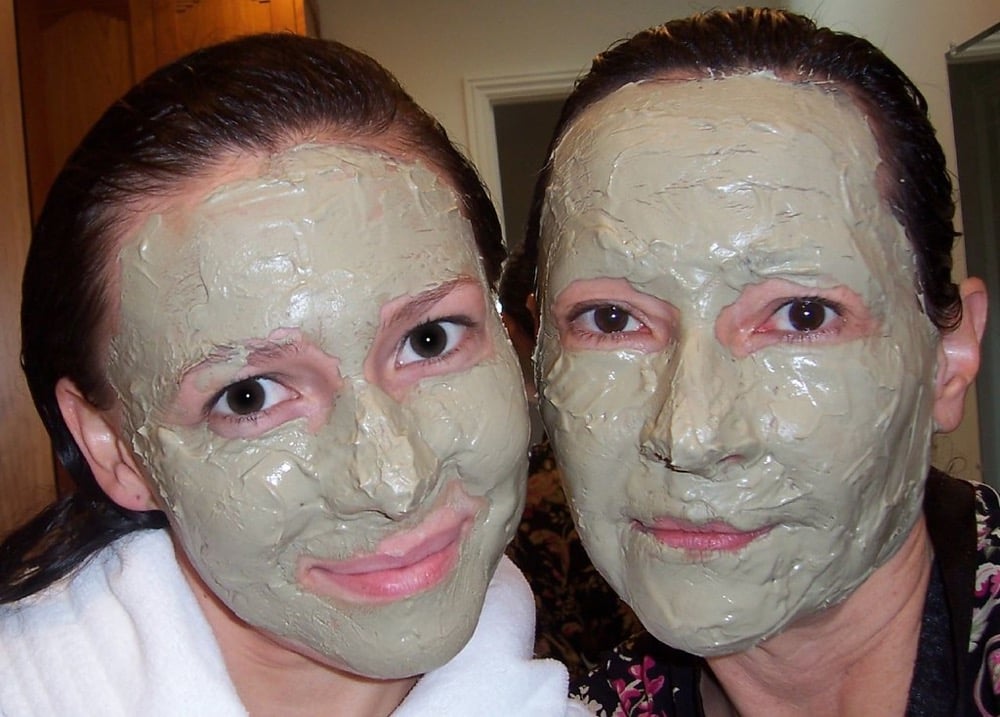
“Mud pack facials,” one commenter wrote, and I could smell the mint through the screen. If you did your masking in the ’70s, odds are the jar was Queen Helene’s Mint Julep Masque, the green drugstore classic from a brand that dates back to the 1930s. It’s still on Amazon for about the cost of a fancy coffee, and it still turns your face into a cracked green riverbed while it pulls oil out of your pores. Clay hasn’t changed its job description in fifty years, and neither has the feeling of accomplishing something while lying completely still.
The mask that inherited the ritual, though, is Aztec Secret Indian Healing Clay, the plain tub of 100% calcium bentonite clay with tens of thousands of Amazon ratings. “The tub will last you FOREVER! This is my fave mask,” one reviewer wrote, and the mixing question has become its own little debate club (“Do you mix it with apple cider vinegar or water? I’ve tried it with both and I can’t decide which I like better”). You mix it yourself, in other words (exactly the kind of small kitchen chemistry the ’70s would have approved of), and the label famously promises you’ll feel your face pulsate. It’s an intense level of clay compared to other masks, so two times per month is plenty. I love this mask but I am often too lazy to want to use it because I don’t want to mix (or do the cleanup after) so my go-to ends up being Kiehl’s Rare Earth Deep Pore Cleansing Masque.
Those who tend toward dryness should decrease their application time and use a heavier moisturizing cream after each session, or opt for the less severe Mint Julep. Either way, bringing back the Sunday-night mud ritual will cost you under $20.
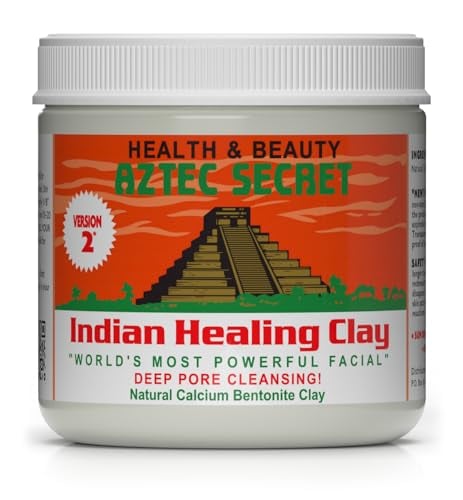
Aztec Secret Indian Healing Clay
A plain tub of bentonite clay you mix yourself, and the modern heir to the mud pack.
Mix it in a glass or plastic bowl with a non-metal spoon (the label warns against metal), and work with a thin layer unless you enjoy the full plaster-cast effect.
From the Hive
The Aztec tub is a BEE staple that comes with a FIRM asterisk. Skin usually looks noticeably smoother after, but reactive skin can stay red for an hour or two, so BEEs recommend a patch test and a five-minute first session instead of going all the way through the crackle. And beware… the vinegar smell while mixing is REAL, so mix it near a window.
The Write-In Votes
A few answers were too good to leave in the thread. The fashion caucus showed up in force behind one comment that got a ton of reactions: “Clogs, bell bottoms, tube tops, halters, cut off shorts, tie dye shirts. And good music.” The replies under it turned into a small reunion (“I still wear bell bottoms, clogs and tie dye,” one answered, and another remembered “white clogs with pin holes”). On the beauty side, “Stockings” earned seven approving reactions (the sheer, put-together kind, presumably with the seams optional this time). “Big hair” got four votes, and as someone who has written about what was actually inside those 1970s hairspray cans, I’d suggest we bring back the height but not the propellant.
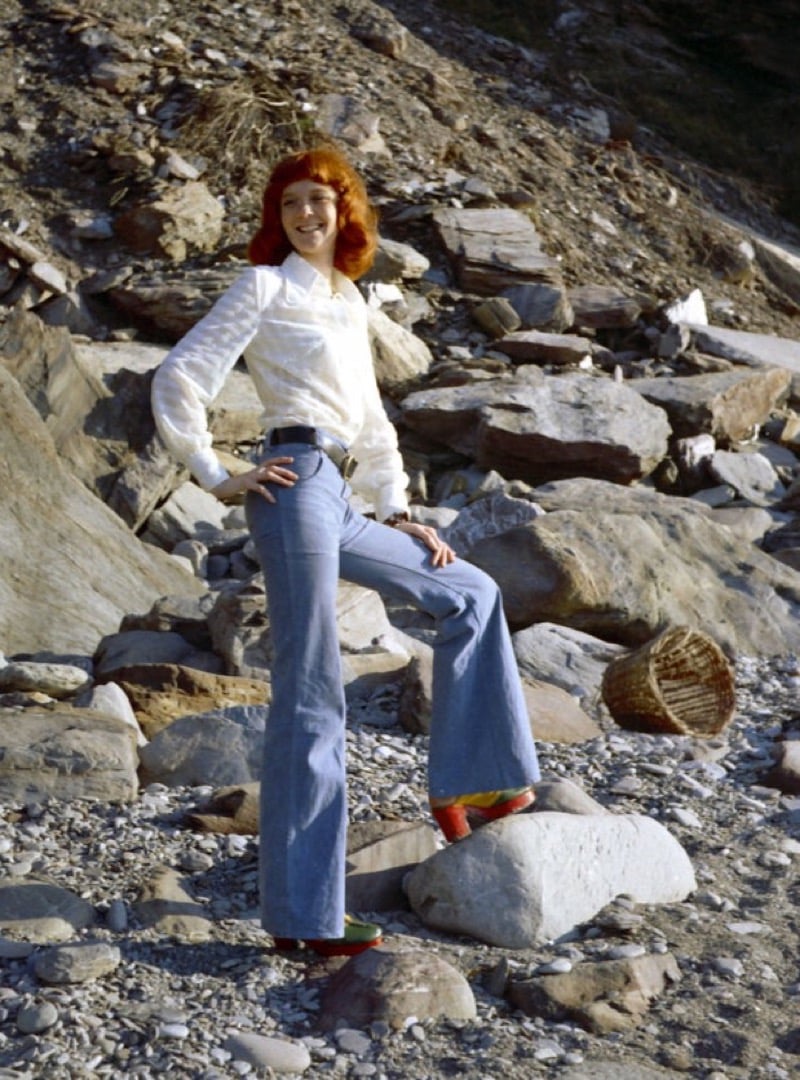
One commenter remembered that “there would be lots of perfume products on TV. They were the must haves!” She’s right, and the biggest of them all was Charlie by Revlon, launched in 1973, marketed to the new single working woman (its ad was reportedly the first perfume ad to put a woman in pants), and within about three years the best-selling fragrance in the world. And one commenter simply asked for “long shiny beautiful hair,” a request I co-sign completely.
Reading the thread again, I was struck by how little any of these products still cost. A set of curlers, a seven-dollar mascara, a container of green clay, and a cancelled trip to the plastic surgeon. Priceless! In my mind the ’70s are always about excess (the glitter, the disco, the clouds of Aqua Net), but the women who were there voted for an understated take on beautiful, and most of it still, thankfully, at the drugstore waiting for us.
A cruelty-free mark means the brand is certified by PETA, Leaping Bunny, or both at the time of writing. A missing mark doesn’t mean a brand tests on animals; it just means the brand isn’t certified by these programs.
What Our BEEs Are Buzzing About
Here’s what the beauty community is saying about these products:
Want to become a Beauty Empties Expert?
BEEs get free products to test, exclusive discount codes from our brand partners, and live access to The Hive sessions with dermatologists and beauty editors. Spots are limited and hand-picked.
Related Articles
- 8 Beauty Products We All Used in the 1970s That Would Be Banned Today
- 12 Beauty Products Only Women Born Before 1970 Will Actually Remember
- How to Lift Your Face With Makeup, No Needles Required
- Eyeliner Over 50? Here Are 7 Habits Worth Updating, According to Makeup Artists
- 15 Amazon Beauty Products With True Cult Followings