10 Non-Toxic Body Care Swaps Worth Making (and the Ones You Can Skip)

First, a reality check: “non-toxic” is not a regulated word. Any brand can print it on anything, and a lot of the scariest claims about your body wash and your perfume are marketing, not evidence. So this isn’t a list meant to scare you. Some of these swaps are worth making for actual reasons, like sensitive skin, fragrance you can actually read on the label, or to help put less plastic in the ocean. Others just come down to, well, preference. And a few ride on a “toxic” label that doesn’t really mean anything.
If you buy through our links, we may earn a small commission at no cost to you. As an Amazon Associate, we earn from qualifying purchases. Our policy
To sort the real concerns from the internet ones, I leaned on the dermatologists and cosmetic chemists who do this for a living, plus the reviewers who have tried every clean swap you can think of so you can skip the duds. One of them framed the whole category better than I could: “‘Clean’ brands mean absolutely nothing. There is zero regulation. You cannot avoid chemicals, everything is a chemical, and anything can be toxic in the right amount.” These are the ten swaps worth knowing about, and the truth behind each one.
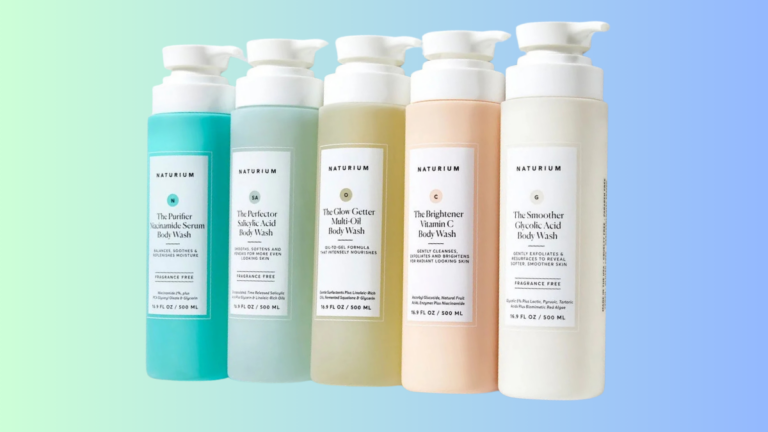
1. Swap a stripping body wash for a gentle, fragrance-free one
The big fear with body wash is sulfates, the idea that the foaming agent in most washes is “toxic” or even cancer-causing. It’s the claim with the least behind it. Sodium lauryl sulfate is not a carcinogen, no matter what that forwarded email from 1998 told your aunt. “There’s really no evidence that SLS is harmful to human health, that it’s carcinogenic,” says board-certified dermatologist Dr. Andrea Suarez, known on YouTube as Dr Dray; “the only people telling you it’s bad are those trying to sell you a product that doesn’t contain sulfates.”
If you switch, it should be about comfort, not safety. Sulfates can strip the oils that keep your barrier happy, and reviewers with reactive skin feel it. “SLES isn’t always drying, it’s the formulation that matters,” one points out, while another swears by “a soap-free oil-based body wash” that lets her “wash every day” and “helped with having generally itchy skin.” If you’re eczema-prone, a gentler, fragrance-free bar is a tolerability upgrade, not a rescue from a toxin, and “Vanicream is also excellent for sensitive skin,” as one reviewer put it plainly.
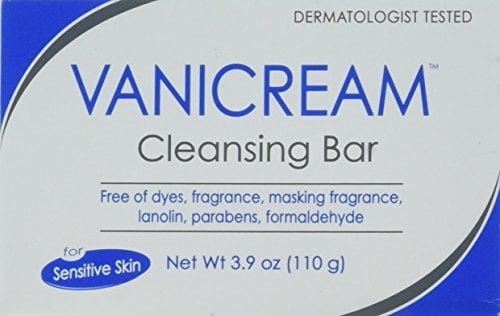
Vanicream Cleansing Bar (Fragrance Free)
A fragrance-free, gentle bar dermatologists reach for with sensitive, easily irritated skin.
2. Swap plastic-microbead scrubs for salt or sugar
This swap is worth making, and the reason is environmental, not personal. Plastic microbeads were banned from rinse-off products by the federal Microbead-Free Waters Act of 2015, a law passed to protect lakes and oceans (the beads slipped through water treatment and into fish), not because they were poisoning your skin. A salt or sugar scrub does the same job without adding plastic to the water.
Reviewers are split on whether you even need a physical scrub: “There’s no need to use physical exfoliating, in my opinion,” one argues, preferring “body wash with AHA/BHA a few times a week,” while another “had better luck with salt scrubs.” Reviewers’ best tip here isn’t about chemicals at all: “use body scrub on your legs first,” one writes, because it “helps soooo much not to shave as often and get a smooth close shave.” Go gently either way, since the goal is to buff, not to sand, and never right after shaving.
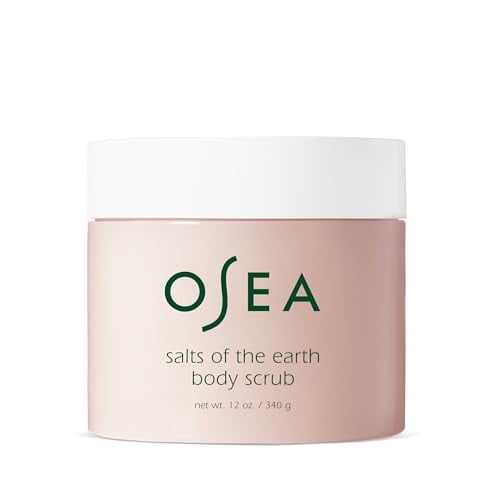
OSEA Salts of the Earth Body Scrub
A Pink Himalayan salt scrub that exfoliates with zero plastic microbeads. A splurge, but a tub lasts. Certified cruelty-free (PETA).
3. Swap a heavily scented lotion for a fragrance-free body oil
If anything in a body product is going to irritate you, it’s usually the fragrance, and natural essential oils are not a free pass. “It doesn’t matter if it’s natural or perfume that came out of a test tube,” Dr Dray notes, “the same issues can arise of contact dermatitis.” So the meaningful swap for reactive skin is scented-to-fragrance-free, not synthetic-to-natural.
The one thing reviewers say over and over: put the oil on while your skin is still damp. “The thing that has helped soften my skin the most is applying body oil while my skin is still damp,” one reviewer told us, “so I’m not drying off before applying.” If a classic oil feels heavy, “try a drier oil, like jojoba,” suggests another, and one acne-prone reviewer reaches for squalane because it’s “the only oil I can use, and it absorbs really fast.”
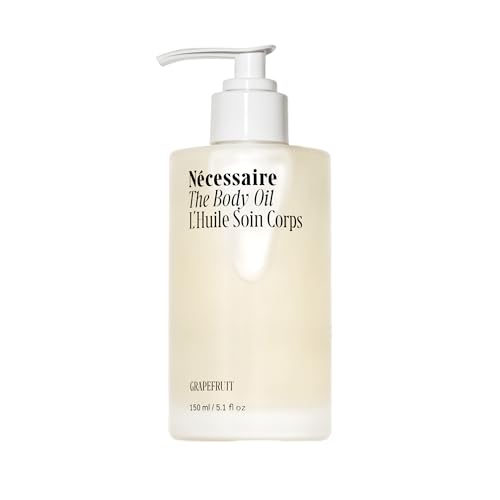
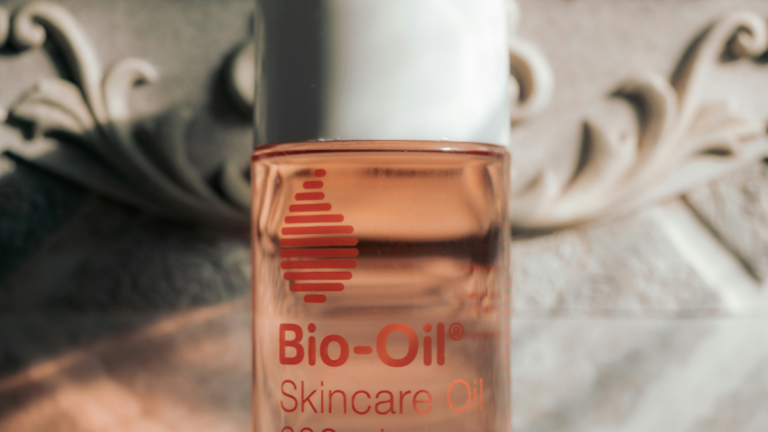
Nécessaire The Body Oil
A multi-oil body treatment that also comes in a fragrance-free version for reactive skin.
4. Rethink “petrolatum is poison” before you swap your body butter
This is a swap I’d talk you out of for the wrong reason. Petrolatum and mineral oil top a lot of “toxic” lists, and the science doesn’t back it. “Human studies fail to substantiate the claim that mineral oil or petrolatum clog pores,” Dr Dray notes, and cosmetic-grade petroleum jelly is one of the best, cheapest barrier moisturizers there is. So buy a clean body butter for the texture or the plant oils you prefer, not out of fear.
Reviewers who’ve tried everything tend to mix high and low anyway: “Vanicream, followed by Aquaphor for slugging, also shea butter, those are the most moisturizing and affordable products I can think of,” says one. How you apply it matters more than what’s on the label. “Shea butter works best when you apply to damp skin,” another explains, going “in sections,” patting dry and massaging it in, and one reviewer credits a rich butter with having “practically reversed my keratosis pilaris to nothing.”
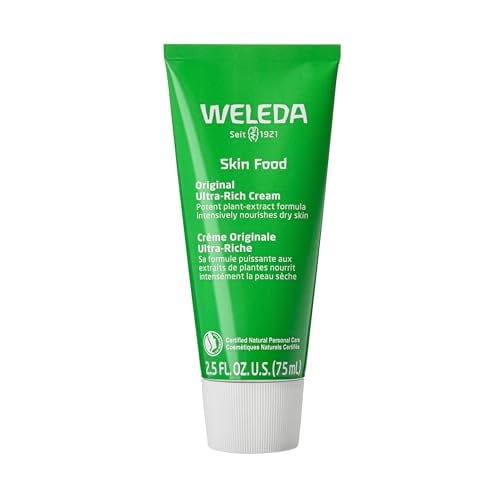
Weleda Skin Food
A rich, plant-based cream if you’d rather skip petrolatum on feel or scent preference.
5. Swap a mystery “fragrance” for one that shows its work
This is the swap people get most worked up about, so it’s worth getting right. The “perfume disrupts your hormones” claim is mostly a misread. “Endocrine disruptor” is a technical term that often “just means it binds weakly to receptors in a test tube,” explains cosmetic chemist Michelle Wong, PhD, of Lab Muffin Beauty Science, and at fragrance concentrations the levels are “usually at least 100 times too low to have any effect.” Reviewers who know the space say the same: “non-toxic is largely a marketing term and IFRA standards are already quite strict,” one writes, warning that “you’re wading into a side of the industry that’s riddled with pseudoscience and scaremongering.”
There is one real issue here, and it’s the labeling loophole. US rules (21 CFR 701.3) let brands hide a scent’s components under the single word “fragrance” as a protected trade secret, so the label won’t tell you what’s in it. If you want transparency, the real swap is a brand that discloses, like the one a reviewer flagged: “Henry Rose does this on their website, and they make some nice-smelling perfume.”
Or just pick a clean line you love. “I get ‘you smell so clean’ when I wear Rosie by Rosie Jane,” says one, while another rates “the Skylar line, vegan, cruelty-free and hypoallergenic.” Either way, you’re choosing a product you like, not running from a scare.
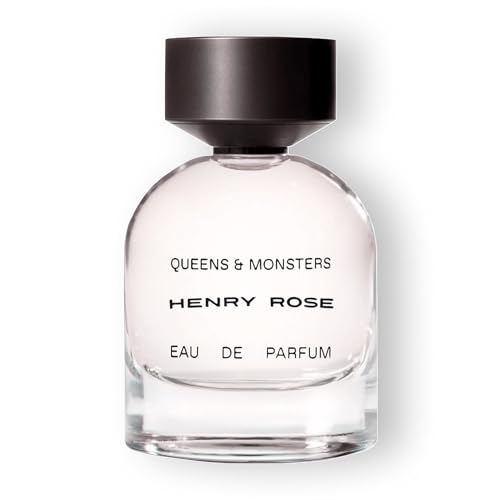
Henry Rose Eau de Parfum
An EWG-verified fragrance that publishes 100% of its ingredients, loophole and all.
6. Swap your deodorant for skin reasons, not cancer ones
Let’s bury this one for good: the idea that aluminum in antiperspirant causes breast cancer or Alzheimer’s has been examined and rejected by the National Cancer Institute, the American Cancer Society, and the Alzheimer’s Association. People who switch usually do it because of the underarm itself, “a very vulnerable area” for contact dermatitis, as Dr Dray puts it, since deodorants are “basically perfume in a stick.” The reviews are one long story of trial and error. “Native did nothing for me,” one writes; another says a popular natural brand “gave me an awful rash and then made my armpit skin peel off.”
But the converts are loud: “I use a salt stone, same stone for years now, it lasts forever,” says one, while a second calls the “unscented charcoal Ethique deodorant” simply “perfect,” and a third reports that “WILD deodorant works wonders.” Most reviewers eventually figure out that if a natural deo burned, “it might take a few days to return back to normal,” and the culprit was usually the baking soda, not the missing aluminum. One thing to know going in: deodorant only masks odor. It won’t stop you sweating the way an aluminum antiperspirant does.
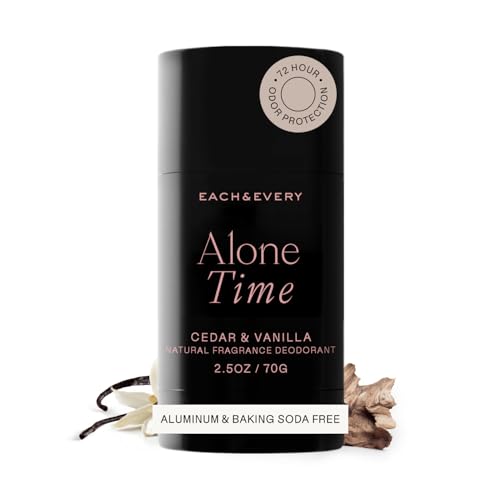
Each & Every Natural Deodorant
An EWG-verified, baking-soda-free formula that’s gentle on underarms (it masks odor, it won’t stop sweat). Certified cruelty-free (PETA).
7. Swap to mineral sunscreen if you like it, not because chemical is “toxic”
Mineral sunscreen is a great option. Its case just tends to get oversold. Chemical filters are not proven hormone disruptors in people; the EU’s expert panel, re-examining them, found “not enough evidence to say any of them were endocrine disruptors,” notes Michelle Wong. Some do absorb into the blood (the FDA-led studies in JAMA in 2019 and 2020 confirmed it), but as those researchers wrote, “these results do not indicate that individuals should refrain from the use of sunscreen.” Absorption is not harm.
Mineral zinc and titanium are excellent for reactive skin or reef-friendly travel, and the trade-off reviewers flag is the white cast. “One of the worst white casts I’ve ever seen,” one says of a popular mineral pick, “I looked like a clown.” Another loves the protection but admits “you turn into a ghost.” Newer formulas are better: one reviewer names “Ren Clean Sunscreen Mineral SPF 30” as a favorite that “goes on light, blends well.” The best sunscreen, as Dr Dray says, is the one you’ll reapply.
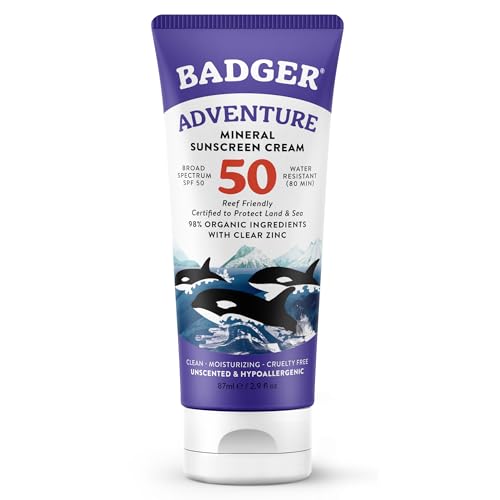
Badger Mineral Sunscreen SPF 50
A reef-safe zinc-oxide sunscreen that’s easy on sensitive skin. Chemical SPF is fine too, this one is for preference. Certified cruelty-free (Leaping Bunny).
8. Swap to a “free-from” nail polish (but know what it does and doesn’t fix)
The nail-polish “toxic trio” is real: toluene, formaldehyde, and dibutyl phthalate. The difference is the dose. Per OSHA, the documented hazard is chronic inhalation for nail technicians working over open bottles all day, not your occasional kitchen-table manicure, and most brands dropped the trio years ago, so “3-free” is closer to standard than premium now. A higher number like “10-free” is marketing as much as chemistry, and “free-from” labels aren’t independently policed.
What reviewers care about isn’t the chemistry, it’s the wear, and Olive & June has the fans: “they last me a full week with no chipping,” says one, while another “consistently gets 7+ days,” though she “always uses a base coat, which they don’t recommend, which I find baffling.” The cult quick-dry pick, Dazzle Dry, splits the room. One credits it as what “got me back into polish after a very long break,” another that it “chipped within 3 days, so disappointing,” and a third balks that “twenty-two dollars a shade is kind of ridiculous.”
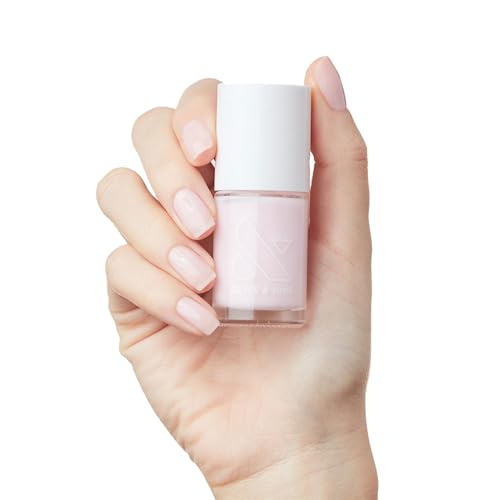
Olive & June Nail Polish
A 15-free, vegan polish that skips the toxic trio, in a long-wear formula that lasts up to a week.
9. Swap a disposable razor for a metal one (purely for the planet and the shave)
No sugarcoating it: there’s no toxicity angle here, and pretending there is would be exactly what this list is trying to avoid. A safety razor is an eco and quality swap, full stop. One metal handle replaces a landfill of plastic disposables, and the blades cost pennies. “I’ve probably spent thirty dollars on razor and blades in the last decade,” one reviewer figures. The shave can be closer, too, with a learning curve, and the Leaf razor has a real following.
“I have the Leaf razor and I love it,” one writes, noting a “50 pack of blades for a few dollars,” while another switched after “two years” of nicks on a traditional safety razor and is “so glad I did.” Reviewers are honest about the trade-offs, though. A safety razor “cuts the hair right down to skin level,” which means fewer ingrown hairs but a smooth feel that “doesn’t last as long,” and a cartridge still wins on speed. A single blade “is always going to take longer to get similar results, and that’s just the trade-off,” one notes, and one reviewer “hated them” for that very reason: “you have to go slowly and carefully.”
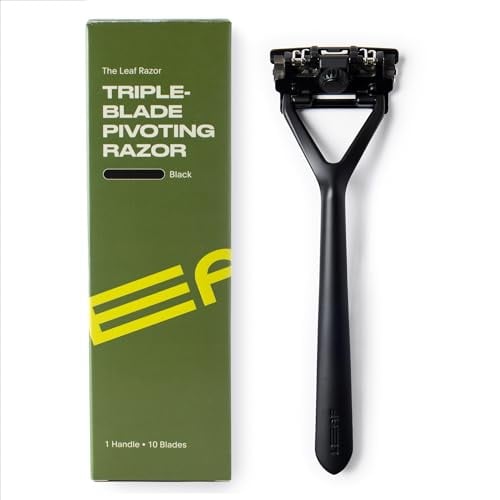
Leaf Shave Razor
An all-metal, pivoting-head safety razor that cuts plastic waste and blade costs, with a closer shave.
10. Swap to SLS-free toothpaste, but keep the fluoride
This is where “non-toxic” advice goes most wrong, so read the fine print. A lot of “clean” toothpaste is also fluoride-free, and that’s a downgrade you don’t want. The American Dental Association is unambiguous that fluoride is safe and effective at preventing cavities, and reviewers who’ve done their homework agree. “Without fluoride the enamel on your teeth will decay significantly faster,” one warns, and a dental-hygiene student in another thread put it bluntly: “it’s great to see toothpaste recommendations with fluoride. I don’t know why all these companies seem to think that people who care about the environment are all anti-fluoride.”
The swap worth making is sodium lauryl sulfate, the same foaming agent from swap one. A 2019 review found that canker-sore-prone people may get fewer of them on an SLS-free toothpaste, though the studies were small. So look for a toothpaste that’s SLS-free and still has fluoride. As for the rest of the routine, a “metal tongue scraper” is the cheap upgrade reviewers rate, while oil pulling stays an add-on. “Coconut oil isn’t going to protect your teeth as well as a proper toothpaste,” as one put it, and the ADA agrees that neither it nor scraping replaces brushing and flossing.
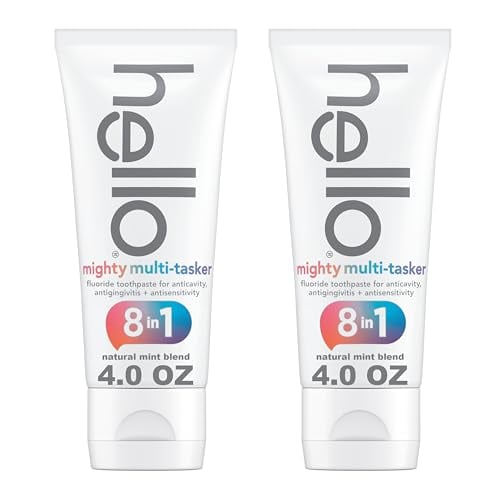
hello SLS-Free Fluoride Toothpaste
SLS-free (gentler if you’re canker-sore-prone) and still fluoride-protected, which is the part you want to keep. Certified cruelty-free (PETA).
A cruelty-free mark means the brand is certified by PETA, Leaping Bunny, or both at the time of writing. A missing mark doesn’t mean a brand tests on animals; it just means the brand isn’t certified by these programs.
What Our BEEs Are Buzzing About
The beauty community is putting these clean swaps to work:
Want to become a Beauty Empties Expert?
BEEs get free products to test, exclusive discount codes from our brand partners, and live access to The Hive sessions with dermatologists and beauty editors. Spots are limited and hand-picked.