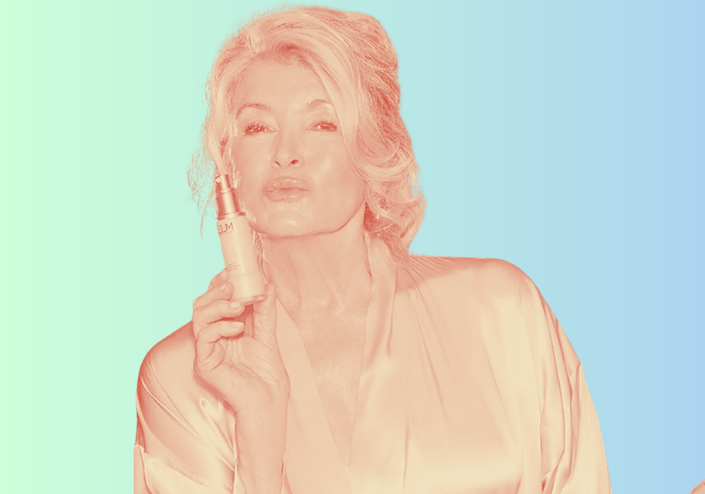
7 TikTok Skincare Trends That Actually Work

Every product on Beauty Empties is one that actually gets used up and bought again. Some of the links in this post are affiliate, which means we may earn a small commission if you make a purchase, at no extra cost to you. Thanks for being here!
Beauty TikTok moves fast, and most of what we scroll past is just noise. For every routine worth trying, there’s someone taping their face shut overnight, rubbing in beef tallow, or swearing a $4 ingredient erased ten years off their forehead (it did not). Telling the smart ideas from the silly ones is basically a part-time job at this point!
The funny part is that a few of these trends were never influencer inventions. They’re things dermatologists were doing in their offices for years before anyone filmed it, now repackaged with a catchy name and a ring light. We read through the research on the ones blowing up right now, the actual studies and what derms say, and these seven held up. None of them are magic, and every one comes with a string attached worth knowing before you spend a cent. A quick housekeeping note first: test anything new on a patch of inner arm for a few days, introduce one thing at a time so you know what’s working, and wear SPF in the morning, because half of these get a lot less impressive if you skip it.
1. Slugging
Slugging is the one that looks the most ridiculous on camera and has some of the oldest science behind it. You do your normal nighttime routine, then seal everything in with a thin layer of plain ointment as the very last step. The shiny, greasy finish is where the name comes from (you, glistening like a slug, very glamorous). What it’s actually doing is putting a barrier over your skin so the water underneath can’t escape while you sleep, which is the same reason derms have handed out petroleum jelly for decades to treat eczema, cracked hands, and skin that’s healing after a procedure. One warning before the fans get the floor, from a user who tried it on closed comedones: “it broke me out the worst i’ve ever broken out in my life. so now im going back to square one” and, in her words, “im so pissed.”
If your skin runs dry, tight, or flaky, this is one of the most useful tricks in skincare, and one of the cheapest. The trade-off is worth taking seriously, though. If you’re acne-prone, oily, or you get those small bumpy breakouts along your hairline, sealing everything in can trap oil and make things worse. The videos skip two more rules. Apply it to slightly damp skin, not bone-dry, and never slug directly over a retinoid or an acid, because the seal can push those deeper than you want and leave you raw by morning. Aquaphor is the one most people reach for, but it contains lanolin, so if you react to wool or you’ve had a reaction to it before, CeraVe Healing Ointment is the lanolin-free version with added ceramides, and plain Vaseline is the no-frills option for a couple of dollars. The fan reports have a particular shine to them (“I go to bed looking shiny as heck and wake up with glowy skin,” as one Redditor put it), and the warnings come from the acne-prone corner, in all caps: “BE CAREFUL WITH OCCLUSIVES AND SLUGGING!!! This completely broke me out and left me with worse acne that scarred.” One user who wanted it to work for her winter dryness found “it just broke me out.” If you break out easily, this is the trend to skip.
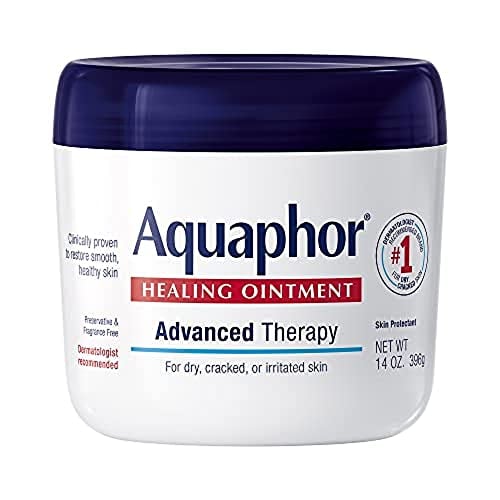
Aquaphor Healing Ointment
Best for dry, flaky skin that drinks up moisture overnight. Aquaphor is mostly petrolatum with a few barrier-friendly extras, and it’s the ointment most people mean when they say slugging. A pea-size amount over your moisturizer is plenty (more just smears onto your pillowcase). The one catch is the lanolin, which a small number of people react to, so if you have a wool allergy, reach for CeraVe Healing Ointment instead. Skip it entirely on nights you use retinol or acids.
What Our BEEs Say
BEEs who slug in winter swear their flaky patches and the dry skin around their nose clear up within a few nights, and a lot of them only do it two or three times a week rather than nightly. The dividing line is skin type. The BEEs who broke out almost all have oily or acne-prone skin, and the ones who love it tend to be dry to begin with. The most repeated tip from the group: a thin layer is the whole game, and pillowcases pay the price if you overdo it.
2. Skin Cycling
Skin cycling came from an actual dermatologist, which already sets it apart from most of what trends on the app. Dr. Whitney Bowe (a board-certified NYC derm) coined the term for a four-night rotation she’d been recommending to patients for years: night one is a chemical exfoliant, night two is a retinoid, and nights three and four are recovery, meaning nothing stronger than a moisturizer. Then you start over. The point is to space out the ingredients most likely to irritate you so your skin gets the benefits without the angry, peeling, over-did-it phase that makes most people quit retinol in week two. The threads are full of versions of this arc: “My skin couldn’t handle 0.05% tret, I gave it a lot of time and even tried sandwich method but it wasn’t happy,” one 40-year-old wrote, who is now on a lower strength “3-4 days apart with skin cycling and it seems to be going ok the last few months. Not too much peeling or irritation.”
It works because it forces you to slow down. Bowe says you should see skin looking more even and hydrated after about two cycles, with the bigger stuff (texture, fine lines, dark spots) showing up over a couple of months of sticking with it. The retinoid is the engine of the whole routine, which is why the product below is a retinol rather than the exfoliant. There’s a limitation worth naming. Skin cycling is a schedule, not a shortcut, and if you already use retinol nightly without a problem, dialing back to one night in four might slow your results rather than speed them. For everyone whose skin can’t tolerate that pace, though, this is the gentlest on-ramp there is. Pair it with a glycolic or salicylic acid on your exfoliation night and you have the full method. The pattern in community threads is people who finally made retinoids stick: “Since learning and implementing a cycling routine, my skin has finally healed and I can properly use retinol,” one wrote after burning out her barrier, and a 34-year-old who has cycled for a few years reports “GREAT results. I never get a break out the way I’ve done it and my skin feels smooth.”
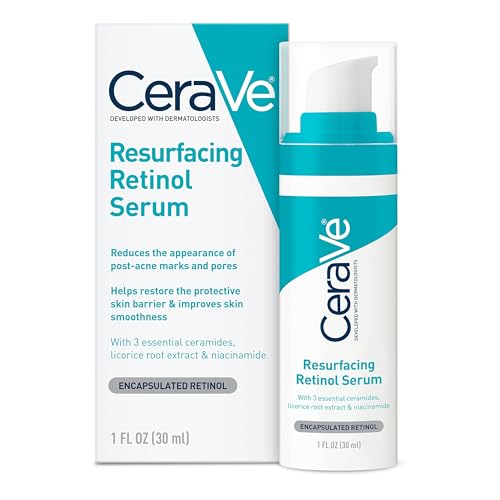
CeraVe Resurfacing Retinol Serum
The retinoid that makes the rotation worth doing. This is an encapsulated retinol, which releases slowly and tends to irritate less than a straight one, and it’s buffered with niacinamide and ceramides plus licorice root to fade post-breakout marks. That gentleness is the selling point for night two of a cycle and the reason it’s an easy first retinol. If you’re a longtime retinol user with leathery tolerance, you may find it too mild and want a stronger formula. It’s fragrance-free and won’t clog pores.
What Our BEEs Say
Skin cycling is how a lot of BEEs finally made retinol stick, after years of starting and quitting because their skin flaked off. The recovery nights are what they credit. A few report that once their skin adjusted, they slowly added retinol nights back in and treated the four-night version as training wheels, which lines up with how Dr. Bowe describes it. The one gripe: it takes patience, and BEEs hoping for a fast fix tend to wander off before the two-month mark when the real change shows.
3. Hydrocolloid Pimple Patches
The little stickers you slap on a zit before bed are not a gimmick, which surprised me too. Hydrocolloid is a wound dressing borrowed straight from hospitals, where it’s used to heal blisters and minor wounds, and it works on a pimple by absorbing the fluid and gunk out of it while keeping the area covered and moist so it heals flatter and faster. A 2024 study in the Journal of the American Academy of Dermatology put real numbers on it, finding hydrocolloid patches produced a measurable improvement in popped-pimple healing and a greater drop in inflammation than plain skin tape over the first several days.
The other upside is that the patch physically stops you from picking (“pimple patches do nothing for me except keep me from picking at the spot,” admits one otherwise unconvinced user), which is half the reason a pimple scars in the first place. Where they fall short is specific and worth knowing so you don’t waste them. A patch needs something to pull out, so it shines on a whitehead or a popped, oozing spot and does almost nothing for a blackhead or a deep, blind cystic bump sitting under the skin with no opening. They also treat what’s already there and do nothing to prevent the next one. Think of them as a same-night bandage, not a cure. “They help draw out the gunk overnight. They don’t work as well on deeper or cystic pimples though,” is how one user splits the difference, and a reformed picker says the patch takes a blemish “from a 6 day process to an overnight one.”
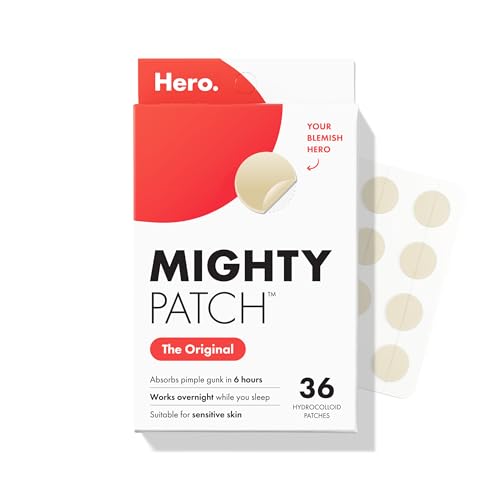
Hero Cosmetics Mighty Patch Original
The #1 pick for a whitehead you need gone by morning. These are the patches that turned the whole category mainstream, and they’re thick enough to flatten a surface pimple overnight and absorbent enough that you can see what they pulled out in the morning (gross, satisfying). They stay put through a night of tossing, and they’re a smarter move than squeezing. Just match the tool to the job: they work on raised, surface, or popped pimples and won’t touch blackheads or deep cystic bumps with no opening.
BEEs keep these on the nightstand and reach for them the second they feel a whitehead coming up before an event. The consensus is that they flatten a surface spot overnight and, just as importantly, stop the 2 a.m. picking. Where BEEs get let down is when they stick one over a deep, painful cyst and nothing happens, which is exactly the kind of pimple these can’t help. A few prefer wearing them during the day under the clear ones so they can keep their hands off at work.
4. Snail Mucin
Yes, it’s exactly what it sounds like, and yes, it’s worth getting past the squeamishness. Snail mucin (snail secretion filtrate, on the label) is the slime snails naturally produce, and it’s a surprisingly loaded ingredient: glycoproteins, hyaluronic acid, glycolic acid, zinc, and allantoin all in one. The result on skin is hydration plus a soothing, barrier-supporting effect that’s made it the gentle workhorse of Korean skincare for years. The COSRX essence that went mega-viral is 96 percent of the stuff, with added hyaluronic acid and panthenol layered in. The convert reviews read like apologies. “Sounds gross but you won’t regret it,” goes a typical one, and a longtime holdout finally caved: “my dehydrated skin is thanking me. It’s incredibly soothing and has helped calm my redness from over-exfoliation. The texture is… interesting (definitely slimy!), but it absorbs quickly.”
The research behind it, though, is promising but thin. Most of what exists is small or early-stage, so this isn’t sitting on the mountain of clinical data that retinol or sunscreen has. What it does have is years of people with dull, dehydrated, easily-irritated skin reporting that it calms redness and adds a plumped, dewy bounce, and the ingredient breakdown backs up the hydration claims. The texture is a slippery, slightly stringy gel that some people love and some can’t get past, it’s animal-derived so it’s a no for vegan routines, and a minority of users do break out from it. Patch test, then layer it on damp skin under your moisturizer. The damp part matters: one user who occasionally wiped the water off first found that on dry skin “GOD it feels GROSS!!!!”
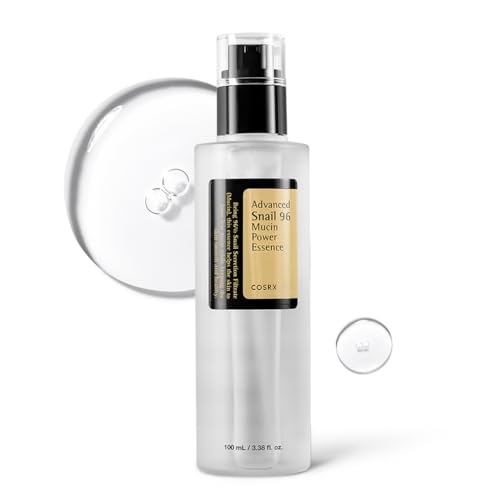
COSRX Advanced Snail 96 Mucin Power Essence
For dull, dehydrated skin that needs a hydration boost. This is the bottle responsible for most of TikTok’s snail obsession, and at 96 percent snail secretion filtrate it’s about as concentrated as the category gets. It sinks in fast, layers well under everything, and tends to calm down redness and tightness over a few weeks of regular use. The texture is the make-or-break: it’s a stretchy, slippery gel, so if slime is a dealbreaker for you, this won’t change your mind. It’s also not vegan, and a small number of people do find it congesting.
Among our BEEs, this is one of the most repurchased single bottles, and the word that comes up over and over is bounce, that plumped, less-tight feeling the morning after. BEEs with reactive, easily-flushed skin are its biggest fans. The slime texture splits the room cleanly, with no in-between, and the handful of BEEs who broke out all noticed it within the first week or two of starting. The advice from the group is to introduce it on its own so you can tell whether it’s helping or causing trouble.
5. Skin Flooding
Skin flooding is a fancy name for a simple idea: pile on your hydrating layers while your skin is still damp, then trap them in. You cleanse, leave your face slightly wet, mist or pat on a hydrating toner, follow with a hyaluronic acid serum, and seal the whole thing with a moisturizer before any of it dries down. Hyaluronic acid is a humectant, meaning it grabs water and holds it, and applying it onto damp skin gives it more water to pull from. The moisturizer on top is what keeps all that hydration from evaporating right back off. “It’s like overnight it’s started glowing!” is one report from four weeks in.
Done right, it’s a great fix for skin that feels tight, looks dull, or flakes in winter, and it gives that glazed, dewy finish everyone’s after. The trend videos gloss over two things. First, the sealing step is not optional. Hyaluronic acid applied to dry skin in a dry room can actually pull moisture out of deeper layers and leave you tighter than before, so the moisturizer is doing the important part, not just adding shine. Second, more is not better. Three or four hydrating layers is the sweet spot, and stacking on seven serums mostly buys you pilling, a sticky face, and a higher chance of clogged pores. A good hyaluronic acid serum is the heart of it, and the La Roche-Posay one below is a derm-counter staple for a reason. One 50-year-old flooder makes the case plainly: “Now that I’ve hit 50 my skin is like the Sahara. The skin flooding does really help me keep moisturized.” A tretinoin user who was “always peeling” reports “now with the flooding no peeling AT ALL!” And the most honest review concedes it “does produce glass skin results. However, it’s also a lot of labor and sometimes feels kinda gross.”
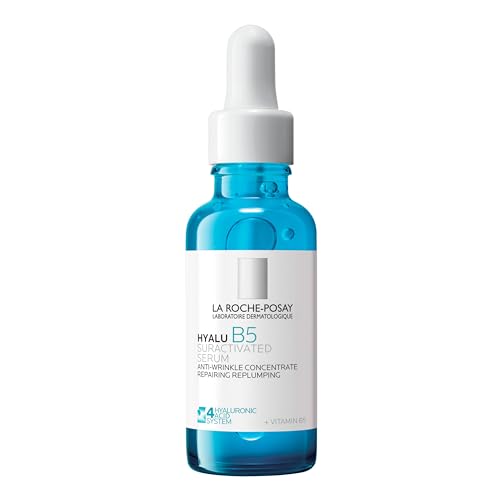
La Roche-Posay Hyalu B5 Serum
The hydrating serum that makes flooding actually work. It pairs two weights of hyaluronic acid (one to plump the surface, one to sink in deeper) with vitamin B5 to help skin repair, and it’s gentle enough for sensitive, reactive faces. It layers beautifully on damp skin and plays the lead role in a flooding routine without pilling. It costs more than a basic drugstore hyaluronic acid, so if budget is tight, a cheaper HA serum works as long as you remember the rule that matters most: always seal it with moisturizer.
What Our BEEs Say
Hard winters and travel weeks are when this one earns its keep with BEEs, who lean on it when their skin goes tight and dull, and the damp-skin step is the part they say made the difference once they started doing it properly. The B5 in this particular serum gets singled out for making it feel more cushioning than a plain hyaluronic acid. The recurring miss is people skipping the moisturizer on top and wondering why their face felt drier, which is the one mistake that turns flooding against you. Oilier BEEs keep it to a couple of light layers so they don’t tip into greasy.
6. Azelaic Acid
Azelaic acid is the ingredient that’s been outworking flashier ones for years, and TikTok finally caught on. It tackles a frustrating cluster of problems at once: redness and the flushing that comes with rosacea, uneven tone, the dark marks pimples leave behind, and mild breakouts. What makes it stand out is that it’s gentle. It’s far less likely to sting, peel, or trigger a reaction than the stronger acids and retinoids that do similar jobs, which makes it one of the few options sensitive and rosacea-prone skin can actually use. The dermatologist-run panel behind the Rosacea.org seal even cleared The Ordinary’s 10 percent version as suitable for rosacea-prone skin.
The viral reviews tend to skip the part about strength. The strongest clinical evidence for azelaic acid on rosacea and acne is at prescription level, around 15 to 20 percent, and the popular drugstore versions are 10 percent. The lower number still helps with tone and redness for a lot of people, it just may not match what a prescription does, and it can take a couple of months to show. The other quirk is texture. The Ordinary’s formula is a slightly gritty, grippy suspension that can pill if you layer it under sunscreen or makeup too soon, so give it a few minutes to settle and start with every other day if your skin is touchy. Users also pass along that “It can feel a little itchy when you initially start to use it, especially if you are using it on damp skin.” Real-world timelines back that up. One rosacea patient on the prescription 15% strength wrote that “by the end of the week, it both feels better to the touch, feels less flushed, and redness is way reduced,” with her derm warning that full results take closer to a month. It isn’t universal (“Azelaic Acid has never worked for me” and “I always see my dark spots creep back,” per one melasma veteran), but the patient cases outnumber the misses.
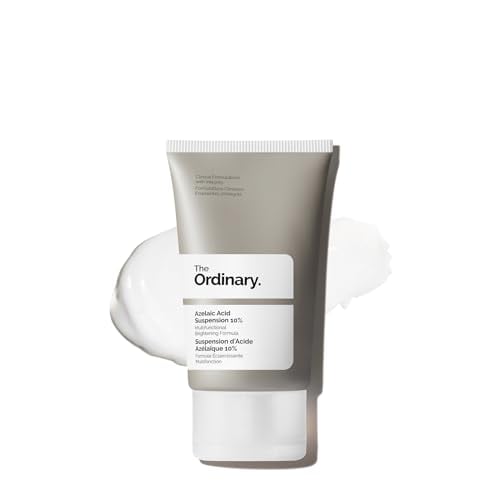
The Ordinary Azelaic Acid Suspension 10%
Best for redness, flushing, and the marks breakouts leave behind. The Ordinary’s azelaic acid is the affordable way into an ingredient that’s usually pricey or prescription-only, and at 10 percent it’s gentle enough for most sensitive and rosacea-prone skin to use daily. It evens tone and calms redness over a few weeks of consistent use. Two caveats worth knowing: 10 percent is milder than the prescription level with the deepest research, and the grippy, slightly gritty texture can pill if you rush whatever goes on top. Let it absorb before you layer.
What Our BEEs Say
This one has a devoted following among BEEs dealing with rosacea and the brown marks left after a breakout, and the ones who saw results tend to mention patience, since it took them six to eight weeks rather than days. The texture is the universal gripe. BEEs describe it as gritty and a little tacky, and the fix they land on is using it at night, on its own, with nothing layered too quickly on top. A few who wanted faster rosacea results ended up asking their derm about the prescription strength, which tracks with the research.
7. Double Cleansing
Double cleansing sounds like marketing for selling you two products, and for bare skin it sort of is. But if you wear makeup, sunscreen, or both (and you should be wearing sunscreen), it solves a real problem. Your regular water-based face wash is good at lifting sweat and grime but surprisingly bad at removing the oil-based stuff sitting on top, which is exactly what sunscreen and long-wear makeup are. So you go in first with an oil cleanser or a balm that melts that layer off, then follow with your normal cleanser to clean the skin underneath. Derms have been pointing this out for a while: one step removes what the other can’t.
The balm is the fun part. You massage it onto dry skin, it turns the day’s makeup and SPF into a slip you can see breaking down, then it rinses clean when you add water. It’s gentler than scrubbing at your eyes with a makeup wipe and leaves skin less stripped than a heavy foaming wash on its own. The caveat is just knowing when you need it. On a no-makeup, no-sunscreen day, one cleanse is plenty, and double cleansing every single time can leave dry skin feeling tight. Technique matters too. If you don’t massage long enough to emulsify the balm with water, it can leave a faint film, so take the extra twenty seconds. The convert stories come from unlikely skin types, and they come with tips attached (“USE COLD WATER,” insists a rosacea user who switches her oils up constantly). “I’m oily, why would I need more oil?” one user remembers thinking, “BUT it’s been wonderful for my sensitive skin.” A rosacea user credits the double cleanse for skin that has “legit never been better.” And the skeptics are honest too; one religious double-cleanser quit “and didn’t notice much of a difference.”
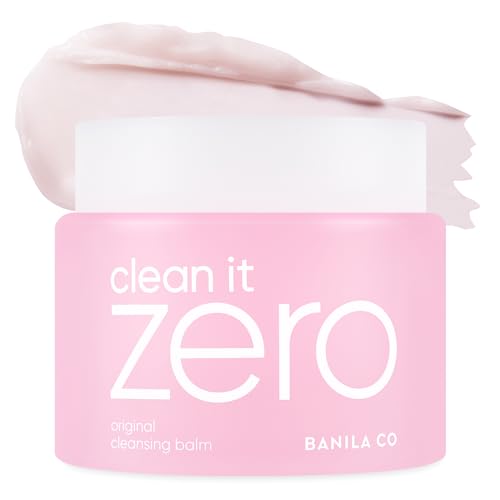
Banila Co Clean It Zero Cleansing Balm
The cult balm that melts off SPF and long-wear makeup. This is the first step that made double cleansing go viral, a sherbet-textured balm that turns to oil on contact, lifts off even waterproof mascara and mineral sunscreen, and rinses without a greasy film if you emulsify it properly. A little goes a long way, so one jar lasts months. It’s best for makeup and sunscreen days rather than every wash, and very dry skin may prefer the more nourishing version in the same range over this original formula.
What Our BEEs Say
BEEs who switched to a balm first step say it’s the cleanest their skin has felt at night, especially the ones wearing daily SPF who used to find sunscreen still smearing onto their pillow. Clean It Zero comes up again and again as the one they keep rebuying, and the value gets a lot of love since a jar stretches for months. The reminder BEEs pass along to newcomers is to massage it long enough and add water to rinse, because rushing leaves a slight film. On bare-skin days, most of them happily skip the second product.
What Our BEEs Are Buzzing About
Here’s what the beauty community is saying about these trends:
Related Articles
- Anti-Aging Skincare Mistakes to Stop Making After 50
- 6 Eye Creams That Made a Skeptic a Believer
- The Hair Growth Products People Say Actually Work
- How to Do Eye Makeup Over 50
- The Best Affordable Makeup for Women Over 50
Want to become a Beauty Empties Expert?
BEEs get free products to test, exclusive discount codes from our brand partners, and live access to The Hive sessions with dermatologists and beauty editors. Spots are limited and hand-picked.
We cross-checked every product against PETA’s Beauty Without Bunnies database before publishing. Where you see our cruelty-free mark on a product card, the brand has been independently verified by PETA. Brands without it may still be cruelty-free under their own policies; we only use the mark on the PETA-verified ones.