Why Your Skincare Routine Stops Working After 50

That skincare routine you’ve been loyal to for YEARS, the one that made your skin look its best at 35, dewy at 42, and still pretty darn good at 47, might just… stop working. One day you wake up, look in the mirror, and think, “Wait. What happened? I’m doing all the same things!” Understanding your skincare routine after 50 is the first step to fixing it.
You’re not imagining it. And you’re definitely not alone.
After 50, your skin goes through some MAJOR behind-the-scenes changes, hormonal shifts, a slower metabolism (yes, even your skin has a metabolism), and a whole host of biological stuff that means the products you’ve trusted for decades might need a serious upgrade. Not because they were bad products. They just weren’t designed for the skin you have now.
We’ve done the hours of research so you don’t have to. Let’s break down exactly WHY your skincare stops working after 50, and more how to rebuild a routine that delivers results for your skin TODAY.
What’s Actually Happening to Your Skin After 50
Before we get into the products (don’t worry, we’re getting there), let’s talk about WHY your skin feels like it flipped a switch. Because understanding the “why” makes it SO much easier to fix the “what.”
Hormonal Changes (a.k.a. The Menopause Factor)
This is the big one. During perimenopause and menopause, estrogen levels drop significantly, and estrogen is basically your skin’s best friend. It’s responsible for keeping your skin plump, hydrated, and producing collagen like a well-oiled machine. When estrogen dips, your skin loses up to 30% of its collagen in the first five years of menopause. THIRTY PERCENT. That is not a small number!
Less estrogen also means less natural oil production, so skin that used to be “normal” or even “combination” suddenly feels dry, tight, and a little papery. (Fun times, right?)
Slower Cell Turnover
In your 20s, your skin cells turned over roughly every 28 days. Fresh, bouncy, glowing new cells were constantly rising to the surface. By the time you hit 50, that cycle stretches to 45-60 days, sometimes even longer. dead skin cells hang around WAY longer than they should, making your complexion look dull, uneven, and a little blah. That brightening serum that worked wonders at 38? It’s fighting an uphill battle now.
Your Skin Barrier Is Thinner
The skin barrier, that protective outer layer that keeps moisture in and irritants out, gets thinner and more fragile with age. This means products that never irritated you before might suddenly cause redness, stinging, or sensitivity. It also means moisture escapes more easily, which is why you might feel like no matter HOW much moisturizer you slather on, your skin still feels dry an hour later.
Medications Can Change Everything
Something that doesn’t get discussed enough is that many medications commonly prescribed after 50, blood pressure meds, cholesterol medications, even some supplements, can affect your skin. Some cause dryness, others increase sun sensitivity, and some can make your skin more reactive to ingredients it used to tolerate just fine. If you’ve started a new medication and noticed your skin freaking out, that might be the connection.
Decreased Blood Flow to the Skin
Blood flow to the skin decreases as we age, which means fewer nutrients and less oxygen reaching your skin cells. That natural “glow” you used to get without trying? It’s harder to come by because your skin isn’t getting the same fuel it used to. (Think of it as your skin’s version of a midlife crisis.)
How to Rebuild Your Skincare Routine After 50
The news isn’t all doom and gloom, though. Once you understand what your skin needs NOW versus what it needed a decade ago, you can absolutely build a routine that delivers. Think of it less as “starting over” and more as “leveling up.”
Here’s your step-by-step rebuild, with specific product recommendations we stand behind.
Step 1: Switch to a Gentle, Hydrating Cleanser
If you’re still using a foaming cleanser that leaves your skin feeling “squeaky clean,” we need to have a talk. That squeaky feeling? That’s your skin barrier being stripped. And after 50, your barrier is already thinner and more vulnerable, it does NOT need the extra assault.
Switch to a creamy, hydrating cleanser that cleans without stripping. Your skin should feel soft and comfortable after cleansing, not tight. This is the foundation of everything else. (We cover more options in our guide to our full cleanser guide)
Our Pick: La Roche-Posay Toleriane Hydrating Gentle Cleanser
This cleanser is a dermatologist favorite for a reason. It’s got ceramides and niacinamide to support your skin barrier, it’s fragrance-free, and it removes dirt and makeup without leaving your face feeling like the Sahara. It’s one of those products where you use it once and think, “Oh. THIS is what cleansing should feel like.”
Step 2: Add a Hydrating Toner
I know, I know, toners used to be those astringent, alcohol-laden things that burned your face off in the ’90s. We’re not talking about THOSE. Modern hydrating toners are like a tall glass of water for your skin. They prep your face to absorb everything that comes after, and they add a layer of hydration that mature skin desperately needs.
Apply it right after cleansing while your skin is still slightly damp, that’s when it works best. (For even more options, see our guide to our toner recommendations.)
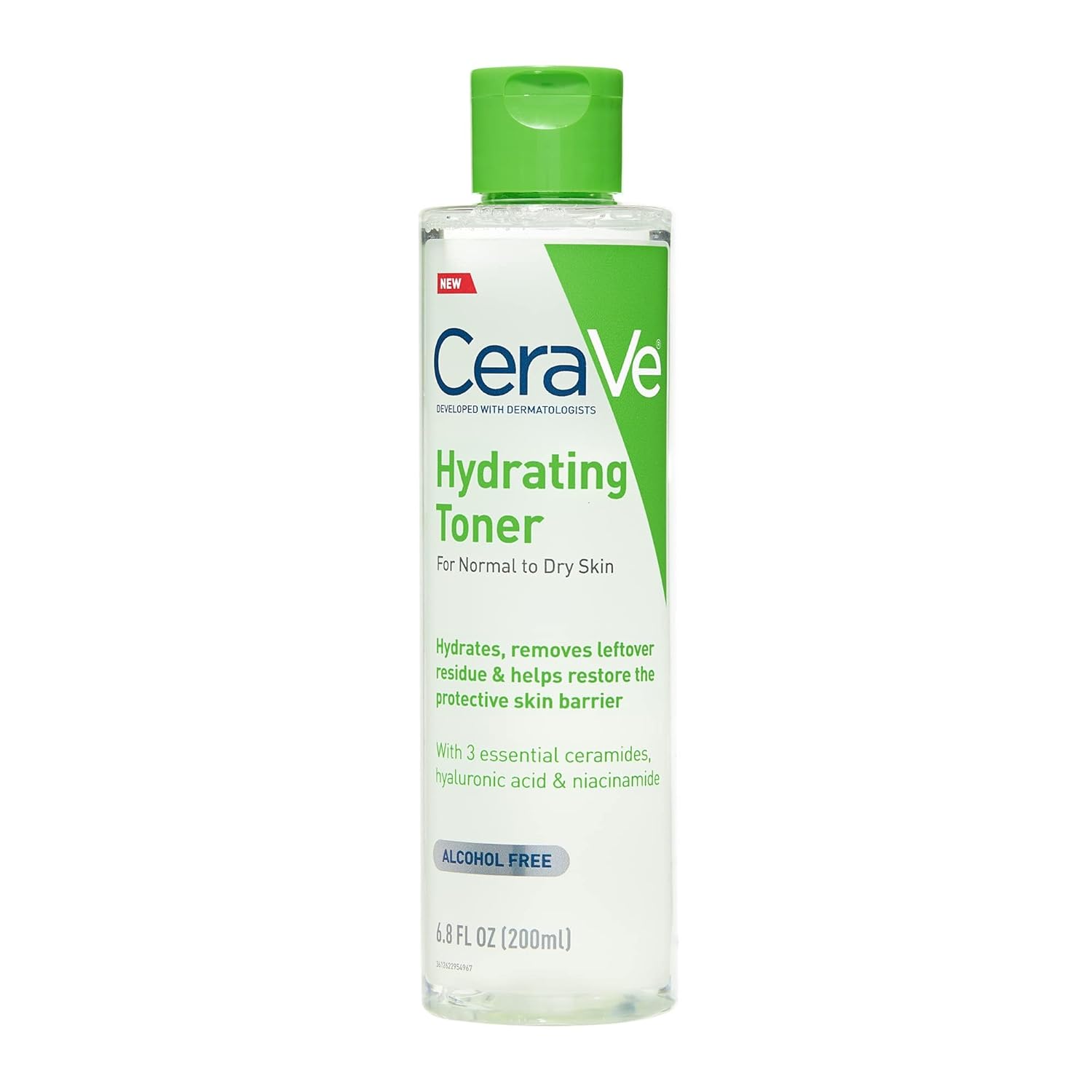
Our Pick: CeraVe Hydrating Toner
Alcohol-free, fragrance-free, loaded with hyaluronic acid, niacinamide, and ceramides. It’s everything mature skin needs in a toner and nothing it doesn’t. The formula is pH-balanced and gentle enough for sensitive skin, which is exactly what you want when your barrier is feeling a little fragile. Plus, it’s incredibly affordable for what you get.
Step 3: Vitamin C Serum (Your Morning MVP)
If there’s ONE serum you add to your morning routine, make it vitamin C. It’s an antioxidant powerhouse that protects against environmental damage (pollution, UV rays, all that fun stuff), brightens dull skin, and, even better, it actually helps stimulate collagen production. Remember how we said you’re losing collagen? Vitamin C is one of the best ways to tell your skin to make more.
Apply it in the morning on clean, dry skin BEFORE your moisturizer and sunscreen. Give it a minute to absorb, patience is key here.
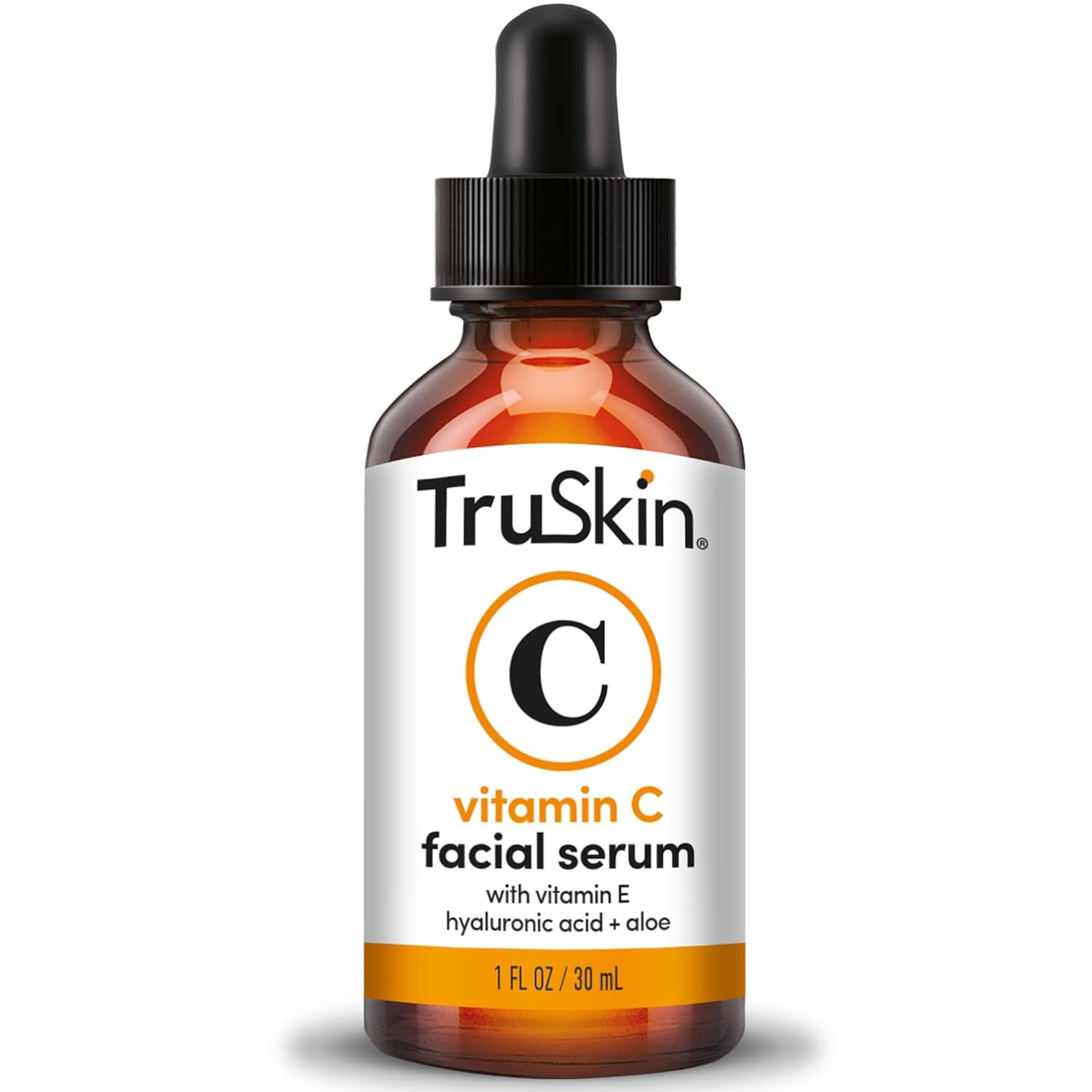
Our Pick: TruSkin Vitamin C Serum
Over 100,000 Amazon reviews don’t lie. This serum uses a vitamin C derivative that works at your skin’s natural pH, which means less irritation for mature, sensitive skin. It also includes hyaluronic acid and vitamin E for extra hydration and protection. The price point is excellent for what you’re getting, it punches way above its weight class.
Step 4: Retinol (Your Nighttime Workhorse)
Retinol is the closest thing we have to a “rewind” button for skin. It speeds up cell turnover (remember how yours has slowed down?), boosts collagen production, smooths fine lines, evens out skin tone, and improves texture. It is, without question, one of the most studied and proven ingredients in skincare.
BUT, and this is a big but, you need to start slow after 50. Your skin barrier is more delicate now, so jumping straight into a high-concentration retinol is a recipe for redness, peeling, and misery. Start with a lower percentage, use it 2-3 times a week at night, and work your way up. Your skin will thank you.
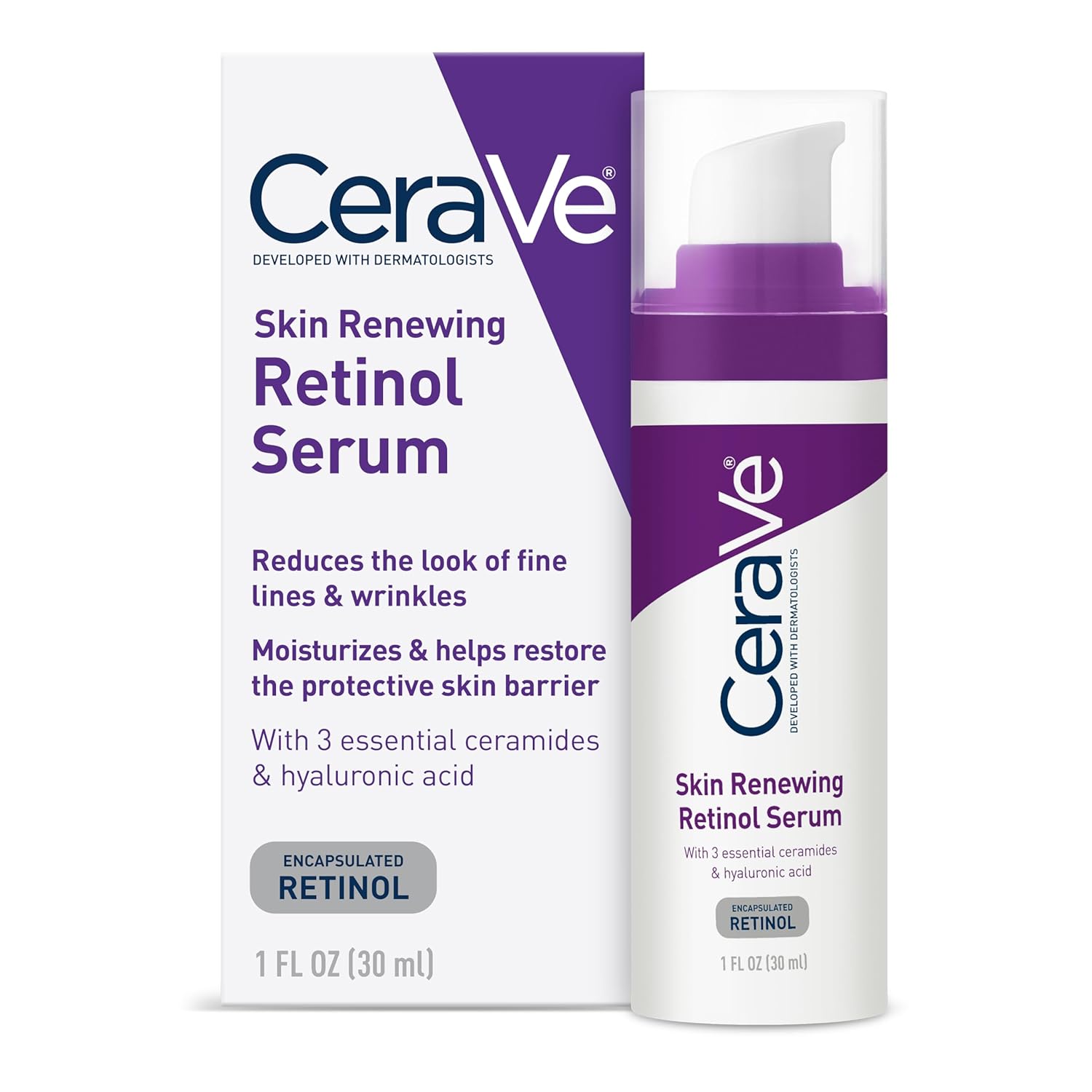
Our Pick: CeraVe Anti Aging Retinol Serum
This one is perfect for the over-50 crowd because it pairs encapsulated retinol (which releases gradually, so less irritation) with ceramides, hyaluronic acid, and niacinamide. It’s basically retinol with training wheels, all the benefits, fewer of the side effects. Dermatologists recommend this one constantly, and it won’t break the bank. Check out our roundup of our night cream picks for more nighttime options.
Step 5: A Peptide Serum for Firming
Peptides are basically tiny protein fragments that signal your skin to produce more collagen and elastin. Think of them as little messengers running around your face going, “Hey! Make more of the stuff that keeps everything firm and bouncy!” They’re gentler than retinol, so they’re a great option if retinol irritates your skin, or you can use both (peptides in the AM, retinol in the PM) for a one-two punch.
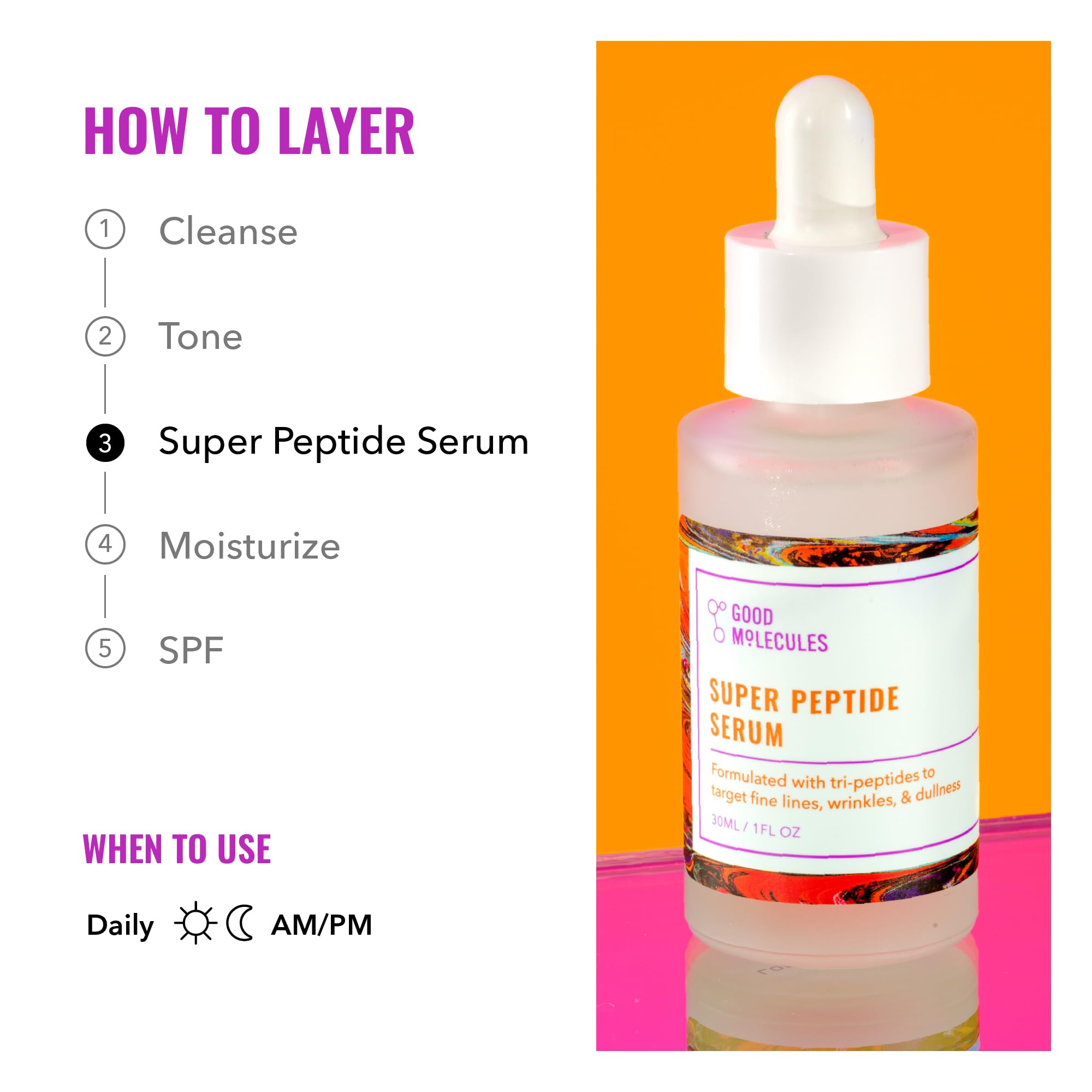
Our Pick: Good Molecules Super Peptide Serum
This lightweight, water-based serum is packed with copper tripeptides (which reinforce firmness) plus acetyl hexapeptide-8 and acetyl octapeptide-3 (which target fine lines). It’s cruelty-free, fragrance-free, and works beautifully layered under your moisturizer. At this price point, it’s almost ridiculous how effective it is.
Step 6: A Rich, Barrier-Supporting Moisturizer
That lightweight gel moisturizer you loved in your 30s? It’s time to graduate. After 50, your skin needs a RICHER moisturizer, one that doesn’t just sit on top of your face but actually helps repair and protect your skin barrier. Look for ingredients like ceramides, hyaluronic acid, peptides, and niacinamide. Your skin is losing moisture faster than it used to, so you need something that locks it in and keeps it there.
For more options, take a look at our moisturizer roundup.
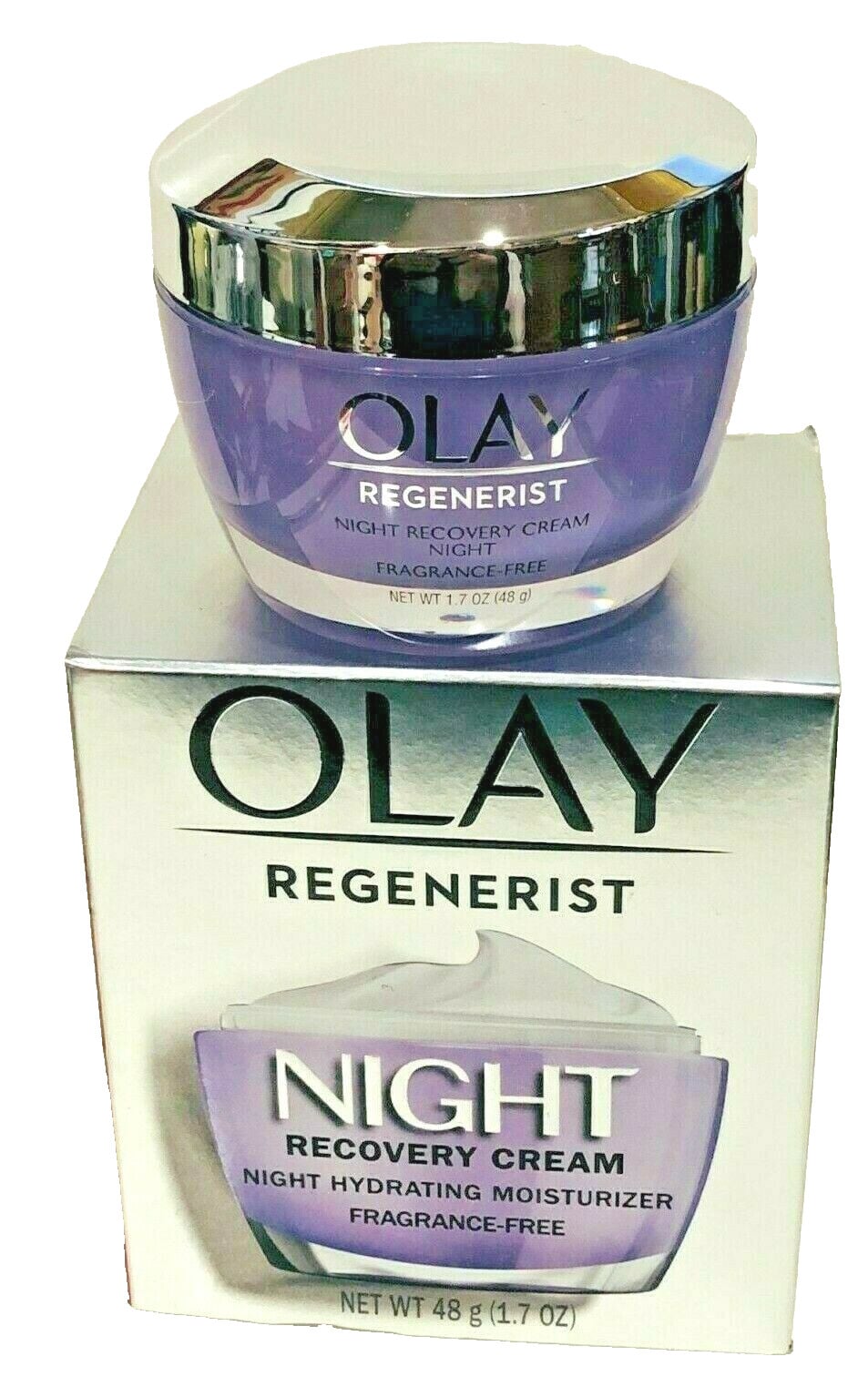
Our Pick: Olay Regenerist Micro-Sculpting Cream
There’s a reason this moisturizer has been a bestseller for years, it actually WORKS. The formula combines amino-peptide complex, hyaluronic acid, and niacinamide to deliver deep hydration while firming and plumping skin. It absorbs beautifully without feeling greasy, and the results are visible within weeks. It’s one of those products that you buy once and then never stop buying. (Also, the price-to-performance ratio here is outstanding.)
Step 7: SPF, Non-Negotiable, Every Single Day
I know you’ve heard this a million times, but it needs to be a million and one: WEAR SUNSCREEN EVERY DAY. Even if you’re “just running errands.” Even if it’s cloudy. Even if you’re mostly indoors (UV rays come through windows!). Sun damage is the #1 cause of premature aging, and after 50, your skin is even MORE vulnerable to UV damage because that thinner barrier offers less natural protection.
Plus, if you’re using retinol or vitamin C, your skin is more sun-sensitive. Skipping SPF basically undoes all the good work your serums are doing. Don’t be that person.
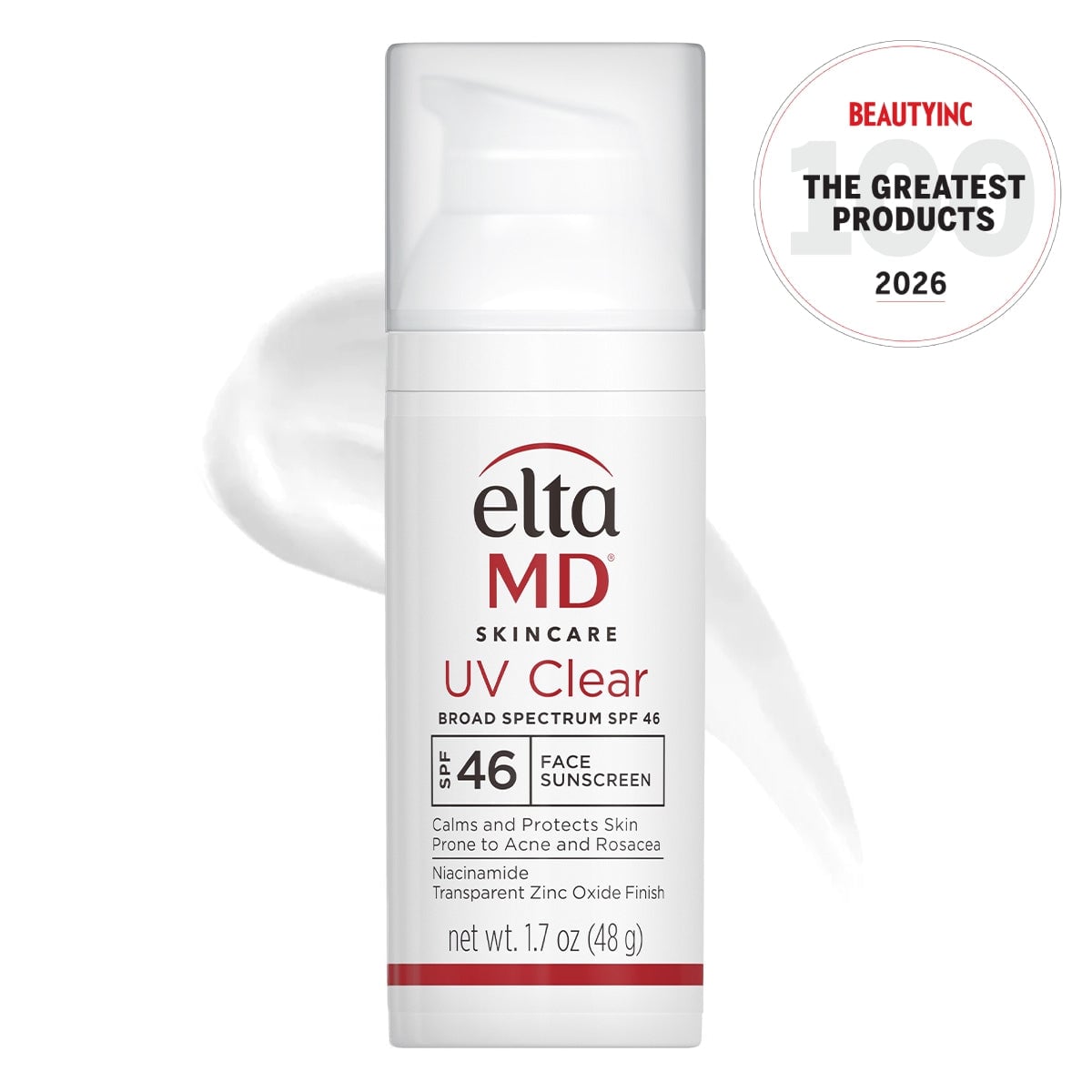
Our Pick: EltaMD UV Clear Face Sunscreen SPF 46
This is the sunscreen dermatologists recommend more than almost any other, and once you try it, you’ll understand why. It’s lightweight, doesn’t leave a white cast, won’t clog pores, and actually feels NICE on your skin (I know, a sunscreen that feels nice? Revolutionary.). It’s formulated with zinc oxide, niacinamide, and hyaluronic acid, so it’s protecting AND treating your skin at the same time. Worth every penny.
Weekly Treatments to Supercharge Your Results
Your daily routine is the backbone, but adding a weekly treatment or two can seriously amplify your results. Think of these as the bonus round.
Gentle Exfoliation (1-2x Per Week)
Since cell turnover slows after 50, gentle chemical exfoliation helps clear away dead skin cells and reveal brighter skin underneath. Skip harsh physical scrubs (your barrier can’t handle that anymore) and opt for a mild AHA or PHA exfoliant instead. Use it 1-2 times per week MAX, over-exfoliating is one of the fastest ways to wreck mature skin.
Hydrating Masks
Once a week, treat yourself to a deeply hydrating mask. It’s basically a spa night for your face, and your skin will drink it up. Look for masks with hyaluronic acid, ceramides, or honey, ingredients that flood your skin with moisture and leave it looking plumper and more radiant the next morning.
Eye Cream (Yes, You Need One Now)
The skin around your eyes is the thinnest on your entire body, and it shows signs of aging first. A good eye cream with peptides, caffeine, or retinol can help with fine lines, puffiness, and dark circles. Apply it with your ring finger (lightest pressure) and pat gently, no tugging! Check out our eye cream guide for specific recommendations.
The Routine at a Glance
Because sometimes you just need the quick-and-dirty version:
Morning:
- Gentle cleanser (or just water if your skin is really dry)
- Hydrating toner
- Vitamin C serum
- Peptide serum
- Rich moisturizer
- SPF 30+ (always the last step!)
Evening:
- Gentle cleanser (double cleanse if you wore sunscreen/makeup)
- Hydrating toner
- Retinol serum (2-3x per week to start)
- Eye cream
- Rich moisturizer (or night cream)
A Few More Things Nobody Tells You
Be patient. Seriously. Skin cell turnover is slower now, so you need to give products 8-12 weeks before deciding they “don’t work.” I know it’s hard to wait, but consistency is everything.
Don’t change everything at once. If you overhaul your entire routine overnight, you won’t know what’s working and what’s irritating you. Add one new product at a time, use it for two weeks, then add the next one.
Listen to your skin. If something burns, stings, or makes you red, STOP using it. Your skin is more reactive now than it used to be, and pushing through irritation is never the answer.
Hydration is everything. Drink water. Use a humidifier in the winter. Layer hydrating products. Your skin is thirsty in a way it never was before, and the more moisture you can give it, the better everything else works.
Talk to your dermatologist. Especially if you’re o
FAQ: Skincare After 50
Why did my skincare suddenly stop working?
Most likely, it’s hormonal. During perimenopause and menopause, declining estrogen levels cause significant changes in your skin, reduced collagen production, less natural oil, thinner skin barrier, and slower cell turnover. The products didn’t change; your skin did. It’s not your fault, and it’s completely normal!
Is retinol safe to use after 50?
Absolutely, retinol is actually one of the BEST ingredients for mature skin. The key is to start with a low concentration and ease into it. Use it 2-3 times per week at night, and always follow with a moisturizer. If over-the-counter retinol isn’t strong enough, ask your dermatologist about prescription tretinoin.
Do I really need to wear sunscreen every day, even indoors?
Yes! UVA rays (the ones that cause aging) penetrate through windows. If you’re sitting near a window or driving, your skin is being exposed to UV rays. Plus, if you’re using retinol or vitamin C, your skin is more sun-sensitive, so skipping SPF literally undoes the work those products are doing.
What’s the difference between retinol and retinoid?
“Retinoid” is the umbrella term for all vitamin A derivatives. “Retinol” is one type of retinoid, it’s available over the counter and is generally gentler. Prescription retinoids (like tretinoin or adapalene at higher strengths) are stronger and work faster but can cause more irritation. For most people starting after 50, over-the-counter retinol is a great place to begin.
How long does it take to see results from a new skincare routine?
Give it at least 8-12 weeks. Because cell turnover is slower after 50 (taking 45-60+ days compared to 28 days in your 20s), it takes longer to see visible changes. Consistency is everything, don’t give up after two weeks and declare nothing works!
Can I use vitamin C and retinol together?
You can, but it’s generally better to use them at different times of day. Vitamin C in the morning (it boosts your sun protection), retinol at night (it can degrade in sunlight). This way you get the full benefits of both without overloading your skin.
What ingredients should I avoid after 50?
Steer clear of harsh sulfates (sodium lauryl sulfate), high-concentration alcohol (denatured alcohol, SD alcohol), and heavily fragranced products. These can all strip and irritate your already-vulnerable skin barrier. Also avoid physical scrubs with rough particles, they can cause micro-tears in thinner mature skin.
Do I need separate products for day and night?
Not necessarily separate EVERYTHING, but your morning and evening routines should have different focuses. Morning is about protection (antioxidants + SPF), while evening is about repair (retinol + heavier moisturizers). Your cleanser, toner, and moisturizer can overlap between AM and PM, but your active serums should be split up.
Is expensive skincare always better than drugstore?
NOPE. Some of the most effective products for mature skin come from drugstore brands like CeraVe, Olay, and La Roche-Posay. What matters is the INGREDIENTS and their concentrations, not the price tag. A $15 CeraVe retinol serum with ceramides and hyaluronic acid can outperform a $200 luxury serum that’s mostly fillers and fragrance. Don’t let fancy packaging fool you!
What Our BEEs Are Buzzing About
Here’s what the beauty community is saying about these products: