10 Skincare Mistakes Women Over 60 Are Making Right Now

Skincare advice for women over 60 is either wildly outdated or sounds like it was written by someone who has never actually LOOKED at their own pores in a magnifying mirror. And that’s a problem, because your skin at 60 is doing things it never did before, and it deserves better than the same old “just wear sunscreen!” advice (although yes, please wear sunscreen, more on that in a minute). These are the skincare mistakes over 60 that come up again and again.
Here at Beauty Empties, we do the hours of research so you don’t have to. We talked to dermatologists, read way too many clinical studies, and tested products until our bathroom counter looked like a Sephora stockroom. The result? This list of 10 skincare mistakes women over 60 are making RIGHT NOW, plus exactly what to do instead.
1. Skipping Sunscreen (Yes, Even on Cloudy Days)
This one STILL shocks me. many women think that once they’re past a certain age, sun damage is “already done” and sunscreen doesn’t matter anymore. WRONG. UV rays don’t care how old you are, they’re still breaking down collagen, causing dark spots, and (and most critically) increasing your risk of skin cancer every single day you skip SPF.
Even if you’re just running errands or sitting near a window, UVA rays are getting to your skin. And mature skin? It’s already thinner and more vulnerable, which means sun damage happens FASTER, not slower.
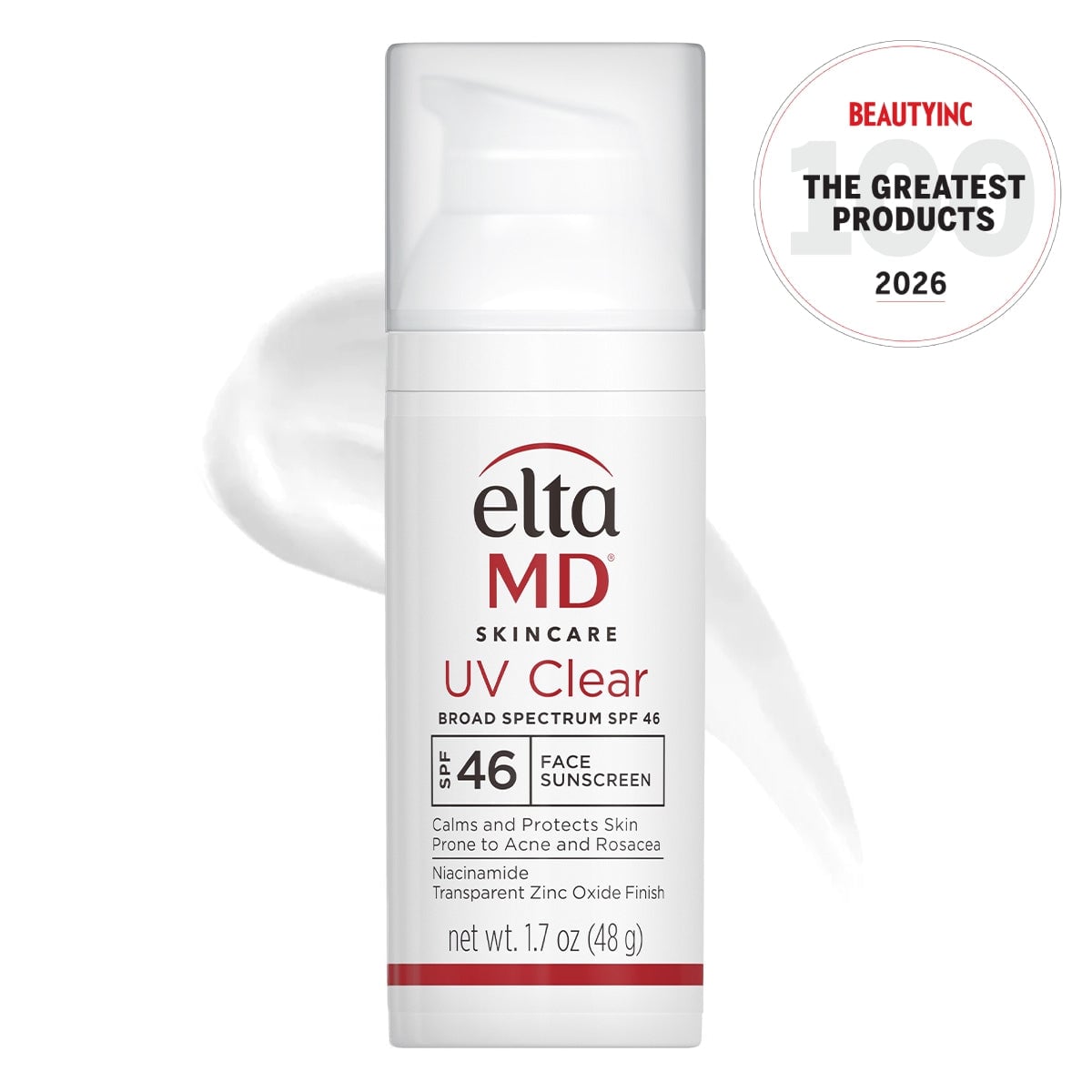
What to do instead: Wear a broad-spectrum SPF 30 or higher every single morning. Make it the last step in your skincare routine, and look for one that doubles as a moisturizer so you’re not piling on too many layers. The EltaMD UV Daily is a fan favorite, it’s lightweight, has hyaluronic acid for hydration, and won’t leave a white cast.
2. Over-Exfoliating (Your Skin Is Begging You to Stop)
I get it, exfoliating feels SO satisfying. That “fresh face” feeling is practically addictive. But mature skin is already thinner and produces less oil, which means your skin’s protective barrier is more fragile than it used to be. When you’re scrubbing with harsh physical exfoliants or using chemical exfoliants every single night, you’re stripping away the protection your skin desperately needs.
Signs you’re over-exfoliating? Redness, irritation, flakiness (that ISN’T dry skin), stinging when you apply products, and breakouts that seem to come out of nowhere.
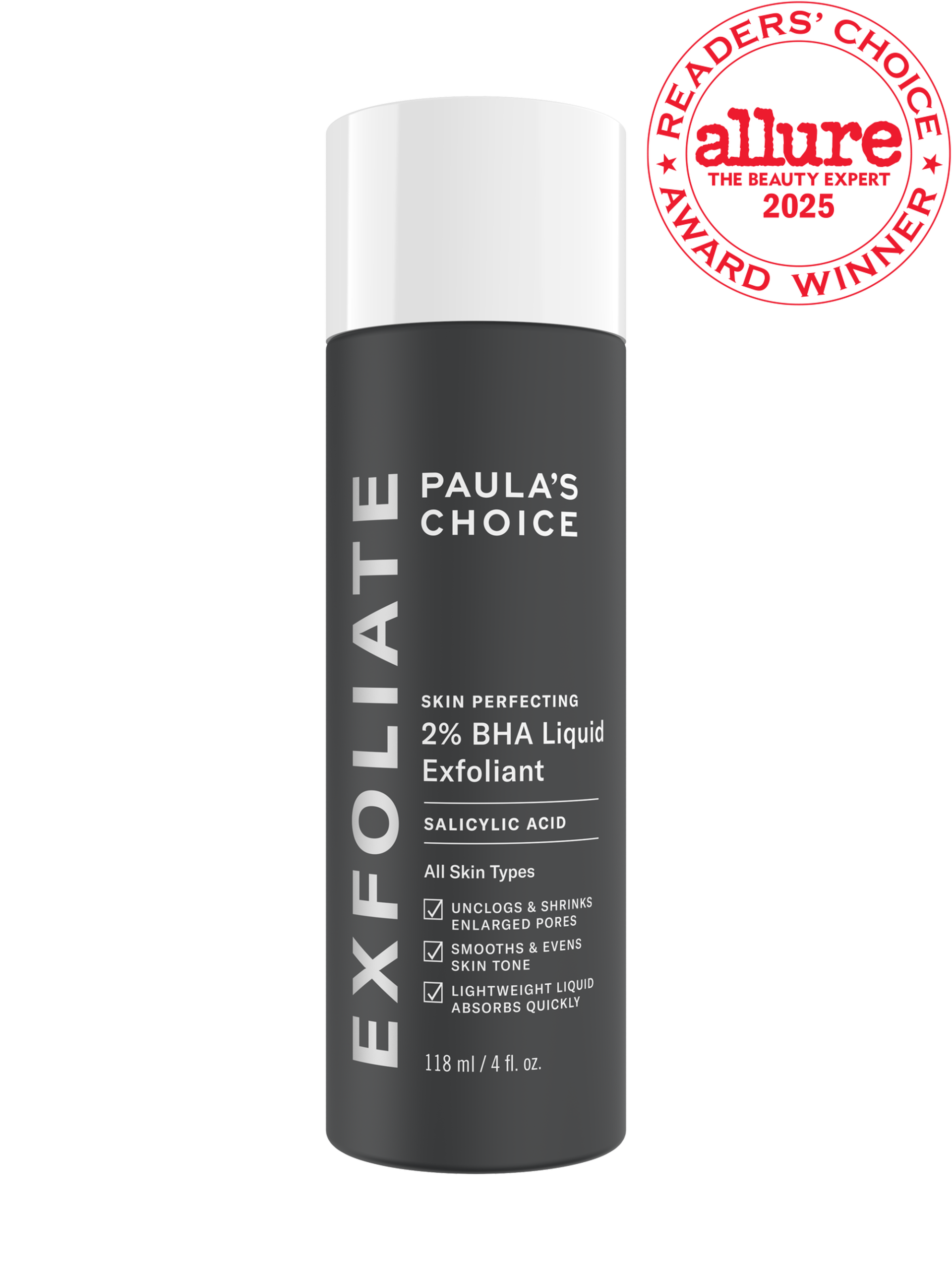
What to do instead: Scale back to exfoliating 1-2 times per week MAX. And swap that gritty scrub for a gentle chemical exfoliant with AHAs like glycolic or lactic acid. The Paula’s Choice 8% AHA Gel Exfoliant is gentle enough for daily use while still delivering visible results, it dissolves dead skin cells without any scrubbing required.
3. Not Using Retinol (Or Using It All Wrong)
Retinol is the single most studied anti-aging ingredient in dermatology. PERIOD. It boosts collagen production, speeds up cell turnover, fades dark spots, and smooths fine lines. If you’re over 60 and not using some form of retinol, you’re leaving one of the most powerful tools on the table.
The problem is that a LOT of women start with a concentration that’s way too strong, use it every night from day one, or apply it on damp skin (which increases irritation). Then they get red, flaky, and irritated, and swear off retinol forever. Sound familiar?
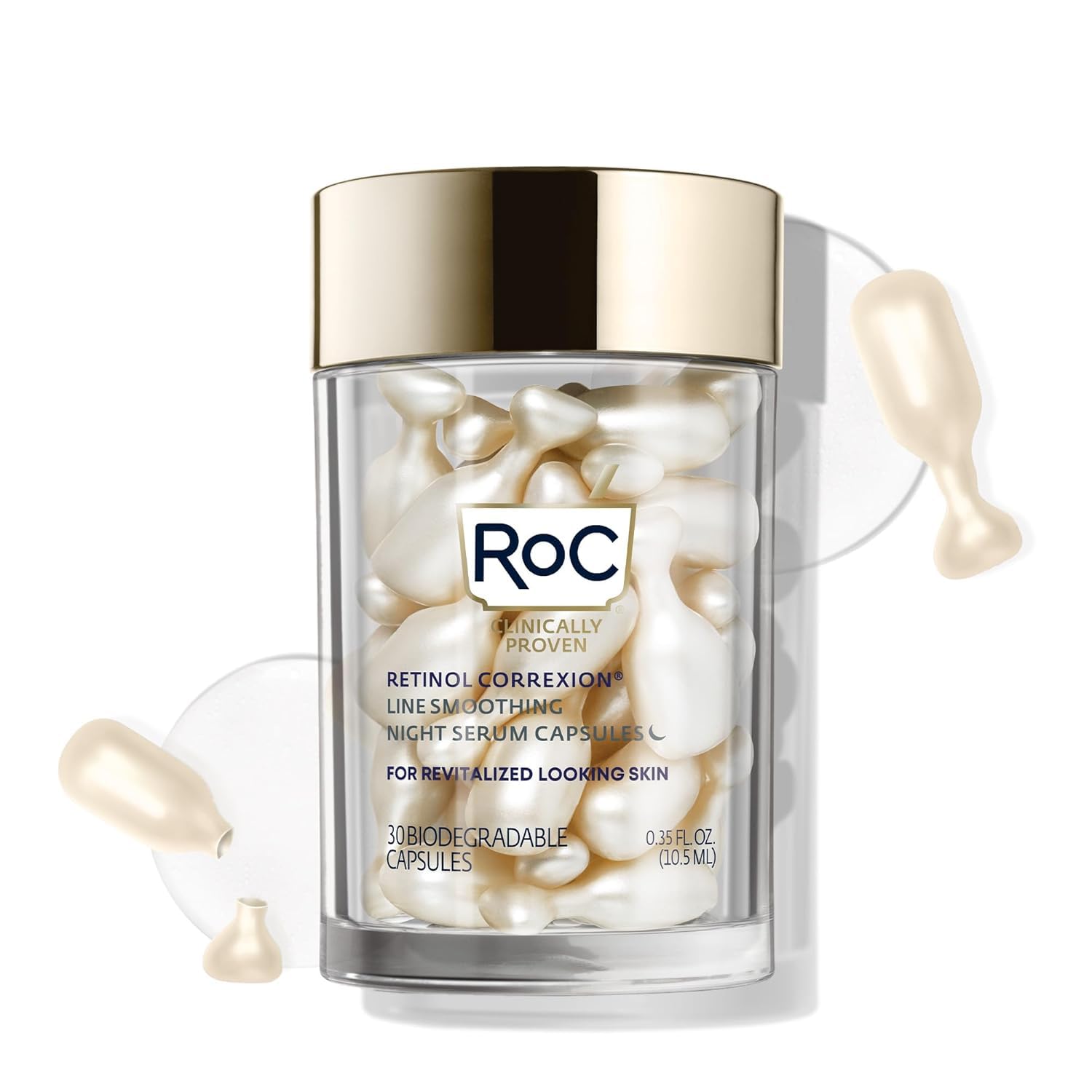
What to do instead: Start LOW and go SLOW. Use a gentle retinol 1-2 times per week on completely dry skin, and always follow with a rich moisturizer (the “sandwich method” works great, moisturizer, retinol, moisturizer). The RoC Retinol Correxion Line Smoothing Night Serum is perfect for beginners, it’s effective but won’t destroy your face on night one.
4. Neglecting Your Neck and Chest (They’re Telling on You)
You can have the most beautiful, well-cared-for face in the world, but if your neck and chest look like they belong to a different person? That’s a dead giveaway. The skin on your neck and décolletage is actually THINNER than the skin on your face, has fewer oil glands, and gets almost as much sun exposure, but most women completely ignore it in their skincare routine.
Crepey texture, deep lines, and dark spots all show up on the neck and chest, and they’re SO much harder to treat once they’re established.
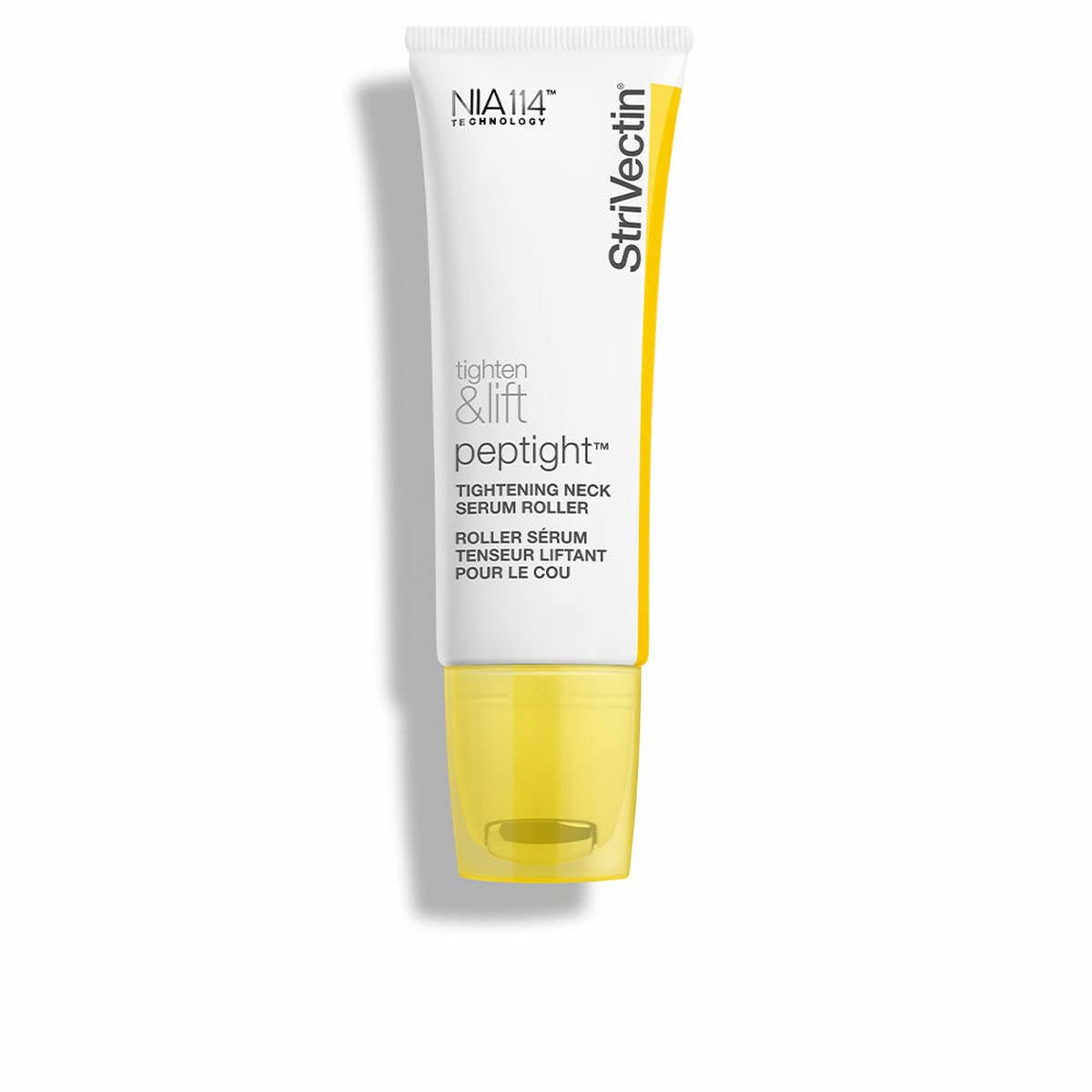
What to do instead: Every single product you put on your face should go on your neck and chest too. Cleanser, serum, moisturizer, sunscreen, ALL of it. And if you want something specifically designed for this area, the StriVectin Tightening Neck Serum Roller is fantastic. The roller applicator makes it easy to remember (and kind of fun to use).
5. Using Harsh Cleansers That Strip Your Skin
If your cleanser makes your skin feel “squeaky clean,” that’s actually a BAD sign. That tight, dry feeling means your cleanser has stripped away your skin’s natural oils, the same oils that are already declining as you age. Foaming cleansers, bar soaps, and anything with sulfates (look for sodium lauryl sulfate on the label) are usually the culprits.
Mature skin needs a cleanser that removes dirt and makeup WITHOUT destroying your skin’s protective barrier. It’s a balance, and most drugstore cleansers get it wrong.
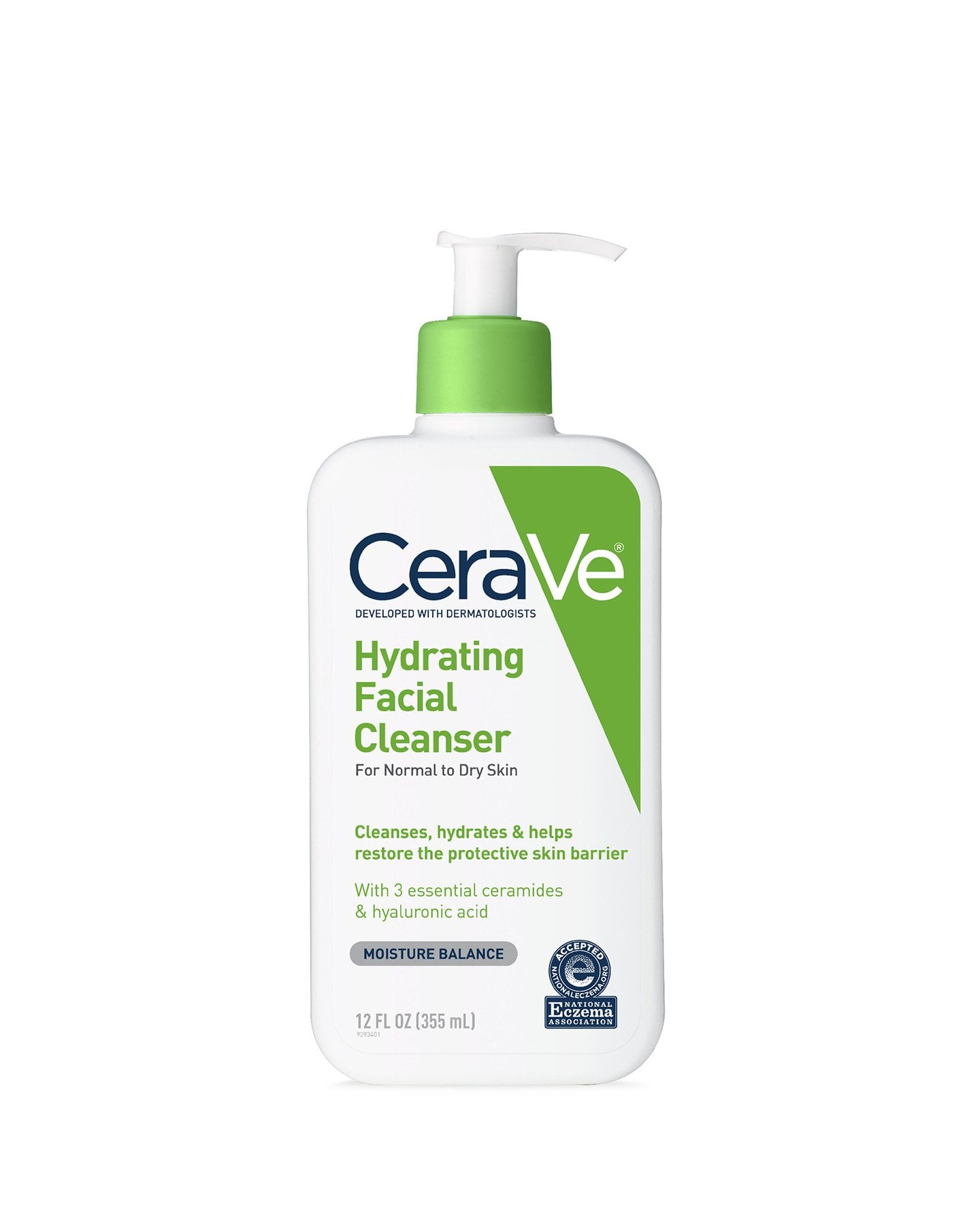
What to do instead: Switch to a cream or oil-based cleanser that hydrates while it cleans. We’ve written an entire guide to our cleanser guide, but for mature skin specifically, the CeraVe Hydrating Facial Cleanser is hard to beat. It has ceramides and hyaluronic acid built right in, so your skin feels soft and hydrated after washing, not tight and angry.
6. Skipping Moisturizer at Night
What a lot of women don’t realize is that nighttime is when your skin does its HEAVIEST repair work. Cell turnover increases, blood flow to the skin goes up, and your skin becomes more permeable (which means it absorbs products better). If you’re washing your face at night and then just… going to bed? You’re wasting the most productive hours your skin has.
And no, your daytime moisturizer isn’t always enough. Night creams tend to be richer and contain ingredients that work best without sun exposure (like retinol and peptides).
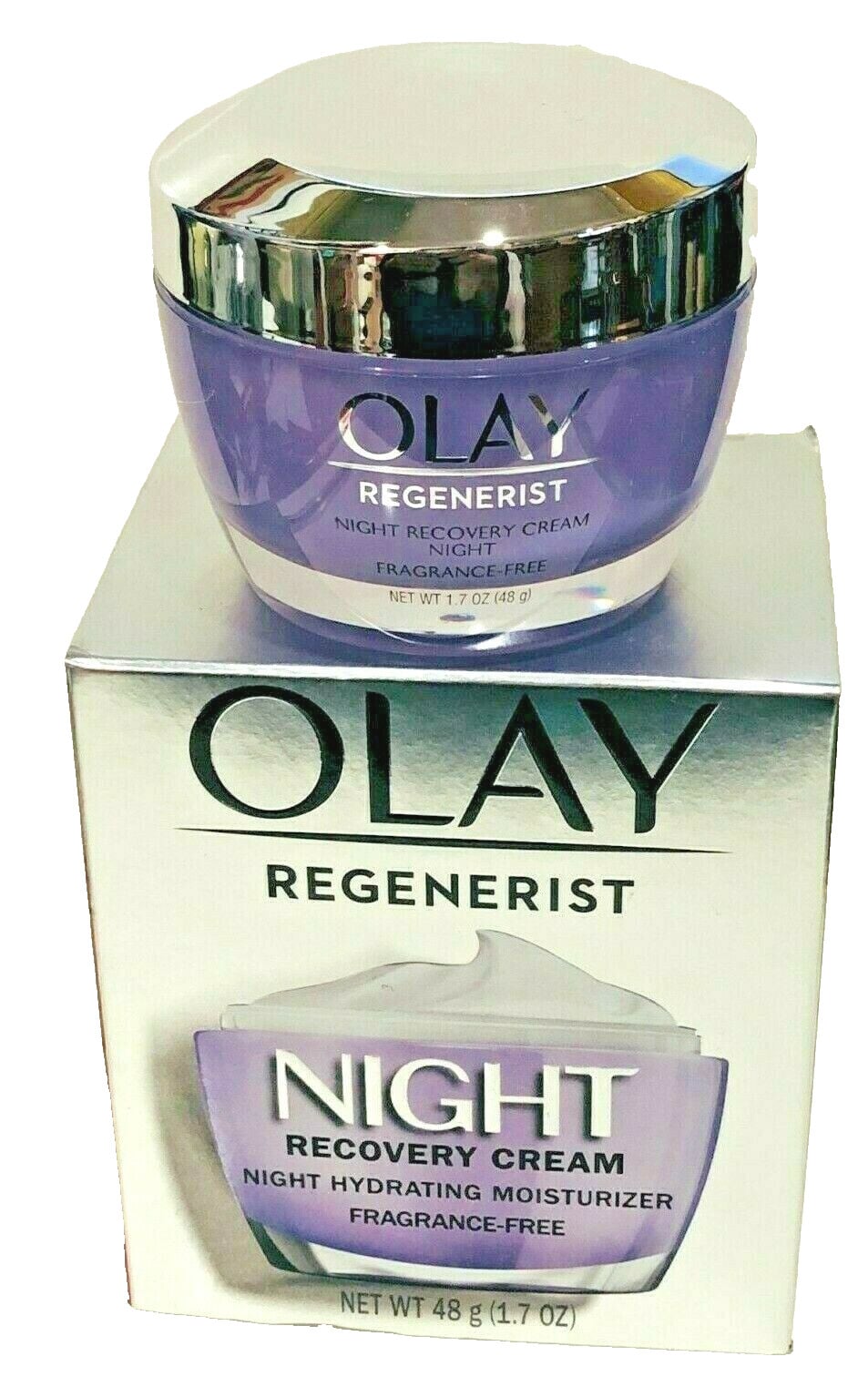
What to do instead: Invest in a dedicated night cream that’s richer than your daytime moisturizer. Look for ingredients like peptides, ceramides, and hyaluronic acid. We have a whole roundup of our night cream recommendations, and our top pick for mature skin is the Olay Regenerist Retinol 24 Night Moisturizer, it has retinol AND peptides, so it’s basically doing double duty while you sleep.
7. Ignoring Eye Cream Entirely
The question I get most often is whether a separate eye cream is worth it. YES, you do. The skin around your eyes is the thinnest skin on your entire body. It has very few oil glands, which means it dries out faster, and it’s constantly moving (blinking, squinting, smiling). That’s why crow’s feet, dark circles, and puffiness tend to show up here first.
Your regular moisturizer isn’t formulated for this delicate area, it might be too heavy, too fragranced, or contain ingredients that can irritate your eyes. You need something specifically designed for the eye area.
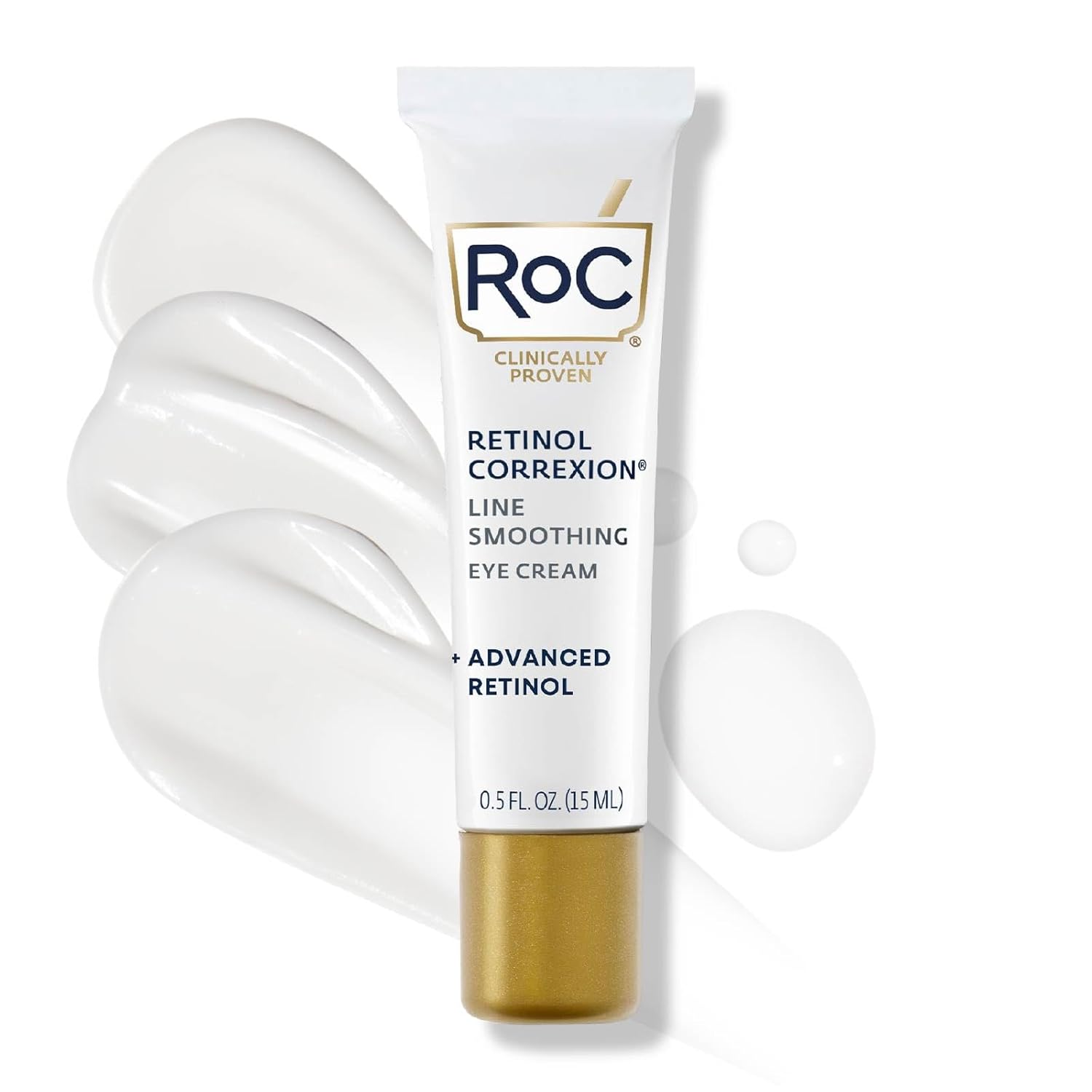
What to do instead: Use a dedicated eye cream morning and night. Tap it on gently with your ring finger (it applies the least pressure). Check out our full guide to our eye cream picks. For mature skin, the RoC Retinol Correxion Eye Cream is worth the investment, it targets wrinkles, dark circles, and puffiness all at once.
8. Not Drinking Enough Water
Okay, I can already hear you saying “I KNOW I should drink more water.” But are you actually doing it? Because here’s what happens when you’re chronically dehydrated: your skin looks dull, feels rough, and fine lines look WAY more pronounced. Topical products can only do so much if your skin isn’t hydrated from the inside out.
And here’s something most people don’t know, as we age, our sense of thirst actually DECREASES. you might not feel thirsty even when your body (and skin) is desperate for water. Sneaky, right?
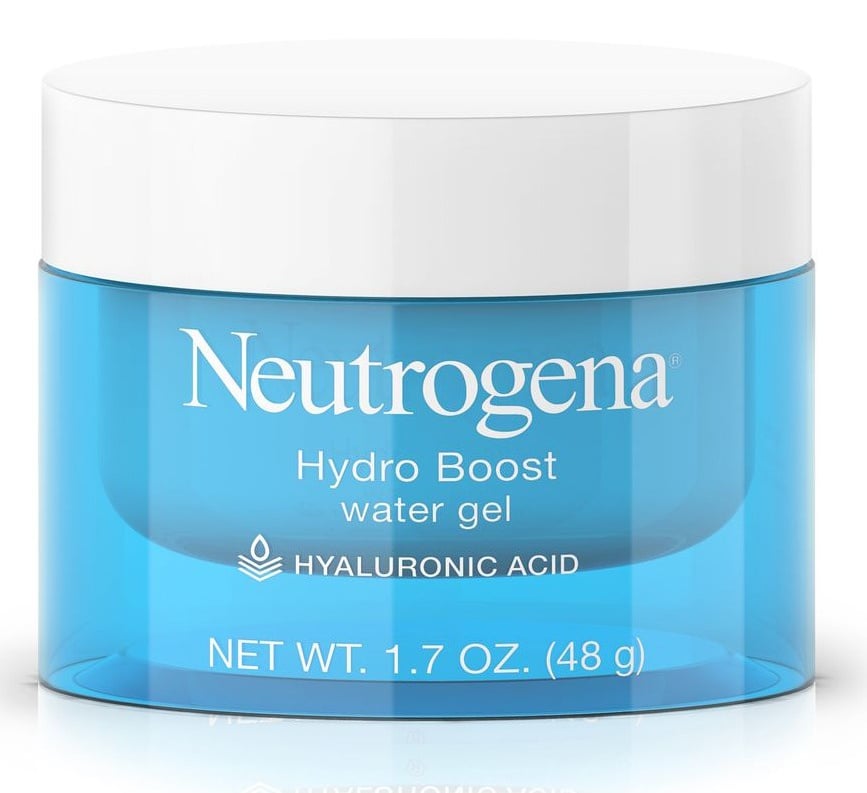
What to do instead: Aim for at least 8 glasses of water a day (more if you’re active or live in a dry climate). Keep a water bottle with you at all times. And from the outside, add a hyaluronic acid serum to your routine, it can hold up to 1,000 times its weight in water, which means it pulls moisture into your skin and KEEPS it there. The Neutrogena Hydro Boost Hydrating Serum is a best-seller for a reason, it’s lightweight, absorbs fast, and layers beautifully under moisturizer.
9. Using Products with Fragrance on Sensitive Aging Skin
This is the sneaky one that nobody talks about enough. Fragrance, even “natural” fragrance, is one of the TOP causes of skin irritation, allergic reactions, and contact dermatitis. On top of that, your skin becomes MORE sensitive as you age, not less. that rose-scented moisturizer you’ve used for 20 years without a problem? It might suddenly start causing redness, itching, or burning.
Fragrance is in EVERYTHING, moisturizers, cleansers, serums, even some sunscreens. It shows up on ingredient lists as “fragrance,” “parfum,” “essential oils,” or specific botanical extracts.
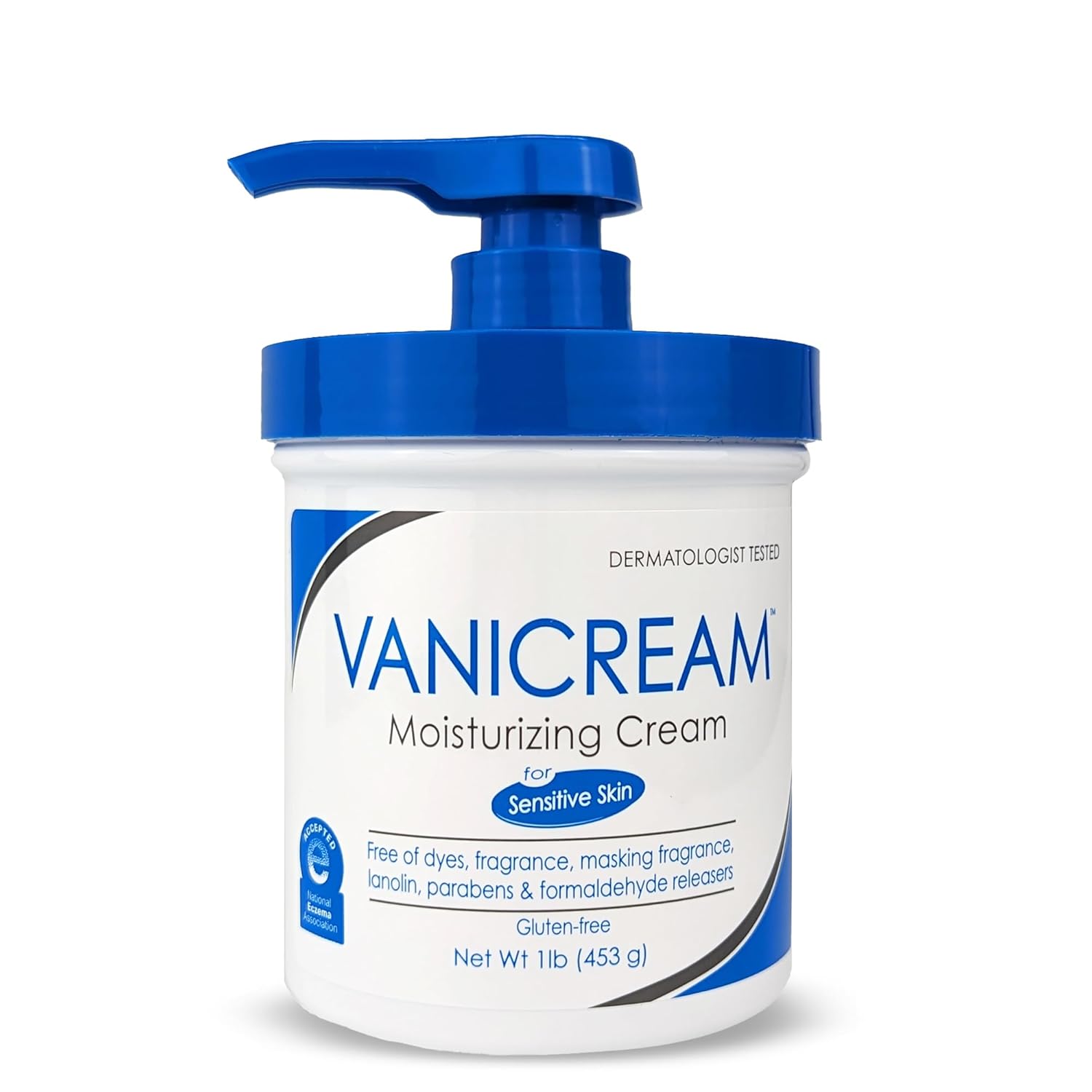
What to do instead: Switch to fragrance-free products across your entire routine (fragrance-free is NOT the same as unscented, by the way, “unscented” products can still contain masking fragrances). The Vanicream Moisturizing Skin Cream is dermatologist-recommended for sensitive skin and is completely free of fragrance, dyes, parabens, and lanolin. It’s rich without being greasy, and it’s one of those products people buy over and over and OVER again. Pair it with a great hydrating face mask once a week for extra nourishment.
10. Not Seeing a Dermatologist Regularly
This is the big one, and I saved it for last because it’s arguably the MOST important mistake on this list. If you’re over 60 and you don’t have a dermatologist you see at least once a year, please make that appointment today. I’m serious, put this article down and call.
Skin cancer rates increase significantly with age, and early detection is absolutely critical. A dermatologist can spot things that you (and your bathroom mirror) simply can’t. They can also help you build a skincare routine that’s tailored to YOUR specific skin concerns, prescribe medical-grade products like tretinoin, and monitor any changes in moles, spots, or skin texture.
Beyond cancer screenings, a derm can help with age-related issues like extreme dryness, thinning skin, rosacea flare-ups, and that general “dullness” that can be frustrating to treat on your own.
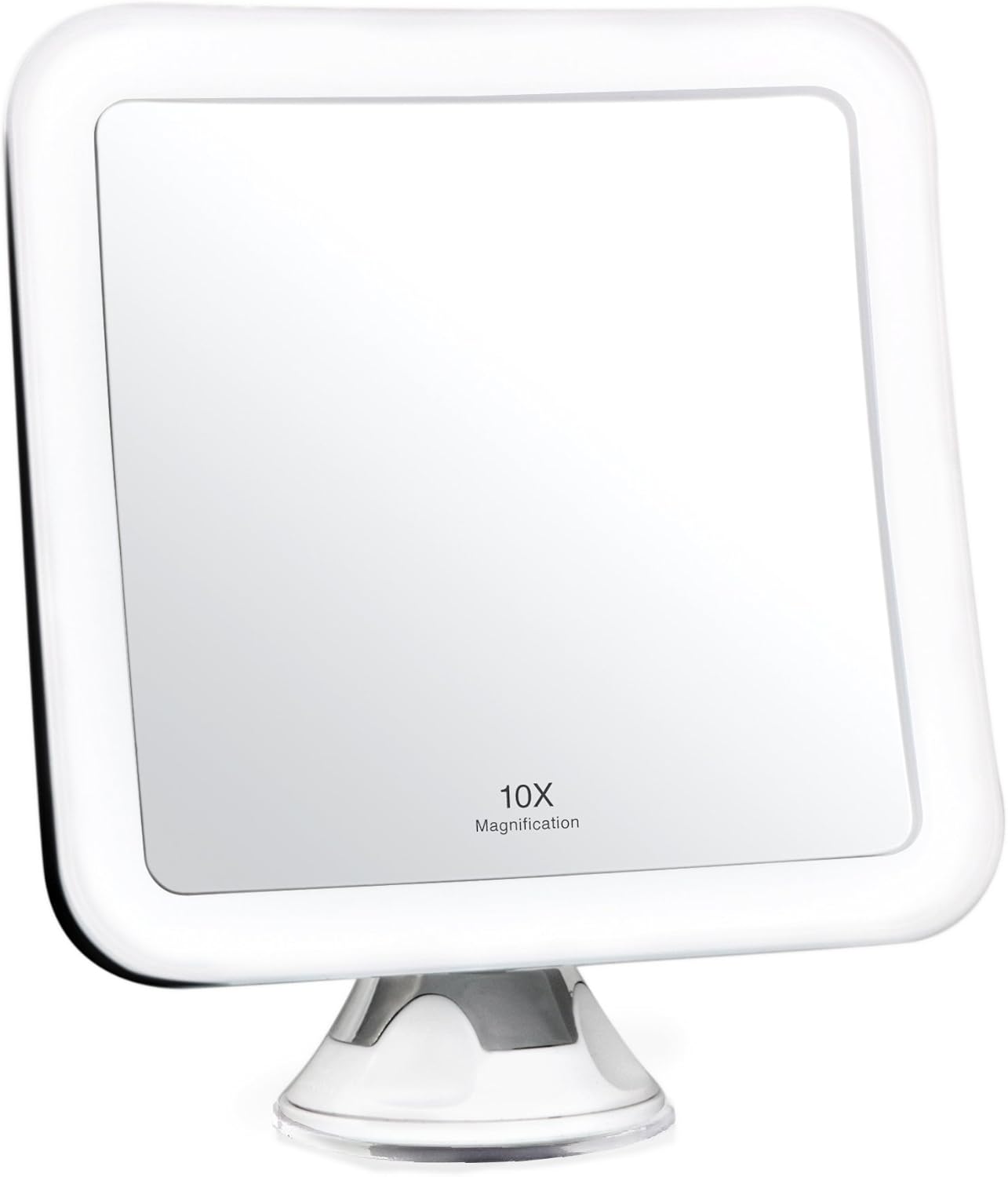
What to do instead: Schedule an annual full-body skin check with a board-certified dermatologist. In between visits, do monthly self-checks at home (the ABCDE rule for moles is a great starting point: Asymmetry, Border, Color, Diameter, Evolving). And invest in a good magnifying mirror for those checks, the Fancii 10X Magnifying Mirror with LED lights makes it SO much easier to spot changes you’d miss otherwise.
The Last Drop
Skincare over 60 isn’t about trying to look 30. It’s about keeping your skin HEALTHY, comfortable, and protected, and yeah, looking pretty darn gorgeous while you’re at it. The mistakes on this list are incredibly common, but they’re also incredibly fixable. You don’t need 47 products or a 12-step routine. You need the RIGHT products, used the RIGHT way, consistently.
Start with one or two changes from this list, maybe swap out that harsh cleanser or finally commit to sunscreen every morning, a
What Our BEEs Are Buzzing About
Here’s what the beauty community is saying about these products:
Frequently Asked Questions About Skincare Mistakes Over 60
What is the best skincare routine for women over 60?
A solid routine for women over 60 doesn’t need to be complicated. In the morning: gentle cleanser, vitamin C serum, moisturizer, and sunscreen (SPF 30+). At night: gentle cleanser, retinol (2-3 times per week), eye cream, and a rich night cream. That’s it! The key is consistency and using products formulated for mature, sensitive skin. Avoid anything with heavy fragrance, and always extend your products down to your neck and chest.
Is retinol safe for women over 60?
Absolutely, retinol is not only safe for women over 60, it’s one of the MOST beneficial ingredients you can use. The key is starting with a low concentration (look for 0.25% to 0.5% retinol) and using it just 1-2 times per week at first. Apply it on completely dry skin, and always use the “sandwich method”, moisturizer, retinol, moisturizer, to minimize irritation. If over-the-counter retinol feels too strong, ask your dermatologist about prescription tretinoin at a low dose.
How often should women over 60 exfoliate?
Once or twice a week is plenty for mature skin. Over-exfoliating is one of the most common mistakes women over 60 make, it damages your skin’s protective barrier and leads to redness, irritation, and increased sensitivity. Skip the harsh physical scrubs and opt for a gentle chemical exfoliant with AHAs (like glycolic or lactic acid) instead. Your skin will be smoother and brighter without the damage.
Do I really need a separate eye cream?
Yes! The skin around your eyes is the thinnest and most delicate on your body, and regular moisturizers aren’t formulated for this area. A good eye cream addresses specific concerns like crow’s feet, dark circles, and puffiness with targeted ingredients at the right concentration. Apply it with your ring finger (gentlest pressure) both morning and night. Check out our full roundup of our full eye cream guide for more recommendations.
Why is my skin suddenly more sensitive as I’ve gotten older?
It’s not your imagination! As we age, our skin’s protective barrier weakens, it produces less oil, thins out, and becomes more susceptible to irritants. Hormonal changes during and after menopause also play a huge role, reducing collagen and elastin production. This means products you’ve used for years without issue (especially those with fragrance) can suddenly cause irritation. Switching to fragrance-free, gentle formulations is one of the best things you can do for aging skin.
How often should I see a dermatologist after 60?
At minimum, once a year for a full-body skin cancer screening. If you have a history of skin cancer, lots of moles, or fair skin, your dermatologist may want to see you every 6 months. Beyond screenings, a dermatologist can help you fine-tune your skincare routine, prescribe stronger treatments like tretinoin, and address concerns like extreme dryness, rosacea, or age spots that are harder to manage with over-the-counter products alone.
What SPF should women over 60 use?
SPF 30 is the minimum, SPF 40-50 is even better for daily use. Look for “broad spectrum” on the label, which means it protects against both UVA rays (aging) and UVB rays (burning). For mature skin, choose a sunscreen that also hydrates, mineral sunscreens with zinc oxide tend to be gentler on sensitive skin. And remember: sunscreen only works if you apply ENOUGH of it. Most people use about half the amount they need, so be generous!