My Favorite Homemade Body Care Products
Every product on Beauty Empties is one that actually gets used up and bought again. Some of the links in this post are affiliate, which means we may earn a small commission if you make a purchase, at no extra cost to you. Thanks for being here!
I love the idea of homemade body care more than I love most actual homemade body care. That’s probably because a lot of DIY beauty recipes online seem to be written for someone with a pantry, a craft room, a chemistry background, and unlimited patience. I do not have all of those things on the same day.
What I do like is a simple body scrub that takes two minutes to make. A bath soak that uses ingredients I already have. Maybe a hair oil I can put on before a shower and not think about again. I like homemade beauty when it feels easy, useful, and not like I have to turn my bathroom into a farmers market booth.
There is also a big difference between homemade body care and homemade skincare. A quick scrub for your legs is one thing. A kitchen-made face serum is another. Facial skin tends to be more reactive, and homemade products do not have the preservatives, stability testing, or safety controls that finished cosmetic products do.
That does not mean DIY body care is off-limits. It just means the best recipes are simple, small-batch, and used with common sense. Use clean jars and clean hands. Keep water out of anything you plan to save. Patch test new ingredients. And remember that “natural” does not automatically mean gentle.
A quick note before you start
Homemade body care works best when it stays simple. Anything made with water, aloe, tea, fresh fruit, yogurt, or other food ingredients should be used right away or kept for only a very short time. Homemade recipes do not have the same preservative systems as store-bought products, and the FDA notes that cosmetics can become harmful when contaminated with bacteria or fungi.
A carrier oil is the plain oil that dilutes an essential oil before it touches your skin. Coconut oil, jojoba oil, sweet almond oil, grapeseed oil, sunflower oil, olive oil, and argan oil can all be carrier oils. Essential oils are much more concentrated, which is why a few drops go a long way.
For most homemade body oils, scrubs, and balms, essential oils are optional. A common everyday range is 0.5% to 2%, which is about 3 to 12 drops of essential oil per ounce of carrier oil. Stay closer to 0.5% to 1% for sensitive skin, frequent use, or anything used over a larger area of the body. A 2% dilution is often described as about 12 drops of essential oil per 1 ounce of carrier oil.
| Dilution | Essential oil per 1 oz carrier oil | Best for |
|---|---|---|
| 0.5% | About 3 drops | Sensitive skin, frequent use, larger body areas |
| 1% | About 6 drops | General body oils and balms |
| 2% | About 12 drops | Occasional body use if your skin tolerates fragrance |
If you have pets, be careful with essential oils. Keep the bottles out of reach, do not let pets lick freshly oiled skin, and be cautious with diffusers, especially around cats, birds, and pets with breathing issues. Cats are especially sensitive because they metabolize some compounds differently, and Pet Poison Helpline lists several essential oils known to cause poisoning in cats, including wintergreen, sweet birch, citrus, pine, ylang ylang, peppermint, cinnamon, pennyroyal, clove, eucalyptus, and tea tree. For dogs, the list includes wintergreen, sweet birch, pine, cinnamon, pennyroyal, eucalyptus, and tea tree.
1. Brown Sugar Body Scrub
A brown sugar scrub is one of the easiest homemade body care products to get right because it only takes a few minutes and a couple of ingredients, but it still makes dry skin feel smoother right away.
Mix 1/2 cup brown sugar with 3 tablespoons coconut oil, olive oil, or jojoba oil. Add 1 teaspoon honey if you want a softer texture. Stir until it forms a thick paste.
Use it on damp skin in the shower, especially on elbows, knees, legs, and dry patches. Keep the pressure light. The sugar is there to smooth rough skin, not to scrub your legs into a new identity.
Keep this one below the neck. Facial skin is more reactive, and sugar scrubs can be too abrasive, especially if you use retinoids, exfoliating acids, acne treatments, or anything that already makes your skin more sensitive.
This scrub is best made fresh. If you save it, keep water out of the jar and use a clean spoon to scoop it.
In the BEE community, this is the recipe people keep going back to because it is two ingredients and works on damp skin without a learning curve. The recurring critique is the cleanup, since brown sugar dissolves slowly and ends up everywhere if the jar gets jostled. BEEs who keep it on rotation tend to make a small jar and use it up within two weeks rather than keeping a giant batch in the shower.
2. Coffee Body Scrub
This is the one to make when your skin feels dull and your shower needs to feel slightly more awake than you do.
Coffee grounds give the scrub a little grit, brown sugar helps smooth rough patches, and oil keeps the whole thing from feeling too scratchy. It will not detox your body or erase cellulite, but it can make skin feel softer and smoother, which is enough of a reason to make it.
Mix 1/2 cup used coffee grounds with 2 tablespoons oil and 1 tablespoon brown sugar. Massage it onto damp skin with light pressure, then rinse well.
This one can get messy, so it is better as an occasional scrub than a giant jar you keep in the shower. Coffee grounds can cling to the tub and may not be ideal for every drain, so use a light hand and rinse the shower well afterward.
BEEs who make this regularly all land on the same two warnings. Light-colored tubs can stain if grounds sit too long, and older plumbing can clog if you rinse a lot of grounds at once. The BEEs who love it tend to do it once a week at most and rinse with extra water afterward to flush the drain.
3. Oatmeal Bath Soak
An oatmeal bath is simple, soothing, and oddly nostalgic. If you had chicken pox as a kid, there is a decent chance someone put you in an oatmeal bath at some point, which may have been one of the least glamorous but most effective beauty-adjacent moments of childhood.
Blend 1 cup plain oats into a very fine powder. Add the powder to a warm bath and soak for 10 to 15 minutes. Keep the water warm rather than hot, because hot water can make dry skin feel worse. Dermatologists often recommend colloidal oatmeal baths for itchy skin, and the American Academy of Dermatology suggests soaking for 10 to 15 minutes, then applying moisturizer while skin is still damp.
This is especially nice when skin feels dry, tight, or itchy. Oatmeal can make the tub slippery, so step out carefully and rinse the bath afterward.
If you would rather skip the blender step entirely, the Aveeno Soothing Bath Treatment is a packet of colloidal oatmeal that is already milled to the right texture, which is what most dermatologists recommend by name when patients ask for an oat bath product. It is the easy version of this recipe for nights when you cannot face cleaning oat residue out of a Vitamix.
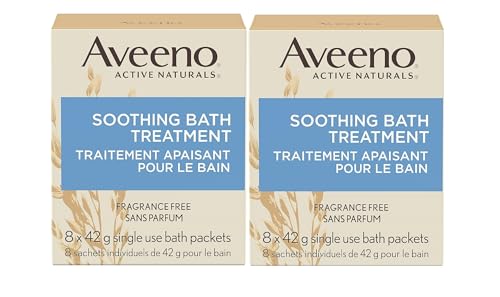
Aveeno Soothing Bath Treatment
The #1 pick for a no-blender oatmeal bath. Colloidal oatmeal in single-use packets, the version derms name first when patients ask for an oat soak for itchy or irritated skin. Pours straight under running water without the residue clean-up.
BEEs swear by the oatmeal bath for the kind of full-body itch that hits after a sunburn, after a stretch of dry winter days, or in the middle of a retinoid week when the skin on the chest and arms feels tight. The recurring note is to moisturize within three minutes of getting out, because the oatmeal effect fades fast if you let your skin air-dry.
4. Coconut Oil Cuticle Treatment
This is the lowest-effort recipe in the whole article, which is exactly why it earns its place.
Rub a tiny amount of coconut oil, olive oil, jojoba oil, or sweet almond oil into cuticles before bed. That is all it takes.
This works well when cuticles look dry, rough, or ragged. Use less oil than seems necessary, because a little goes a long way. Too much will end up on sheets, hair, phone screens, and somehow every surface nearby.
If coconut oil feels too heavy, jojoba oil is a lighter option. It absorbs more elegantly and tends to feel less greasy.
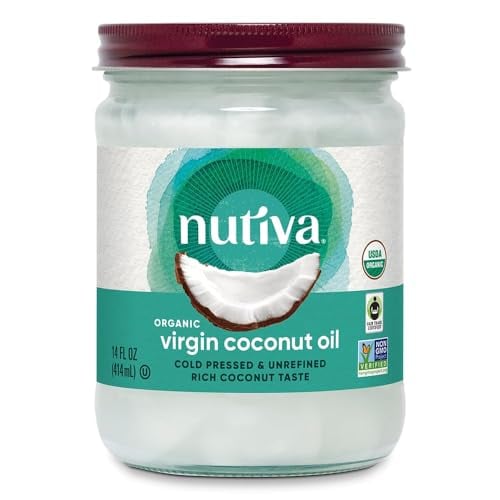
Nutiva Organic Virgin Coconut Oil
The #1 pick for the coconut-oil-on-everything jar. Cold-pressed organic virgin coconut oil at a price point that lets you keep one jar for the kitchen and a smaller jar for the bathroom without thinking twice. Works for cuticles, hair ends, dry patches, and the rest.
BEEs name coconut oil as the cuticle treatment that works when you remember to do it and forgives you when you don’t. The honest critique is that anyone who works with their hands often (typing on a laptop, kneading dough, painting) finds that coconut oil cuticles look great at bedtime and rub off by mid-morning. The BEEs who want longer-lasting results pair this with a thicker cuticle balm during the day.
5. Pre-Shower Hair Oil
A lot of homemade hair masks call for egg, yogurt, honey, avocado, or half the refrigerator. A pre-shower hair oil gives you the soft-hair payoff of a mask without putting breakfast ingredients on your head.
Warm a small amount of coconut oil, olive oil, argan oil, or jojoba oil between your hands. Apply it from mid-lengths to ends, avoiding the scalp if your hair gets oily. Leave it on for 20 to 30 minutes, then shampoo well.
This is best when your ends feel dry, frizzy, or a little crunchy. It will not repair split ends, because nothing truly repairs split ends except a trim. It can make hair feel softer and smoother, which is often the more realistic goal.
Use less oil than you think you need. Fine hair may only need a teaspoon. Thick, curly, coarse, or very dry hair may need more.
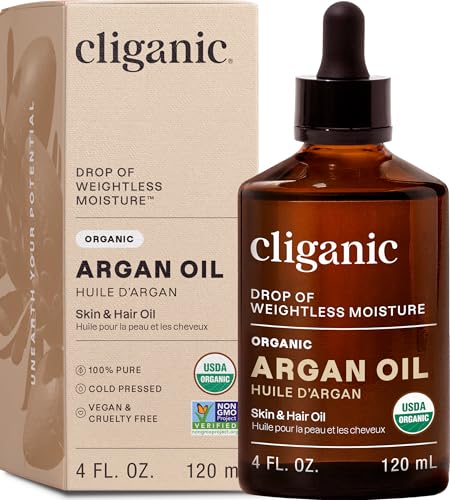
Cliganic Organic Argan Oil
The #1 pick for pre-shower hair treatments. Cold-pressed Moroccan argan oil, USDA organic, in the size you actually finish before it goes off. Lighter than coconut oil for fine hair and easier to wash out in one shampoo.
BEEs split on which oil works best, but the pattern is consistent: coconut oil for thick or coarse hair, argan or jojoba oil for fine or wavy hair, and olive oil for anyone whose hair tolerates everything. The most common complaint is incomplete rinse-out, and the fix BEEs land on is shampooing twice or pre-emulsifying the oil with shampoo before adding water.
6. Honey and Yogurt Body Mask
A honey and yogurt body mask sounds a little like something that should be eaten standing over the sink, but it can be surprisingly nice on dry arms or legs.
Mix 2 tablespoons plain yogurt with 1 teaspoon honey. Smooth it onto dry areas below the neck, leave it on for 5 to 10 minutes, then rinse well.
Use this as a body treatment rather than a face mask. Homemade masks can get unpredictable fast on the face, especially if your skin is acne-prone, sensitive, or already using active ingredients.
Skip this on broken, freshly shaved, irritated, or sunburned skin. Make it fresh and use it right away. It is still food, even if it is having a beauty moment.
BEEs treat this as a once-in-a-while ritual rather than a routine product, and the recurring critique is that it is messy enough that the cleanup outweighs the benefit on a normal weeknight. The BEEs who like it best do it on a Saturday morning when the bathroom is already getting cleaned, since the splash zone is real.
7. Simple Body Oil
A homemade body oil is one of the easiest DIY body products because there is barely any making involved.
Choose jojoba oil, sweet almond oil, grapeseed oil, sunflower oil, coconut oil, olive oil, or argan oil. Smooth a little over your arms and legs while your skin is still damp from the shower, then follow with lotion if your skin is very dry.
This helps seal in that little bit of post-shower moisture before your skin fully dries down. It is especially nice on shins, elbows, and any spot that tends to look dry again five minutes after you moisturize.
Essential oils are optional here, and fragrance-sensitive skin is usually better off without them. If you do add one, keep the dilution low and skip it on irritated, freshly shaved, or reactive skin.
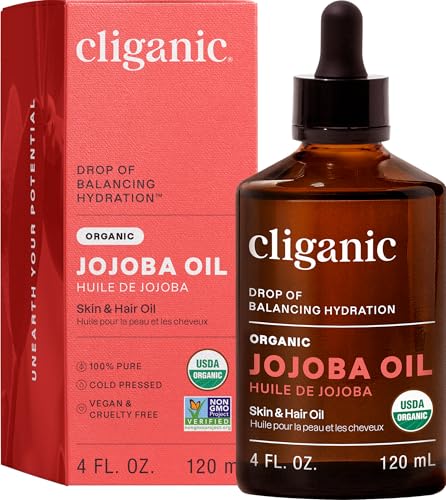
Cliganic Organic Jojoba Oil
The #1 pick for a simple post-shower body oil. Cold-pressed organic jojoba, the most skin-similar of the carrier oils, which makes it the easiest to layer under lotion without feeling greasy. The bottle that earns the spot on the bathroom counter.
BEEs name jojoba and sweet almond as the two oils that disappear into skin without leaving a film, and they reach for heavier options like coconut or olive when skin is very dry or after a long flight. The recurring note is to apply on damp skin, because oil on dry skin tends to sit on top instead of softening.
8. DIY Dry Shampoo
DIY dry shampoo is useful in a pinch, especially if you are out of your usual spray or want a very simple powder option.
For lighter hair, use 2 tablespoons arrowroot powder or cornstarch. For darker hair, add 1 teaspoon cocoa powder and mix well. Dip a fluffy makeup brush into the powder, tap off the extra, and dust it lightly at your roots. Wait a minute, then brush through.
A brush gives much better control than pouring powder directly onto the scalp. It also helps avoid that obvious dusty look that can happen when too much powder lands in one place.
Skip baking soda here. It appears in many DIY beauty recipes, but it can be too harsh and drying for skin and scalp.
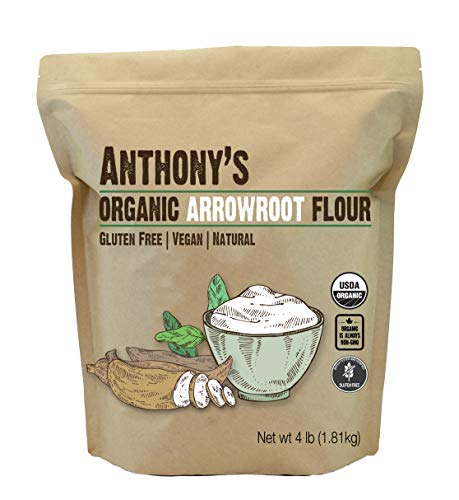
Anthony’s Organic Arrowroot Flour
The #1 pick for DIY dry shampoo powder. USDA organic arrowroot in a resealable pouch that costs less than a single bottle of dry shampoo spray. Lighter than cornstarch on dark roots and easier to brush out clean.
BEEs report that the cocoa powder ratio for darker hair takes a couple of tries to get right, since too much reads brown and not enough leaves a gray cast at the part line. The BEEs who use this regularly mix a small jar with their personal ratio and keep a fluffy brush next to it, which is faster than measuring each morning.
9. Shea Butter Hand Balm
Shea butter hand balm is best for hands that feel dry from dishwashing, hand sanitizer, air conditioning, or regular daily wear.
Mash 2 tablespoons shea butter with 1 tablespoon jojoba oil, olive oil, sweet almond oil, or sunflower oil. Keep mixing until it is smooth enough to rub into skin.
Use a small amount before bed. This is rich, so it is better as a nighttime balm than something to apply right before typing, driving, or touching anything shiny.
Whipping the balm can make it feel more like a store-bought body butter, but it is not required. A simple mashed version works perfectly well.
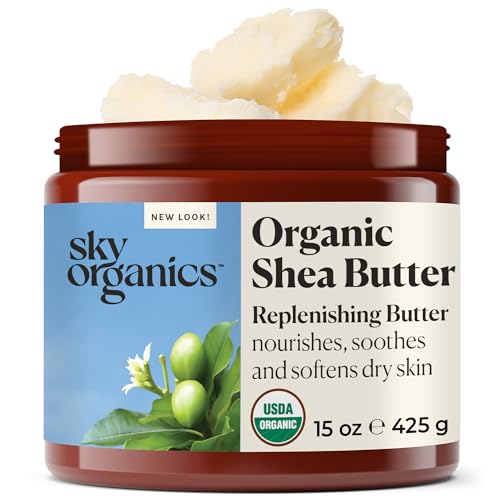
Sky Organics Organic Raw Shea Butter
The #1 pick for a homemade hand balm. Unrefined, fair-trade African shea in a 15-ounce tub that lasts a year of weekly balm batches. Soft enough at room temperature to mash without melting it first.
BEEs warn first-timers about the smell of raw unrefined shea, which is nutty and stronger than the version in commercial body butters. The fix most BEEs land on is whipping it with a drop of vanilla extract or a low-dilution essential oil to soften the scent, or buying refined shea instead and accepting that some of the natural compounds are lost in the refining process.
10. Rose Water Body Mist
A rose water body mist is nice when you want something light and refreshing, especially after a shower or before body oil.
Use plain rose water in a clean spray bottle. Mist it lightly over arms, legs, or chest, then apply lotion or body oil while skin is still slightly damp.
A mist is not a moisturizer on its own. It feels lovely, but water evaporates. It works better when followed with something that helps seal in moisture.
If you pour rose water into your own bottle, store it in the refrigerator and use it within a few days. If you keep it in the original bottle, follow the product’s expiration and storage instructions.
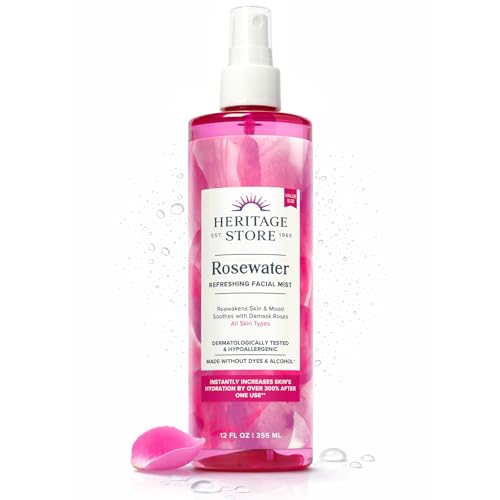
Heritage Store Rose Petals Rosewater
The #1 pick for a DIY rose water mist. The original Heritage Store formula made from steam-distilled Bulgarian rose petals, single-ingredient and inexpensive enough to use generously. The drugstore bottle natural-beauty editors have been buying for decades.
BEEs use rose water mist as a between-step rather than a finished product, spraying it before a body oil or lotion to give the moisturizer something to absorb into. The recurring note is the refrigeration rule, since pouring it into a non-original bottle drops the shelf life from months to a handful of days unless the bottle is fully sterilized.
11. Olive Oil Foot Treatment
This is not glamorous, but it is very satisfying when heels feel dry.
Rub a thin layer of olive oil, coconut oil, or shea butter onto your feet right after a shower, then put on cotton socks before bed.
If your heels are very rough, use a foot file gently first. Do not overdo it, especially if the skin is cracked or painful. At that point, your feet need steady moisture and a little patience more than an aggressive scrub session.
BEEs treat this as a sleep treatment more than a beauty product, with the cotton socks being non-negotiable since olive oil on bedsheets is a one-way ticket to oil stains. The BEEs who do this consistently see the most change at the heel and the ball of the foot, where the skin tends to thicken from walking and standing.
Frequently Asked Questions
Is homemade body care actually better than store-bought?
Not really. Homemade body care can be cheaper, simpler, and free of fragrance or preservatives if those are concerns for you. Store-bought products have the advantage of preservative systems, stability testing, and consistent ingredient ratios that home recipes cannot match. The most useful framing is that homemade recipes are great for occasional rituals (a sugar scrub, a hair oil, an oatmeal soak) and store-bought products earn their place for daily routines that need to be consistent and shelf-stable.
What ingredients should I never put on my face?
Sugar scrubs, lemon juice, baking soda, undiluted essential oils, raw garlic, and toothpaste are the big ones DIY recipes still recommend even though dermatologists do not. Sugar is too abrasive for facial skin and can create tiny tears that lead to irritation. Lemon juice makes skin more sensitive to light and can cause chemical burns when paired with sun exposure. Baking soda disrupts the skin’s pH. Essential oils can be sensitizing on facial skin at any meaningful concentration. Toothpaste contains ingredients that dry out skin and are not formulated for the face.
How long does homemade body care last?
It depends entirely on the recipe. Anything with water, fresh food, aloe, tea, yogurt, or fresh herbs should be made fresh and used within a few days, kept refrigerated. Oil-only or wax-and-oil products like a hand balm or body oil can last a few months if water never touches the jar and you scoop with a clean spoon. The honest test is your senses: if it smells different, looks different, or feels different than when you made it, toss it.
Are essential oils safe to use in homemade body care?
In small amounts, properly diluted, on body skin that is not broken, irritated, or freshly shaved, most essential oils are tolerated. They are still concentrated enough to cause sensitization, photosensitivity, or allergic reactions at low doses if your skin is reactive. Citrus oils in particular can cause sun-sensitivity reactions. Keep the dilution at 0.5% to 2% for body use, do not use them on facial skin in homemade recipes, and skip them around pets, especially cats.
Can I use these recipes if I have sensitive skin?
Most of them, with some adjustments. Skip the sugar scrub, the coffee scrub, and any recipe with essential oils. Stick to oil-only treatments (jojoba, sweet almond, sunflower) and the oatmeal bath. Always patch test a new ingredient on the inside of your forearm before using it across a larger area. If you have eczema, rosacea, or a barrier disorder, ask a dermatologist before introducing anything new, since “natural” ingredients can still trigger flares.
What Our BEEs Are Buzzing About
Here’s what the beauty community is saying about these products:
Related Articles
- How to Give Yourself a Real At-Home Spa Day (Without Leaving the House or Spending a Fortune)
- 5 Body Scrubs You Can Actually Feel Working
- The Body Lotions People Buy in Bulk Because They Go Through Them That Fast
- These Are The Top 10 Face Oils for All Skin Types
- The Cuticle Oils and Nail Treatments That Are Quietly Worth Every Penny
Want to become a Beauty Empties Expert?
BEEs get free products to test, exclusive discount codes from our brand partners, and live access to The Hive sessions with dermatologists and beauty editors. Spots are limited and hand-picked.
We cross-checked every product against PETA’s Beauty Without Bunnies database before publishing. Where you see our cruelty-free mark on a product card, the brand has been independently verified by PETA. Brands without it may still be cruelty-free under their own policies; we only use the mark on the PETA-verified ones.