10 Common Beauty Habits That CAN Work Against Women Over 50 (and the Simple Swaps That Actually Help)

The beauty industry still hasn’t quite caught up to the skin women have at 55. Most routines in wide circulation were built for faces at 25 or 35, and they weren’t updated when ours shifted. A lot of what was fine at 30 is quietly working against you now. And a lot of advice from twenty-five-year-old TikTok dermatologists treats every difference as a problem to solve, which isn’t accurate either. It’s a different skin. It needs a different schedule.
If you buy through our links, we may earn a small commission at no cost to you. As an Amazon Associate, we earn from qualifying purchases. Our policy
Below are ten common habits women past 50 keep doing on autopilot, mostly because they worked at 30 and nobody mentioned they’d stop. Some swaps involve a new product, but most are just small tweaks to what you already do. Nothing on this list asks you to rebuild your routine from scratch.
1. You’re Washing Your Face With Hot Water
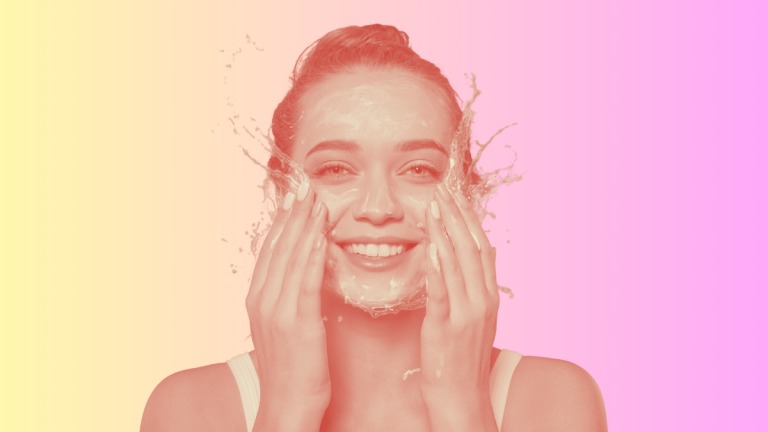
Who doesn’t love a hot shower?! Hot showers are comforting. But running your face under the same water that feels perfect on your neck and shoulders can actively damage the skin barrier at 50+. Water above 100°F strips surface lipids faster, disrupts the acid mantle, and leaves the skin more vulnerable to inflammation, redness, and transepidermal water loss (TEWL). On younger, oilier skin the bounce-back is fast. On menopausal or perimenopausal skin, which is already running drier and thinner to start with, hot water leaves visible tightness and increased sensitivity that can take days to recover from.
The fix is three degrees of temperature and one product swap. Lukewarm water, a gentle non-foaming cleanser, and a soft patting-dry with a clean cloth (not a rough towel you’ve had since 2012). Dermatologists consistently recommend Cetaphil or La Roche-Posay Toleriane Hydrating Gentle Cleanser as the two best drugstore options for sensitive, reactive, or mature skin.
The Swap
Turn the water down to lukewarm and swap whatever’s foaming up on your face for a gentle cream cleanser. You’ll notice the difference in a week.
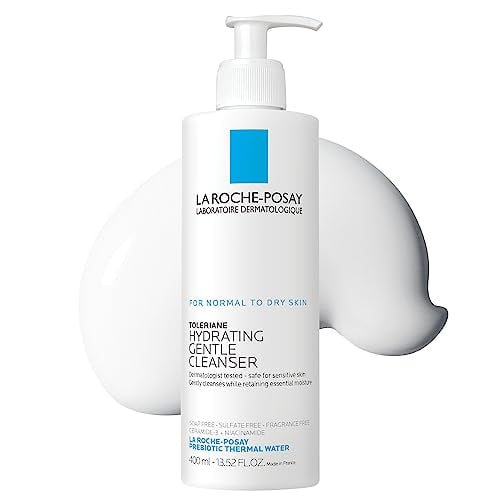
La Roche-Posay Toleriane Hydrating Gentle Cleanser
Fragrance-free, creamy no-foam cleanser built for sensitive, reactive, or mature skin. Removes makeup and SPF without touching the barrier.
2. You’re Over-Exfoliating
Chemical exfoliant every night. A scrub twice a week. Retinol. Vitamin C. An at-home peel on Sundays. The routine that suited your skin in your 30s doesn’t suit the skin you have now, and not because anything is wrong with your face. Natural cell turnover has moved from roughly 28 days to 50 or 60. Surface lipids and barrier ceramides are produced in smaller quantities. A schedule built for 30-year-old skin is simply more contact than this skin thrives on, and stacking actives at that frequency outpaces what the barrier can restore between sessions.
The answer isn’t giving up exfoliation. It’s cutting the frequency and making sure you’re putting back what you’re taking off. A barrier-repair moisturizer with ceramides, niacinamide, and prebiotic thermal water on non-active nights gives skin the actual support it needs to tolerate the actives you’re still doing two or three times a week. Doing less actually looks like more on the face, and that’s been the dermatology consensus for the last decade.
The Swap
Cut the actives back to a couple of nights a week. On the off nights, let a plain barrier-repair moisturizer do the work. Your skin will stop feeling raw within a week or two.

La Roche-Posay Toleriane Double Repair Face Moisturizer
Ceramides, niacinamide, and prebiotic thermal water. The barrier-repair base that lets you keep the actives you actually want to use.
3. You’re Sleeping on a Cotton Pillowcase, Same Side Every Night
Cotton wicks moisture and creates consistent friction against whichever side of your face you favor. Over a year, that’s roughly 2,900 hours of the same cheek pressed against the same fabric. Sleep lines that used to disappear by breakfast at 35 can hang around until lunch at 55, and the mechanical compression is doing work you don’t need it to be doing while you sleep. This is friction and gravity, not biology you can out-serum.
Silk pillowcases (mulberry silk, 22 momme or higher) have a clinical study in the Journal of Cosmetic Dermatology showing measurable reduction in sleep-related wrinkles over an 8-week test period. They also don’t pull moisture out of the skin or the hair the way cotton does, which is why hair stylists have been quietly recommending them forever. Not a cure-all. A quiet overnight upgrade that stacks up over time.
The Swap
Buy the silk pillowcase and use it every night. It works on you passively for eight hours a night while you’re not even awake.

Slip Silk Pillowcase
22 momme mulberry silk. The cult version with clinical data behind it. Hair stylists and dermatologists both quietly recommend this one.
4. You’re Stopping at the Jawline
Neck skin is thinner than facial skin to start with, has far fewer oil glands, and gets more accumulated UV exposure from V-necks, car commutes, and every walk to the mailbox. Most women who moisturize their face religiously end it neatly at the jaw, like there’s an actual wall there. By 55, the face has been cared for consistently and the neck has been quietly missing out, and the texture difference between them starts to feel less than ideal under studio lighting, natural daylight, or any mirror you actually want to look in.
The simplest fix is dragging whatever you put on your face down to the bra line every morning and night. A dedicated menopause-specific formula is the real upgrade if you want one, and the French pharmacy brands have put serious research money into products built for perimenopausal and postmenopausal skin across the whole face-and-neck zone. Vichy Neovadiol Serum for Peri & Post Menopause is formulated for the elasticity loss and hormonal dryness that kick in during this window specifically, and it layers easily from forehead down to bra line.
The Swap
Drag your face moisturizer all the way down to your bra line every morning and night. If you want to go further, a menopause-specific neck cream makes a real difference.

Vichy Neovadiol Serum for Peri & Post Menopause
French pharmacy formula built specifically for perimenopausal and postmenopausal skin across face and neck. Targets elasticity loss and hormonal dryness.
5. You’re Layering Actives Without a Hydration Buffer
Retinol on top of a Vitamin C serum on top of an acid toner, all straight onto clean skin. The layered-active routine you built during your peak skincare-optimization years is more contact than 50-plus skin needs. Actives in sequence, back to back, with nothing hydrating between them, multiply each other’s irritation fast. The result is redness, stinging, and a face that looks inflamed instead of the way you intended.
A hyaluronic acid serum between each active is the small change that transforms how the skin tolerates all of them. HA pulls water into the skin, buffers the pH of the next layer, and helps the actives absorb evenly instead of sitting on top in a concentrated hit. The Ordinary Hyaluronic Acid 2% + B5 is $9, contains three molecular weights of HA to work at different depths, and functions as the mechanical buffer your 30-year-old skin never needed.
The Swap
Put a hyaluronic acid serum between every active layer. It’s how the routine stops stinging.
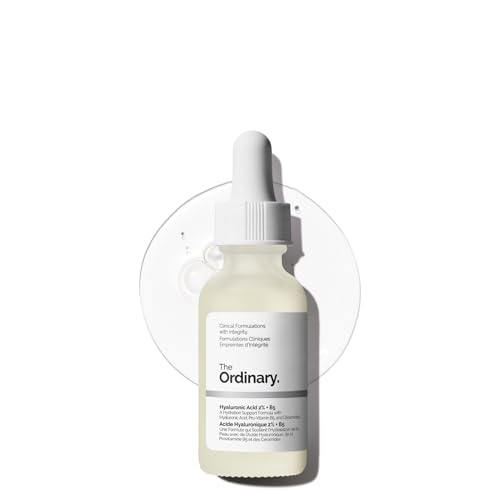
The Ordinary Hyaluronic Acid 2% + B5
Three molecular weights of HA plus pro-vitamin B5. Nine dollars. The buffer layer that makes actives tolerable on mature skin. Certified cruelty-free (PETA).
6. You’re Rubbing Your Eyes When You Take Off Makeup
Eye skin is roughly 10 times thinner than the rest of the face. The rubbing, pulling, and tugging involved in getting waterproof mascara off at the end of a long day will, over years of nightly repetition, stretch and thin that skin further. The fine lines that started appearing around your eyes at 42 are at least partly a mechanical result of the makeup-removal routine, not just time doing its thing.
The better method is simple. Micellar water on a cotton round, pressed against the closed eye for 30 seconds, dissolves mascara and eyeliner without any rubbing. Then one single swipe, lid to lashes. That’s it. No back-and-forth, no scrubbing, no hot washcloth over the eye. Bioderma Sensibio H2O is the French pharmacy staple dermatologists have been recommending since 1995, and still the easiest way to get full-face makeup off gently.
The Swap
Press a cotton round of micellar water over the closed eye, count to 30, then wipe once. The mascara comes off without any pulling.

Bioderma Sensibio H2O Micellar Water
The 1995 French pharmacy micellar water. Lifts mascara, eyeliner, and SPF without rinsing or rubbing. Derm-recommended at a volume that borders on aggressive.
7. You’re Skipping SPF on Cloudy Days or When You’re Indoors
UVA radiation passes directly through cloud cover and window glass. Every car commute, every workday spent next to a window, every overcast morning walk is still UV exposure contributing to the cumulative damage already showing up on your face as hyperpigmentation, fine lines, and loss of elasticity. The American Academy of Dermatology estimates up to 90% of visible skin aging comes from UV exposure, not from genetics. At 50+, that statistic carries weight. Every dark spot and bit of uneven texture you can point to now has sun exposure in its history, and the skin you have today is worth protecting going forward.
A dedicated facial SPF is the single highest-payoff step in any skincare routine, by a mile. It goes on every morning, cloudy or clear, working from home or not. Supergoop Unseen Sunscreen SPF 40 is the one that changed daily compliance for a lot of women who hated how sunscreen used to feel: truly invisible, layers under makeup with zero pilling, and leaves a blurred finish that doubles as a primer.
The Swap
Wear sunscreen every morning, regardless of weather or whether you’re leaving the house. If you do one thing on this list, make it this.

Supergoop Unseen Sunscreen SPF 40
Truly invisible gel-serum finish, no white cast, layers under makeup. The daily SPF that’s actually pleasant to wear. Certified cruelty-free (PETA).
8. You’re Using the Same Moisturizer Year-Round
The gel moisturizer that kept you comfortable in July has a harder time in January, especially on skin that has different hydration needs than it did at 30. Winter cold, indoor heat, and menopausal dryness stack in ways a lightweight summer formula simply cannot answer. Skin can feel uncomfortable for months at a time, and most of us just blame the weather and wait it out.
The routine doesn’t need to change every month. It needs to acknowledge two seasons. Richer moisturizers for fall and winter, lighter formulas for spring and summer. First Aid Beauty Ultra Repair Cream is the cult rich-cream option for mature, dry, reactive skin, with colloidal oatmeal, ceramides, shea butter, and allantoin. It’s National Eczema Association-accepted, which is the short way of saying it won’t set off the reactive skin that tends to show up in perimenopause.
The Swap
Once it gets cold, switch to something richer than your summer moisturizer. Go back in spring. Nothing more complicated than that.

First Aid Beauty Ultra Repair Cream
Colloidal oatmeal, ceramides, shea butter, allantoin. The cult rich cream for mature, dry, reactive skin. NEA-accepted. Certified cruelty-free (PETA).
9. You’re Avoiding Retinol Because It Was “Too Irritating” That One Time
Almost every woman over 50 has tried retinol at least once. A solid portion had a bad first experience, usually with a too-strong concentration applied too frequently on a barrier that wasn’t prepped for it, and swore the whole category off forever. The result is giving up the only over-the-counter topical with gold-standard peer-reviewed evidence for reducing wrinkles AND stimulating new collagen production. There isn’t a close second.
The trick at 50+ is starting over with a gentler formula, applying it two nights a week, and buffering with moisturizer on top. CeraVe Resurfacing Retinol Serum is the entry-level retinol most dermatologists recommend first: encapsulated retinol that releases gradually (significantly less irritation than straight retinol), three ceramides and niacinamide to support the barrier, and $19. It’s the product that gets women back on retinol after they quit the first time in 2004.
The Swap
Reintroduce retinol slowly: a gentler formula, twice a week, with a moisturizer layered on top. Most dermatologists walk women back to retinol using exactly this progression.

CeraVe Resurfacing Retinol Serum
Encapsulated retinol (gradual release, less irritation), three ceramides, niacinamide. $19. The entry-level retinol derms recommend first.
10. You’re Under-Eating Protein
Collagen is a protein, and its synthesis requires amino acids your body has to actually get from food. Post-menopause, natural collagen production drops roughly 30% in the first five years, and the body’s ability to replace what’s being lost is directly tied to how much dietary protein you’re eating. Most women over 50 are under-eating protein compared to what current research recommends, which sits around 0.8 to 1.2 grams per kilogram of body weight per day. The face shows the deficit first.
Eggs, fish, chicken, Greek yogurt, legumes, and yes, a collagen peptide supplement stirred into morning coffee all count. Vital Proteins Collagen Peptides is the most-studied collagen supplement on the consumer market, with research showing measurable improvement in skin elasticity, hydration, and wrinkle depth over 8 to 12 weeks of daily use. It won’t reverse menopause. It does give the body the raw material to keep producing what’s left.
The Swap
Eat the protein (0.8 to 1.2 grams per kilogram of body weight, daily). Add collagen peptides if you want the shortcut.

Vital Proteins Collagen Peptides
The most-studied collagen supplement on the consumer market. Clinical data on skin elasticity, hydration, and wrinkle depth over 8 to 12 weeks.
Frequently Asked Questions
What’s the single habit that hurts women over 50 the most?
Skipping daily SPF. Everything else on this list does incremental damage. SPF neglect compounds over years and shows up as hyperpigmentation and elasticity loss that no serum or laser fully undoes. It’s the one habit where fixing it now still has visible payoff six months from today.
Does drinking water actually do anything for skin at 50+?
For general health, yes. For direct skin hydration, it’s not the lever ’90s magazines promised. Topical humectants (hyaluronic acid, glycerin) and occlusives (Vaseline, moisturizers with ceramides) do the actual work of keeping water in the skin. Keep drinking water. Just don’t expect it to solve dryness on its own.
Can I skip retinol if my skin is genuinely sensitive?
You can, but you’re giving up the single most evidence-backed anti-aging ingredient available over the counter. The newer encapsulated retinol formulas (CeraVe, Olay Retinol24, Neutrogena Rapid Tone Repair) are genuinely tolerable on sensitive skin when you reintroduce them slowly. If your dermatologist has specifically told you no, that’s different. If you just had one bad experience in 2008, try again with a gentler formula.
How often should I actually exfoliate past 50?
Chemical exfoliant (AHA or BHA) once or twice a week, not every night. Retinol two or three nights a week. Physical scrubs, essentially never. Mature skin’s natural turnover rate is significantly slower than at 30, so the barrier doesn’t need or tolerate the exfoliation frequency you were doing in your 30s.
Is it worth buying a dedicated neck cream or can I just use my face moisturizer?
If you’re consistent about extending your face moisturizer down to your bra line every day, that covers most of the ground. A dedicated neck cream is a real upgrade, and the menopause-specific formulas (Vichy Neovadiol, StriVectin TL) have clinical data supporting elasticity and firming results a regular moisturizer doesn’t. Worth it if you have the budget. Not necessary to start.
A cruelty-free mark means the brand is certified by PETA, Leaping Bunny, or both at the time of writing. A missing mark doesn’t mean a brand tests on animals; it just means the brand isn’t certified by these programs.
What Our BEEs Are Buzzing About
Here’s what derms and the beauty community are saying about the habits and products above:
Want to become a Beauty Empties Expert?
BEEs get free products to test, exclusive discount codes from our brand partners, and live access to The Hive sessions with dermatologists and beauty editors. Spots are limited and hand-picked.
Related Articles
- 30 Years Later: Which Gen X Beauty Products Still Work (and Which Ones Wrecked Our Skin)
- Makeup Mistakes to Avoid After 60 (and What to Do Instead)
- The Best Moisturizers for Crepey Skin, According to Dermatologists
- SkinCeuticals C E Ferulic: An Honest Review
- The Best Skincare Products for Women Over 50