30 Years Later: The Gen X Skincare That Held Up (and the Stuff That Wrecked Our Faces)
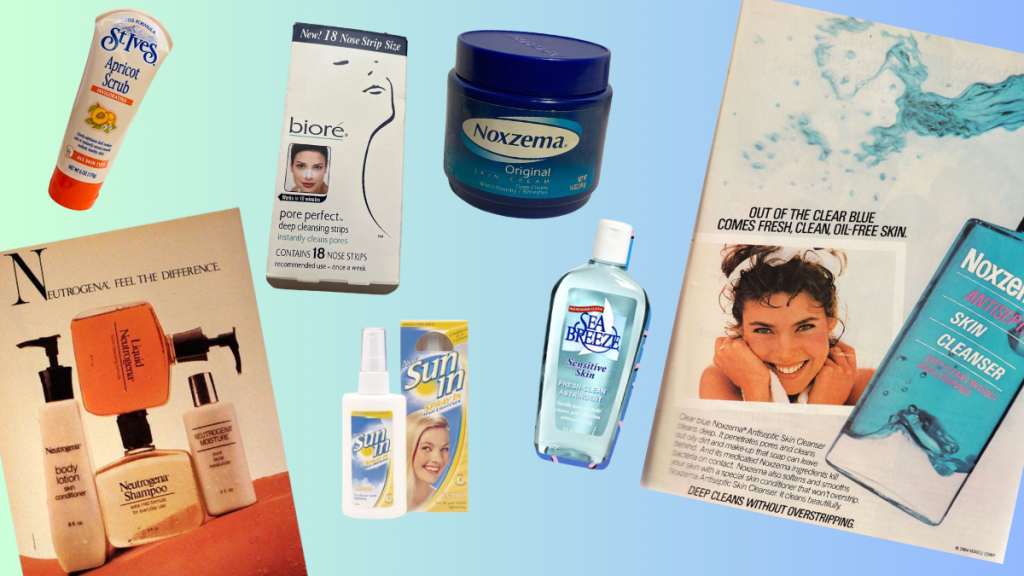
The Gen X beauty canon was intense. We had full routines by age 14. We knew what Noxzema smelled like, what Clinique Yellow Soap squeaked like, what a just-peeled Biore Strip looked like under the bathroom light. A lot of what we swore by has held up completely under 25 years of dermatology research. Some of it has been quietly walked back. A few things have been outright taken off every derm-recommended list.
If you buy through our links, we may earn a small commission at no cost to you. As an Amazon Associate, we earn from qualifying purchases. Our policy
Below are six Gen X beauty habits that modern dermatology still agrees with (plus the specific product most derms would still pick), followed by five things we swore by that the research has killed, with the modern replacement to put in its place. If you’re still doing any of the second list, apologies in advance.
Part 1: The Ones That Still Hold Up
1. Neutrogena Ultra Sheer (and the SPF Rule That Was Already Right)
If there’s one piece of ’90s beauty advice that has been completely vindicated by modern dermatology, it’s this one. The American Academy of Dermatology estimates up to 90% of visible facial aging is caused by cumulative UV exposure, not genetics. UVA (the wavelength that drives wrinkles and pigmentation) cuts straight through cloud cover and window glass. The “wear sunscreen even when it’s cloudy” advice you got from Seventeen Magazine in 1994 was correct. Baz Luhrmann’s 1999 “Wear Sunscreen” spoken-word track became a viral commencement speech because it was literally the only piece of beauty advice that universally held up.
Neutrogena Ultra Sheer Dry-Touch launched in 1997 and has been on every dermatologist’s short list continuously ever since. If you’ve been reaching for it since college, keep going.
The Gen X Verdict: STILL HOLY GRAIL
Of every piece of ’90s beauty advice we took on, this is the one that aged completely intact. Keep wearing it.

Neutrogena Ultra Sheer Dry-Touch Sunscreen SPF 55
The 1997 drugstore SPF derms still recommend today. Broad-spectrum, no white cast, layers under makeup.
2. RoC Retinol Correxion (the ’90s Cream That Aged Perfectly)
Gen X was the first generation with drugstore access to retinol. Retin-A became Renova (FDA-approved for wrinkles in 1996). RoC Retinol Correxion hit shelves in 1995 and made it affordable without a prescription. If you were an early adopter in your twenties, you’re still reaping the collagen-production benefits in your fifties.
Retinol is the ONLY over-the-counter topical with gold-standard peer-reviewed evidence (multiple JAAD studies) for both reducing existing wrinkles AND stimulating new collagen production. Nothing else has that record. Prescription tretinoin is still the benchmark, but OTC retinol converts in the skin to retinoic acid and produces real, measurable results, especially at 0.5% and up. Start low, use at night, never skip SPF the next morning.
The Gen X Verdict: STILL HOLY GRAIL
Retinol is still the single non-negotiable in a mature-skin routine. And the drugstore version is still RoC.
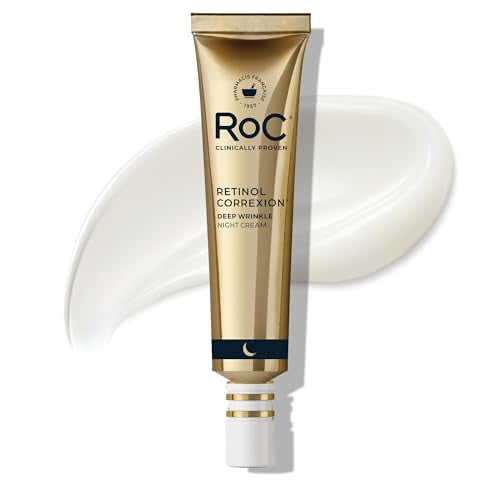
RoC Retinol Correxion Deep Wrinkle Night Cream
The late-’90s drugstore retinol that started it all. Under $30, clinical data on wrinkle reduction at 12 weeks, still on every derm list. Certified cruelty-free (PETA).
3. Paula’s Choice 2% BHA (Paula Was Right, Annoyingly)
Paula Begoun’s consumer beauty writing in the ’90s was the first mainstream voice calling out that physical scrubs with crushed walnut shells (looking at you, St. Ives) were causing microtears in the skin barrier. She launched Paula’s Choice in 1995 specifically to offer the gentler chemical exfoliation she’d been recommending in print for years. Her 2% BHA Liquid Exfoliant is still the benchmark salicylic acid product in the industry.
Beta hydroxy acid works differently than physical exfoliation. It dissolves the bonds holding dead skin cells to the surface instead of scraping them off. It’s oil-soluble, so it actually penetrates INTO the pore, which is where congestion and blackheads form. Unlike alpha hydroxy acids, it’s anti-inflammatory, which makes it gentler on reactive or acne-prone skin. Dermatology has spent 25 years confirming what Paula was writing about in Don’t Go to the Cosmetics Counter Without Me.
The Gen X Verdict: STILL HOLY GRAIL
Paula Begoun was writing about this stuff in the ’90s. Dermatology took 25 years to catch up with her.
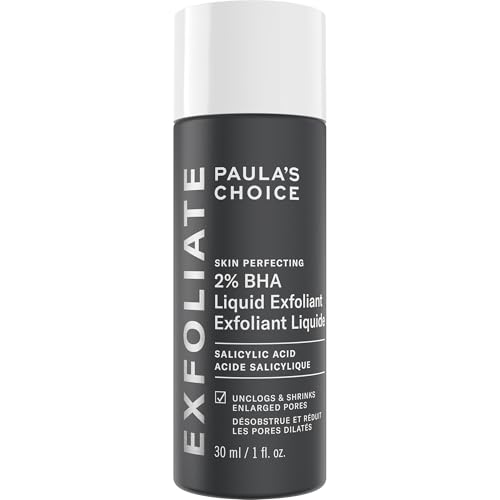
Paula’s Choice 2% BHA Liquid Exfoliant
The 1995 original and still the industry benchmark for salicylic acid. Anti-inflammatory, gentle on the barrier, a cult for 30 years. Certified cruelty-free (PETA).
4. Clinique Dramatically Different Moisturizing Lotion (the Yellow Tube)
Clinique Dramatically Different Moisturizing Lotion launched in 1968 and became the gateway drug into a lifetime of moisturizer loyalty for roughly every Gen X woman who stood at a department store beauty counter between 1985 and 2005. Part of the Clinique 3-Step ritual (Yellow Soap, Clarifying Lotion, DDML), it was the piece that actually earned its keep in the routine.
The formula was updated to DDML+ in 2016, with better hydration and a lighter feel, but the DNA is unchanged: fragrance-free, allergy-tested, non-comedogenic, suitable for sensitive skin. Dermatologists still stock it in their offices. The lotion suits combination skin, and the jelly version (also still sold) works better for dry.
The Gen X Verdict: STILL HOLY GRAIL
The gateway moisturizer for every Gen X woman who started at the Macy’s counter. It earned the loyalty for a reason.
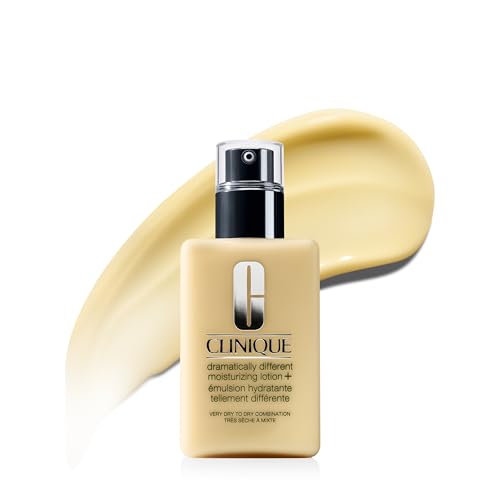
Clinique Dramatically Different Moisturizing Lotion+
The yellow tube, updated in 2016, still doing the job it did in 1989. Fragrance-free, allergy-tested, dermatologist-stocked.
5. Cetaphil Gentle Skin Cleanser (the Quiet Holy Grail Derms Still Push)
While everyone else was scrubbing with Noxzema or squeaking with Clinique Yellow Soap, the dermatologists’ actual recommendation for a daily cleanser was already on drugstore shelves. Cetaphil Gentle Skin Cleanser launched in 1947 for sensitive skin and became the quiet holy grail your derm would recommend if you brought up acne, rosacea, eczema, or reactive skin of any kind. No fragrance, no sulfates, no theatrics.
It still holds the title. Cetaphil Gentle Skin Cleanser is consistently ranked the #1 dermatologist-recommended cleanser in the US, according to market research cited by the brand. It removes dirt and oil without disrupting the skin barrier, which is precisely what modern dermatology cares about most. You probably ignored it in 1995 because it seemed too plain. That was the point.
The Gen X Verdict: STILL HOLY GRAIL
The boring answer to “what should I actually wash my face with?” has been the same bottle for 40 years.
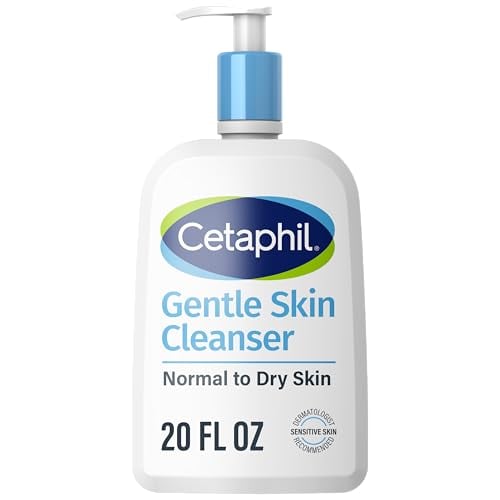
Cetaphil Gentle Skin Cleanser
The 1947 derm staple that’s never been improved upon. Fragrance-free, non-stripping, respects the barrier. Still the #1 derm-recommended cleanser.
6. The Evian Bottle, Now the Stanley Quencher (the Water Habit Endures)
Every Gen X beauty memory includes a supermodel holding a 1.5-liter Evian bottle. Cindy Crawford hydrating on set. Christy Turlington sipping backstage. The “eight glasses of water a day for glowing skin” advice landed on every magazine cover from 1987 through 2005. Gen X internalized it completely, and then some.
Dermatology has since walked back some of the direct skin-hydration claims. Drinking more water does not reroute to your face the way ’90s beauty editors promised. Skin hydrates when topical humectants (hyaluronic acid, glycerin) pull water INTO the surface and occlusives lock it there. That’s not an argument for drinking less water. It’s still good for you. The wellness instinct never died. The plastic Evian just got quietly replaced by a Stanley Quencher in every gym bag, car cup holder, and office desk.
The Gen X Verdict: HALF-RIGHT, STILL DOING IT
Drink the water (it’s good for you). For the glow the ’90s editors were promising, the hydration has to go on your face too.

Stanley Quencher H2.0 FlowState Tumbler 40oz
The modern heir to the supermodel Evian. 40oz, insulated, two-thirds of your daily water in one sitting. The vessel is the habit.
Part 2: The Ones Dermatology Now Says to Stop
7. St. Ives Apricot Scrub
The iconic green tube. The scrub that lived in every bathroom of the ’80s, ’90s, and 2000s. The one that felt like it was really doing something because you could feel the grit working on your face. Turns out that’s exactly the problem. The crushed walnut shell particles are large and irregular, and under microscopic imaging they cause visible microtears in the stratum corneum (the top layer of the skin barrier) with every use.
A class-action lawsuit was filed against St. Ives in 2016 specifically over this. The suit was dismissed on technical grounds, but the dermatology consensus solidified anyway. Physical scrubs with large, irregular particles are not appropriate for the face. Chemical exfoliation (salicylic acid, glycolic acid, lactic acid) does the same surface-renewal work without the barrier damage. Swap in a gentle salicylic acid cleanser and you’ll get the exfoliation you were after, without sanding off your barrier.
The Gen X Verdict: PUT IT DOWN
The gentle salicylic acid cleanser derms now recommend in place of every physical scrub on the drugstore shelf.
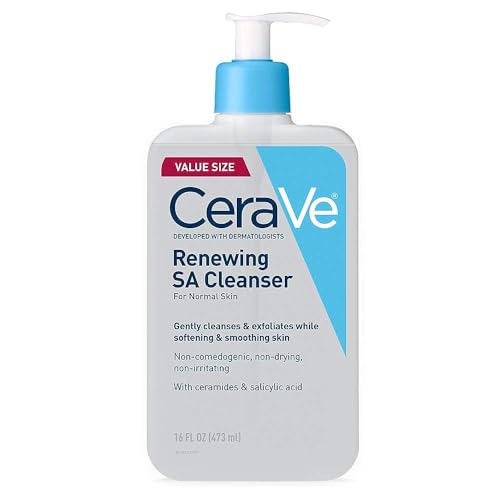
CeraVe SA Smoothing Cleanser
Gentle salicylic acid cleanser buffered with three ceramides. Exfoliates while repairing the barrier. The apricot scrub replacement your dermatologist actually recommends.
8. Bioré Pore Strips
The late-’90s bathroom ritual. Wet nose, apply strip, wait 10 minutes, peel slowly, marvel at the little black specks stuck to the white backing. Those specks were never blackheads. They were sebaceous filaments, a normal and healthy part of skin, which pore strips rip out along with everything else on the surface. Sebaceous filaments grow back within days. You were not winning.
Dermatologists now explicitly warn against pore strips. Dr. Andrea Suarez (drdrayzday), Dr. Shereene Idriss, and most of the major derm voices on social media have filmed dedicated segments about why to stop using them. Repeated use damages the barrier, can cause broken capillaries, and triggers rebound oiliness that makes pores look MORE prominent over time. The modern answer is consistent, low-dose salicylic acid applied inside the pore, not ripping the top off it every week.
The Gen X Verdict: PUT IT DOWN
A $6 serum that does what the pore strip was pretending to do. Consistently, and without the tearing.

The Ordinary Salicylic Acid 2% Solution
Targeted $6 salicylic acid that actually goes INTO the pore. Dissolves congestion, doesn’t rip the skin barrier off like a pore strip does. Certified cruelty-free (PETA).
9. Sea Breeze, Stridex, and the Alcohol Astringent Era
The smell alone will take any Gen X woman straight back to 1994. That bracing menthol-alcohol sting on a cotton round swiped across a teenage face, followed by the oddly satisfying tight feeling that meant you’d “really cleaned” your skin. The tight feeling was your skin barrier briefly panicking.
High-alcohol astringents strip the acid mantle and disrupt the skin microbiome. The short-term result is drier skin. The longer-term result is rebound oil production, since skin overcompensates for barrier damage, which makes the exact congestion they’re sold to solve worse over time. Dermatology consensus has moved entirely away from alcohol-based toners and astringents. The modern replacement is niacinamide, which regulates oil production without stripping anything.
The Gen X Verdict: PUT IT DOWN
What Stridex was selling, delivered without the barrier damage. Still six dollars.
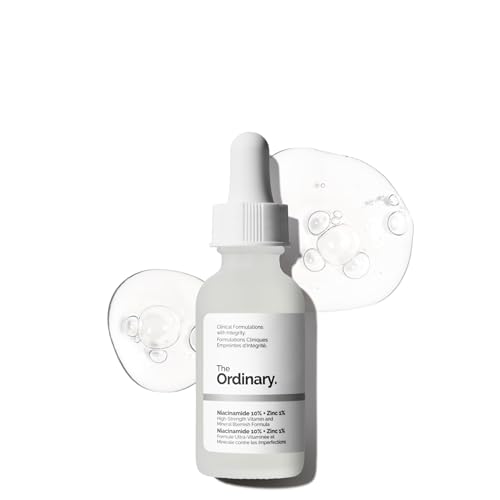
The Ordinary Niacinamide 10% + Zinc 1%
Six-dollar serum that regulates oil, shrinks the appearance of pores, and calms redness without wrecking the barrier. The modern Stridex, minus the damage. Certified cruelty-free (PETA).
10. Lemon Juice on the Face
Every teen magazine from 1985 to 2005 ran a natural-beauty tip recommending lemon juice as a skin brightener. It was presented as a clean, old-fashioned beauty hack, which made it feel harmless. It was not. Citrus on skin is phototoxic, meaning the compounds react with UV light to cause chemical burns, inflammation, and permanent hyperpigmentation. Some of the dark spots on 50-something faces right now started as lemon-juice-plus-sun experiments in 1994.
Dermatologists now explicitly include citrus juice in the “do not put on your face, ever” category, alongside toothpaste, rubbing alcohol, and baking soda. For the brightening effect the advice was promising, stabilized Vitamin C serums (L-ascorbic acid formulas) do the work without burning anything. SkinCeuticals C E Ferulic, launched in 1997, is still the dermatology gold standard and has been the subject of more peer-reviewed studies than any other consumer Vitamin C product. It’s $182 a bottle, which is genuinely a lot, and it’s also the one product in this entire list where paying up makes a measurable difference. Full honest review linked at the bottom of this piece.
The Gen X Verdict: PUT IT DOWN
The Vitamin C serum that set the gold standard in 1997 and has never been dethroned. Expensive. Worth it. Full review linked below.
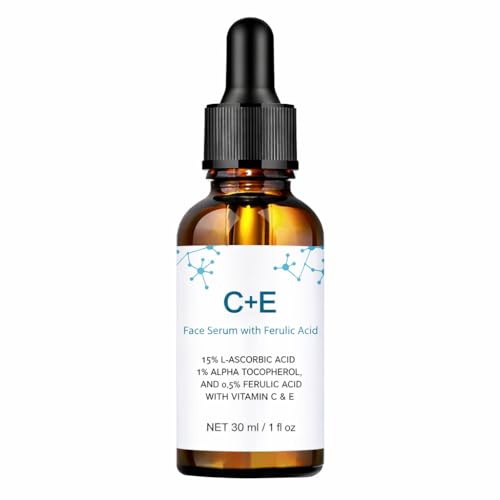
SkinCeuticals C E Ferulic
The 1997 antioxidant serum that still holds the dermatology gold-standard title. 15% L-ascorbic acid, 1% Vitamin E, 0.5% ferulic acid. More peer-reviewed studies than any consumer Vit C on the market.
11. Baby Oil, Tin Foil, Sun-In, and the Tanning Bed Years
The beauty ritual most Gen X women now deeply regret. Baby oil on bare skin, tin foil reflecting sun up onto your face, a kitchen timer set for 20 minutes per side. Or a $10 tanning bed session before homecoming. Or Sun-In (hydrogen peroxide plus lemon juice, activated by UV) sprayed on hair in the school parking lot for brassy “highlights” that turned anything darker than pale blonde a committed shade of orange. Tanning and its adjacent UV-chemistry hair rituals were presented as aspirational, healthy, and necessary for “a good complexion” in the ’80s and ’90s. All of it was pure cumulative skin and hair damage.
The research is overwhelming. A single tanning bed session before age 35 increases melanoma risk by 75% (JAMA Dermatology). Indoor tanning is classified as a Group 1 carcinogen by the WHO, the same category as tobacco and asbestos. Every dark spot, loss of collagen elasticity, and sagging cheek on a 50-something face has tanning somewhere in its etiology. Sun-In, meanwhile, is the hair-damage cousin. Stylists have been begging clients to stop using it for 30 years because the peroxide permanently alters hair structure and the results on anything other than pale blonde hair are almost universally brassy. The good news on both counts: self-tanners have gotten genuinely excellent and deliver the look with zero skin damage. The bad news is that there is no good drugstore DIY-highlighting hack. If you want lighter hair, pay a colorist.
The Gen X Verdict: PUT IT DOWN
All the bronze, none of the skin damage. The modern swap that makes giving up the tanning bed painless.
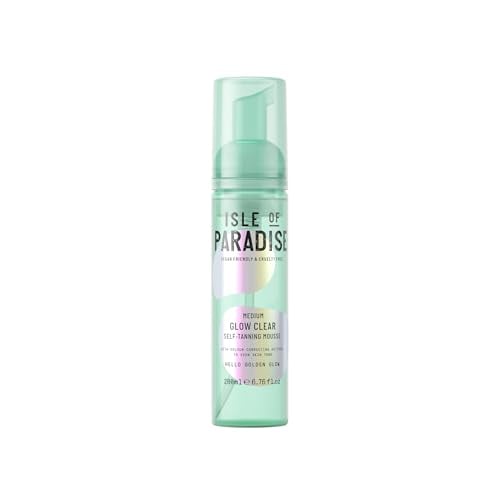
Isle of Paradise Self-Tanning Mousse
Color-corrected self-tanner, no orange, no streaks, no skin damage. The modern version of a ’90s bronze that your future face will thank you for. Certified cruelty-free (PETA).
Frequently Asked Questions
What’s the Gen X beauty habit that held up the best?
Daily sunscreen, by a wide margin. Up to 90% of visible facial aging comes from cumulative UV exposure per the AAD, and no serum, laser, or injection undoes that damage retroactively. If you’ve worn SPF consistently since the ’90s, you’re in the top decile of age-appropriate skin. Neutrogena Ultra Sheer, EltaMD UV Clear, or La Roche-Posay Anthelios all hold up.
What’s the worst Gen X beauty habit in retrospect?
Indoor tanning beds. One session before age 35 increases melanoma risk by 75% (JAMA Dermatology). Tanning beds are classified as a Group 1 carcinogen, the same category as tobacco. Every other item on the “put it down” list does damage, but tanning beds are the only one with cancer risk at that magnitude.
Are pore strips really that bad?
Yes. The specks you saw on the strip were sebaceous filaments (normal and healthy skin structures), not blackheads. Repeated use broke capillaries, damaged the barrier, and created rebound oiliness that made pores look bigger over time. Dr. Andrea Suarez (drdrayzday) and most major derm voices on social media have filmed dedicated segments telling people to stop. A $6 bottle of targeted salicylic acid does what pore strips were pretending to do.
Is drinking water actually useful for your skin?
For overall health, yes. For direct skin hydration, it’s less dramatic than ’90s beauty editors promised. Drinking more water does not route to your face the way topical humectants (hyaluronic acid, glycerin) and occlusives (Vaseline, moisturizer) do. Keep the Stanley habit because it’s good for you. Don’t expect it to fix dryness on its own.
Was Paula Begoun right about everything?
Mostly yes, which is the annoying part. Her ’90s writing in Don’t Go to the Cosmetics Counter Without Me flagged chemical exfoliation over physical scrubs, warned against alcohol-based astringents, and quietly pushed derm favorites like Cetaphil long before social media amplified any of it. Twenty-five years later, modern dermatology has confirmed the bulk of it. She was Gen X’s beauty receipts in long form.
A cruelty-free mark means the brand is certified by PETA, Leaping Bunny, or both at the time of writing. A missing mark doesn’t mean a brand tests on animals; it just means the brand isn’t certified by these programs.
What Our BEEs Are Buzzing About
Here’s what the beauty community (and dermatologists) are saying about the Gen X beauty canon:
Want to become a Beauty Empties Expert?
BEEs get free products to test, exclusive discount codes from our brand partners, and live access to The Hive sessions with dermatologists and beauty editors. Spots are limited and hand-picked.