These Are The Top 10 Face Oils for All Skin Types

Every product on Beauty Empties is one that actually gets used up and bought again. Some of the links in this post are affiliate, which means we may earn a small commission if you make a purchase, at no extra cost to you. Thanks for being here!
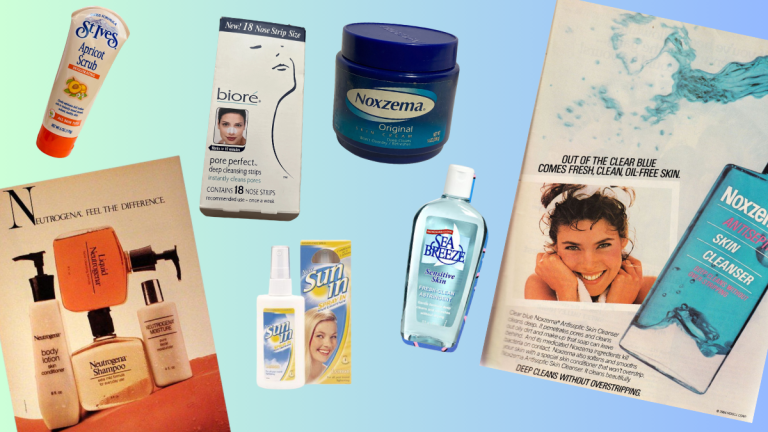
For a long time, face oil was a dare. We were all raised on oil-free everything (foundation, moisturizer, those green tea cleansers from the 90s that left your face squeaking), and the idea of slathering more of the stuff on, voluntarily, sounded absurd. Then a generation of facialists and dermatologists started putting oils back into routines, and the women with the best skin in the room turned out to be the ones with a glass dropper bottle on their bathroom counter.
Now face oils are everywhere, which comes with its own problem. There’s a $250 bottle, an $11 bottle, and a lot of Reddit arguing about which is which. We pulled the ten with the deepest pile of finished bottles, the most consistent BEEs reviews, and the formulas that genuinely earn their spot in a routine. There’s an oil here for every skin type, including the one that swore off oil in 1998 and doesn’t trust the comeback yet.
The Buzz
The face oil revival traces back to Linda Rodin, the longtime stylist who blended her own jojoba-and-rose oil in her kitchen because nothing on the shelf gave older skin the glow she wanted. That bottle became Rodin Olio Lusso, then Tata Harper launched in Vermont with a fully botanical line, then Sunday Riley showed up at Sephora with Juno. Within a few years, oil-free had stopped being a virtue.
1. Drunk Elephant Virgin Marula Luxury Facial Oil
Drunk Elephant built the entire brand on one oil, and most of the women who tried it bought it again. It’s a single ingredient (cold-pressed marula seed oil from wild-harvested African trees), and that simplicity is the point. No fragrance, no botanical extracts, nothing that triggers reactivity in the skin types that have a hard time with most of what’s labeled “natural.” The texture is closer to a quick-absorbing serum than a typical seed oil, which is why people who hate the feeling of oils on their face still finish a bottle of this one.
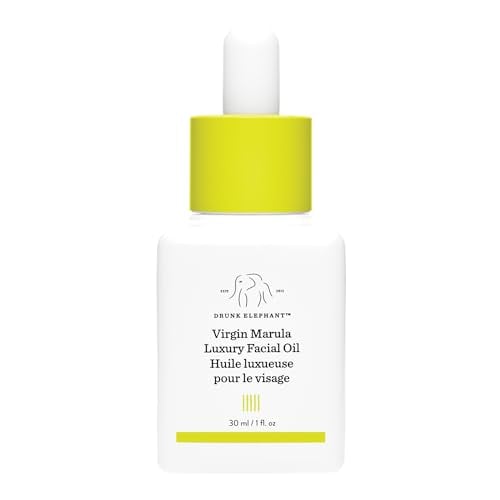
Drunk Elephant Virgin Marula Luxury Facial Oil, 30 ml
Single-ingredient cold-pressed marula oil. The brand’s hero product and the safest face-oil starter for sensitive skin.
The recurring criticism on Reddit is the price. Drunk Elephant prices the bottle at the high end for a single-ingredient oil, and marula oil is available from independent skincare lines for roughly half what they charge. The Drunk Elephant version isn’t dramatically more refined than the cheaper alternatives, so what you’re paying for is the brand standard and the dropper, not a measurably better oil.
2. Sunday Riley Luna Sleeping Night Oil
Sunday Riley turned face oil into a treatment category with this one. The blue color comes from blue tansy (an essential oil with calming properties), and the formula pairs it with a trans-retinoic acid ester, which is a gentler retinoid than prescription tretinoin. That makes it a rare oil that’s actually doing anti-aging work, not just sitting on top of the skin as a finishing layer. Beauty editors keep returning to it because it gives the smoothing effect of retinol without the sandpaper texture some retinol creams produce.
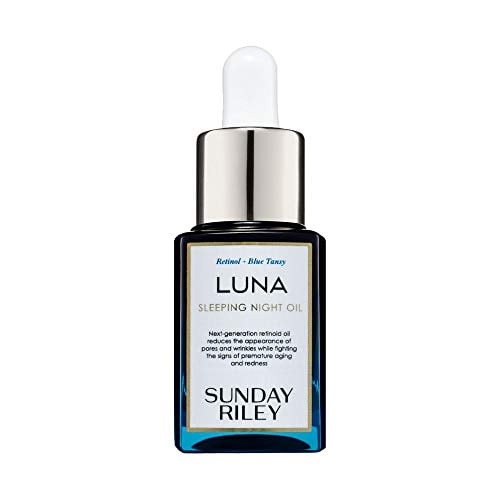
Sunday Riley Luna Retinol Sleeping Night Oil, 0.5 oz
Blue tansy and a gentle retinoid in a fast-absorbing oil. The original treatment-grade face oil.
The essential oil load is real, and r/SkincareAddiction has flagged Luna for years as one of the more reactive Sunday Riley formulas. If you have rosacea or a history of fragrance reactions, patch test inside your elbow before going anywhere near your face. The retinoid percentage isn’t disclosed either, which makes it harder to compare against any other retinol product you might already be layering it with.
3. Biossance Squalane + Vitamin C Rose Oil
Squalane is the lightest oil in skincare (it mirrors the lipid your skin already produces), and Biossance built their entire brand around making it from sugarcane instead of shark liver. The Vitamin C version adds a 10% ascorbyl tetraisopalmitate, a stable, oil-soluble form of vitamin C, plus rose extract for color and a faint floral scent. It does what a brightening serum does, with the slip and finish of an oil. People who can’t tolerate ascorbic acid serums often do tolerate this one because the oil base is so neutral.
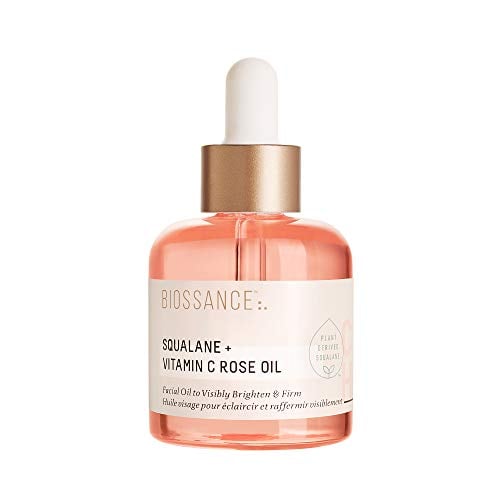
Biossance Squalane + Vitamin C Rose Advanced Facial Oil, 1 oz
A 10% stable vitamin C in a sugarcane squalane base. Brightening without the sting of an ascorbic acid serum.
It oxidizes faster than the brand admits. Reviewers on Sephora flag the bottle going amber within four months of opening, which usually signals the vitamin C is degrading and losing potency. Buy the smaller size and use it within the season instead of stockpiling.
4. The Ordinary 100% Organic Cold-Pressed Rose Hip Seed Oil
The Ordinary’s rosehip oil costs about as much as a Sephora birthday gift bag, and it does the same thing as the rosehip oils selling for five times the price. It’s certified organic, cold-pressed, and single-ingredient, with the natural beta-carotene and linoleic acid content that make rosehip a steady workhorse for hyperpigmentation and uneven texture. The cost-per-bottle ratio is the entire reason people who can afford the splurge oils still keep this one in rotation alongside them.
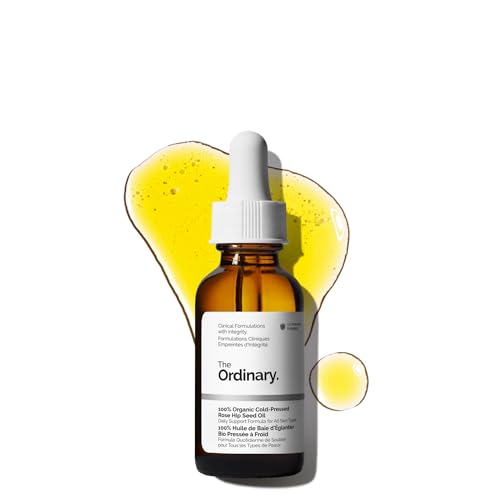
The Ordinary 100% Organic Cold-Pressed Rose Hip Seed Oil, 1 fl oz
Certified organic rosehip oil for under $15. The benchmark drugstore-tier face oil.
It smells noticeably fishy. Pure rosehip oil has a strong vegetal scent that some people find off-putting, and The Ordinary doesn’t mask it with fragrance. The bottle is also clear glass, which means you have to store it in a drawer or it oxidizes within a few months of opening.
5. Kiehl’s Midnight Recovery Concentrate
Kiehl’s Midnight Recovery has been sitting on bathroom counters for over a decade, which is the kind of staying power most face oils never get. The formula is a blend of squalane, evening primrose, and lavender essential oil, and the lavender is doing real work as a calming agent rather than a fragrance flourish. Beauty editors describe it as the oil that gets used up the fastest because the pump dispenser makes it easier to apply nightly than the dropper bottles its competitors come in.
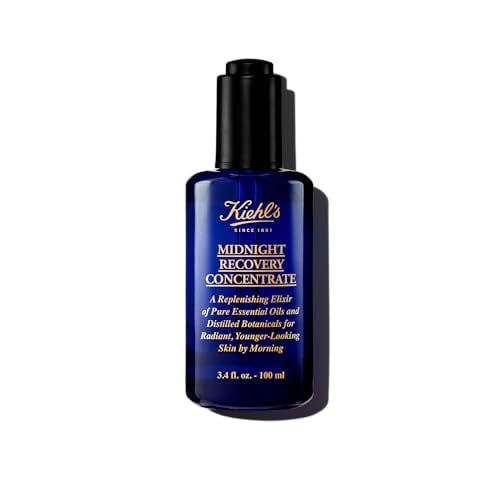
Kiehl’s Midnight Recovery Concentrate, 3.4 fl oz
Squalane, evening primrose, and lavender in a pump bottle. The most-emptied evening oil in beauty editor cabinets.
Lavender essential oil is the issue. It’s an excellent ingredient for most people, but a meaningful subset of skin reacts poorly to it (especially combined with sun exposure the next morning), and the scent is strong enough that anyone with sensitivity to perfume will smell it across the room. This is not the oil to try if you have a known fragrance allergy.
6. Vintner’s Daughter Active Botanical Serum
The most-discussed splurge oil on every cult-product list. Vintner’s Daughter is a $195 bottle that contains 22 botanicals (rose hip, jasmine, neroli, wild-harvested seabuckthorn, and others) processed through a slow extraction the brand calls Phyto-Radiance Infusion. The texture is dense and golden, and the application instructions are specific: twelve to fifteen drops, pressed and patted into damp skin, never rubbed. People who finish a bottle almost always buy it again, which is the kind of loyalty most cult products only claim.
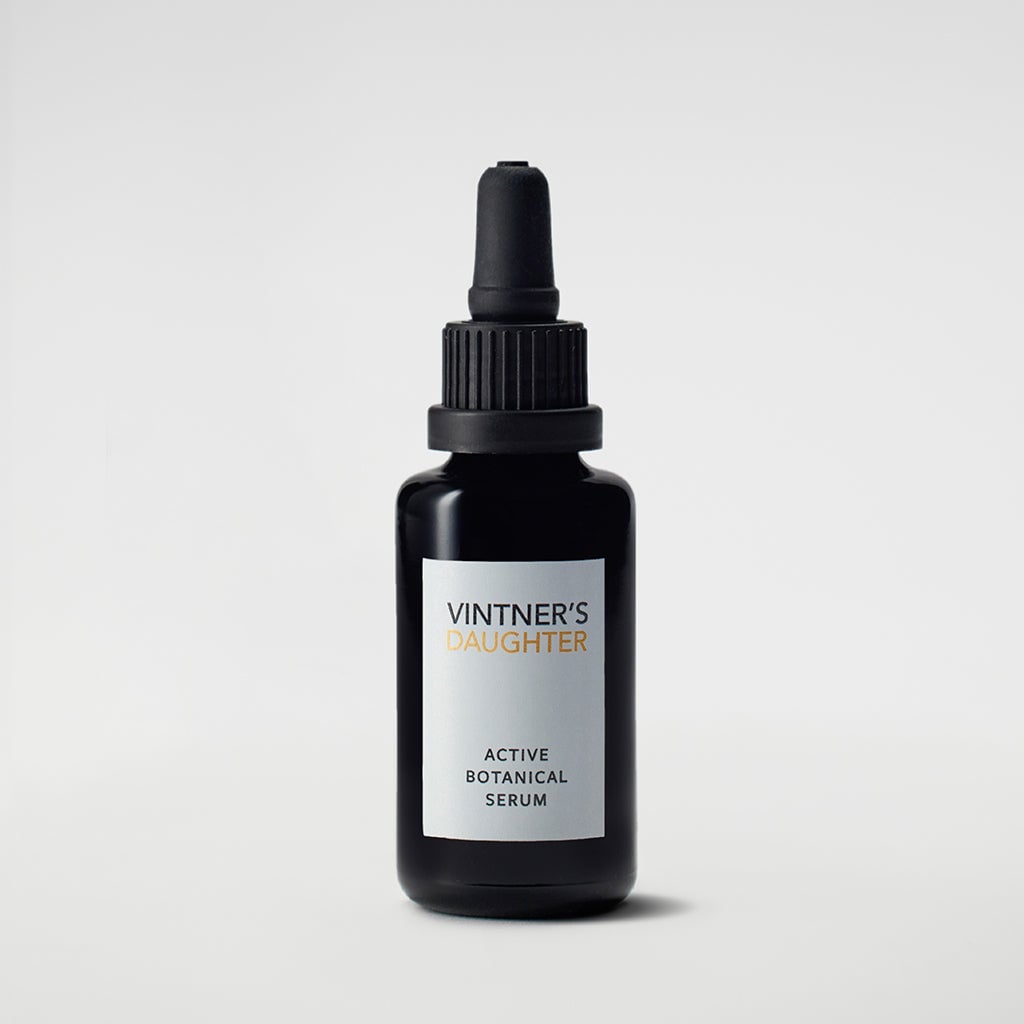
Vintner's Daughter Active Botanical Serum
22 botanicals in a slow-extraction formula. The cult splurge oil with one of the highest repurchase rates in the category.
It’s $215 for 30ml, and the marketing leans heavily on terms like “phyto-radiance” that don’t have a standardized clinical meaning. There’s no published independent trial on the finished formula, and the ingredient list overlaps with several premium botanical oils selling for half the price. The repurchase rate is real. Whether the formula is twice as good as the next-tier-down oils is a much harder claim to verify.
7. Herbivore Lapis Facial Oil
Herbivore made face oil work for the skin type that traditionally avoids it. Lapis pairs blue tansy (the same calming, bluish essential oil in Sunday Riley Luna) with kukui and jojoba, both lightweight oils that mimic the skin’s own sebum closely enough that they don’t trigger more breakouts. Acne-prone reviewers on Reddit consistently rank Lapis as the only face oil that didn’t make their skin worse, which is rare for the category.
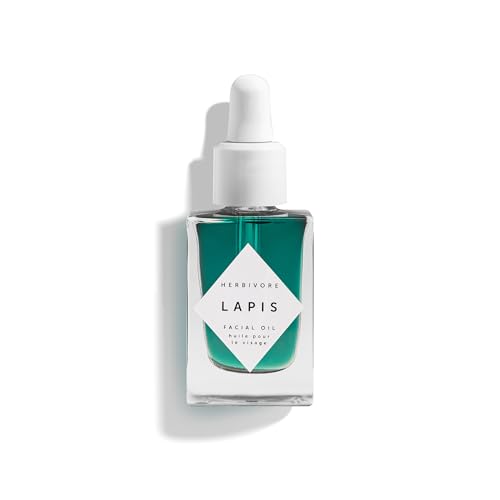
Herbivore Lapis Facial Oil, 30 mL
Blue tansy and kukui for blemish-prone skin. The rare face oil that doesn’t trigger breakouts on acne-prone faces.
Blue tansy makes some skin types more sensitive to sunlight, which means morning use can backfire under sun exposure. Herbivore recommends evening application only, and that recommendation matters. The smell is also distinctive (bordering on medicinal) and divides reviewers sharply, so smell it at the Sephora counter before committing.
8. Josie Maran 100% Pure Argan Oil
Josie Maran built her brand on this single bottle, and women have been finishing it (and refilling on QVC at three a.m. with the auto-ship) for almost twenty years. It’s pure cold-pressed argan oil from Moroccan cooperatives, with no fragrance, no extracts, and no preservatives. The reason it’s earned the staying power it has is that it works for face, body, hair, and cuticles equally well. Most people who buy it for one purpose end up using it for all four.
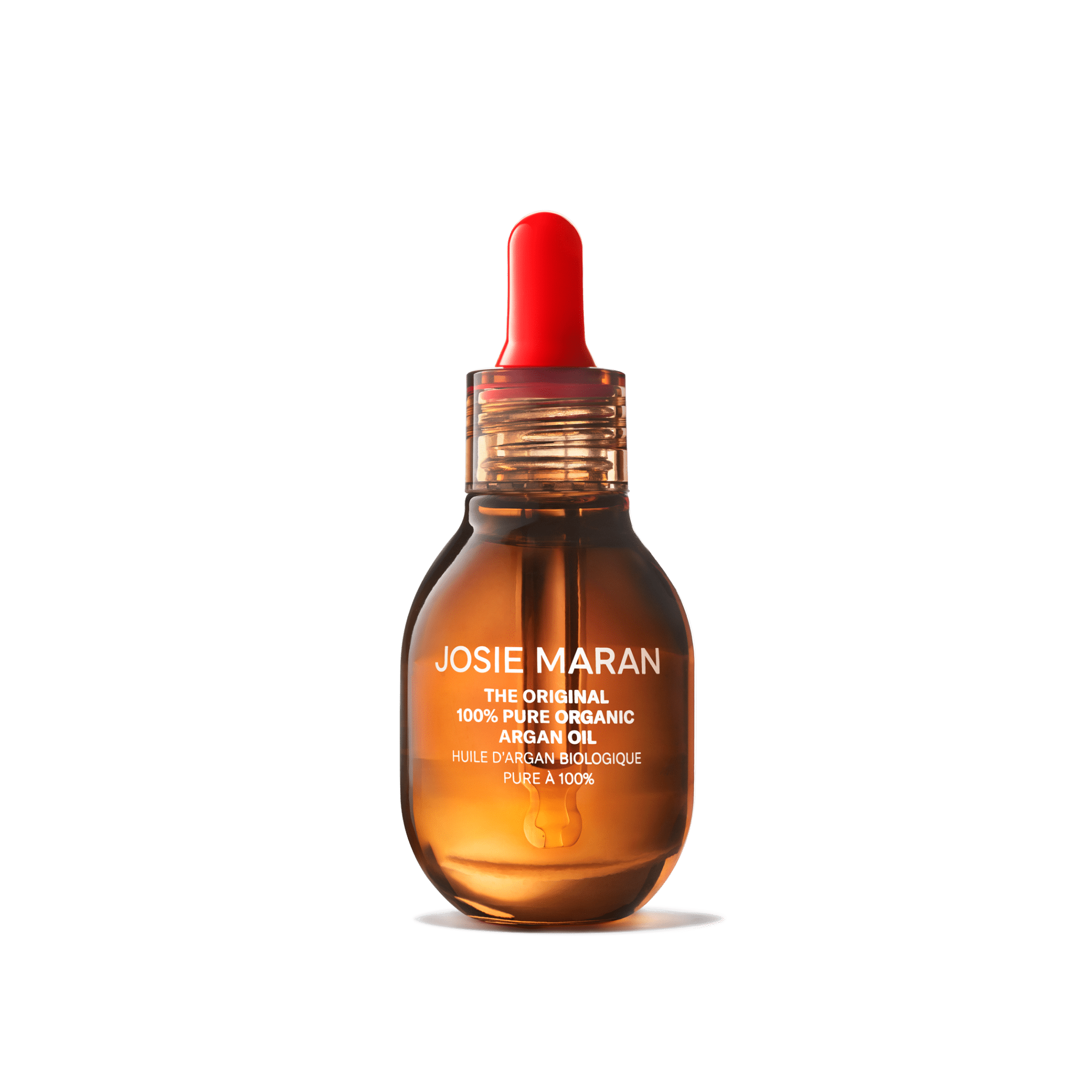
Josie Maran 100% Pure Argan Oil
Pure cold-pressed Moroccan argan oil. Twenty years of QVC repurchases say it works.
Argan oil isn’t the most active oil in the lineup. It’s a solid moisturizing oil that supports the skin’s natural barrier, but it doesn’t have the ingredient density of a Vintner’s Daughter or a Sunday Riley. If you want a treatment-grade oil, this isn’t it. If you want a multipurpose bottle that pulls weight in five rooms of your house, the Josie Maran is the cheapest version of that on the market.
9. Pai Rosehip BioRegenerate Oil
Pai is a British skincare brand built specifically for sensitive skin, and the Rosehip BioRegenerate is the formulation rosehip purists end up at after trying the cheaper versions. The brand uses CO2 extraction (a gentler process than cold-pressing) and includes both the rosehip seed AND fruit, which raises the trans-retinoic acid precursor content above what a seed-only oil delivers. People with rosacea, eczema-prone skin, or anyone who’s reacted to fragrance-heavy oils tend to do well on this one.
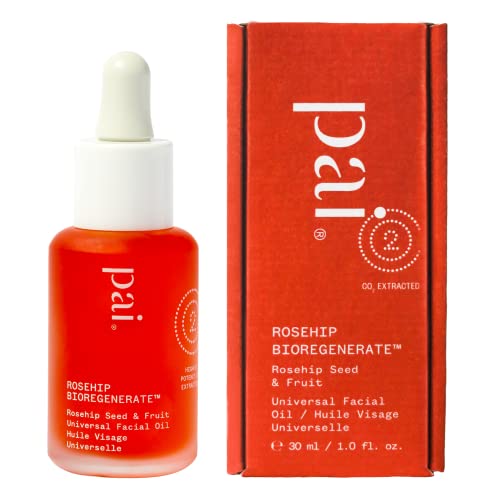
Pai Skincare Organic Rosehip BioRegenerate Universal Facial Oil, 30 mL
CO2-extracted rosehip seed and fruit oil. The sensitive-skin choice when The Ordinary version doesn’t work out.
It’s $44 for 30ml, which puts it well above The Ordinary’s rosehip oil despite being the same core ingredient. The CO2 extraction and the dual seed-and-fruit content are real differences in processing, but whether they’re worth triple the price comes down to whether your skin reacted to The Ordinary version first. If The Ordinary’s worked for you, the upgrade isn’t necessary.
10. Augustinus Bader The Face Oil
Augustinus Bader is the German biomedical scientist whose stem cell research turned into the most expensive everyday skincare brand on Sephora. The Face Oil contains TFC8 (the cellular nutrient complex Bader patented), suspended in a base of argan, rosehip, and almond oils. The clinical claim is that TFC8 supports the skin’s own repair process, and the brand has run trials backing the claim, though those trials are brand-funded. Beauty editors who get sent dozens of oils every year consistently keep this in their actual rotation, which is the truest signal in beauty press.
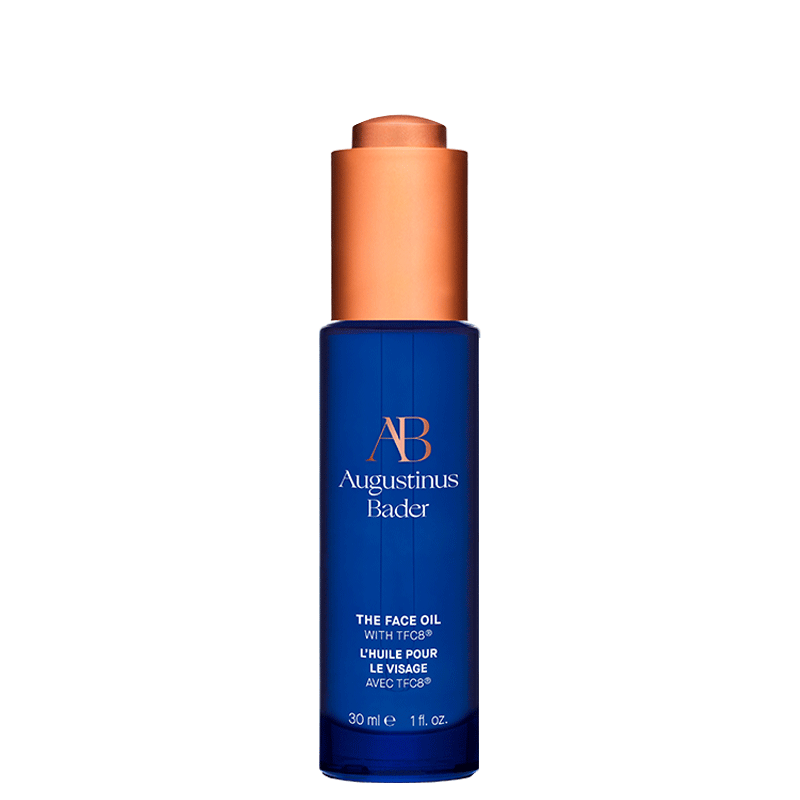
Augustinus Bader The Face Oil
TFC8 stem cell complex in argan and rosehip. The most editorially-loyal premium face oil at Sephora.
The clinical research backing TFC8 is brand-funded, and independent peer-reviewed support for the specific complex is thinner than the marketing suggests. If your budget allows for it, this is a serious oil and the people who buy it tend to keep buying it. If your budget doesn’t, the difference between this bottle and a $50 botanical oil isn’t dramatic enough to justify the gap for most skin types. (At time of writing, the brand sells the 30ml direct at a meaningfully lower price than Sephora carries it for, so it’s worth comparing both before you buy.)
How to Use Face Oil in Your Routine
Face oils work best as the last step of an evening routine, applied over a serum or moisturizer rather than under one. Oils are larger molecules than most active ingredients, so they sit on top of the skin’s outer barrier instead of sinking below it. That means a serum applied after an oil can’t get through the layer the oil just created. Used at the end of the routine, the oil seals in whatever you’ve already put on and lets the active ingredients underneath actually do their job.
Three to five drops is enough for the entire face. Press the drops in with your palms instead of rubbing them around, which wastes product and breaks the dropper-bottle precision. Give the oil a minute or two to absorb before layering anything else over it. If you wear makeup, oils can also work in the morning under foundation, though lighter options (squalane, marula) absorb better there than the denser botanical blends do.
Frequently Asked Questions
Can I use face oil if I have oily or acne-prone skin?
Yes, but the oil matters. Look for non-comedogenic options like squalane, jojoba, and marula, which closely match the skin’s own sebum and don’t trigger more oil production. Avoid coconut oil on the face entirely (it’s one of the highest-rated oils on the comedogenicity scale), and patch test before introducing essential-oil-heavy formulas like Sunday Riley Luna. The Herbivore Lapis on this list is the one most often recommended specifically for blemish-prone skin.
Where does face oil go in my skincare routine, before or after moisturizer?
After. Oils are the largest molecules in most routines and they should layer last (or second to last, before SPF in the morning). Putting an oil under a serum or moisturizer creates a barrier those products can’t get through, so they sit on top instead of doing their job. The exception is dry skin types in winter, who can mix one or two drops directly into a moisturizer for a richer texture.
Is face oil better in the morning or at night?
Most face oils belong in the evening routine because they layer cleanly under nothing else, and any retinoid-containing oils (like Sunday Riley Luna) require evening use anyway. Lightweight oils like squalane or marula can also work in the morning under SPF and foundation, especially in winter when skin is drier. Skip morning use for oils with citrus essential oils or blue tansy, since those can make skin more reactive to sunlight.
Do I need a different face oil in winter than in summer?
Most people don’t, but seasonal swaps make sense if your skin shifts noticeably. Heavier botanical blends (Vintner’s Daughter, Augustinus Bader) earn their keep when the air is dry and the heat is on. Lighter options (squalane, marula) feel better in humid summer months. The simpler version of the rule: stick with one good oil year-round, and adjust how many drops you use based on what your skin is doing that week.
Are expensive face oils actually better than drugstore ones?
Sometimes, but not as often as the price gap suggests. Premium oils like Vintner’s Daughter and Augustinus Bader genuinely contain rare extracts and patented complexes you won’t find in a $14 bottle. Drugstore-tier rosehip and squalane are nearly identical in quality to the same ingredients in $50 formulations, and pure single-ingredient oils (rosehip, marula, argan) are where you’ll save the most money without losing performance. The price-to-performance gap is widest in the $50 to $100 mid-tier, where formulas often charge premium prices for ingredients that aren’t dramatically better.
What Our BEEs Are Buzzing About
Here’s what dermatologists and the beauty community are saying about the face oils on this list:
Related Articles
- SkinCeuticals C E Ferulic: An Honest Review
- The Best Moisturizers for Crepey Skin, According to Dermatologists
- What Nobody Tells You About Expensive Moisturizers
- The Best Skincare Products for Women Over 50
- Drugstore Skincare Under $25 That Actually Works
The Last Drop
There’s something about face oils the marketing has never quite captured. Most people who finish their first good bottle reorder it before it’s even empty, then keep an oil in their routine for the rest of their lives. The bottles on this list are the ones with the deepest pile of finished bottles behind them, and the ones beauty editors keep on their actual bathroom counters instead of the ones brands send them for press shots. Pick one that suits your skin (or your splurge appetite), give it a full month, and watch how your skin looks the morning after.